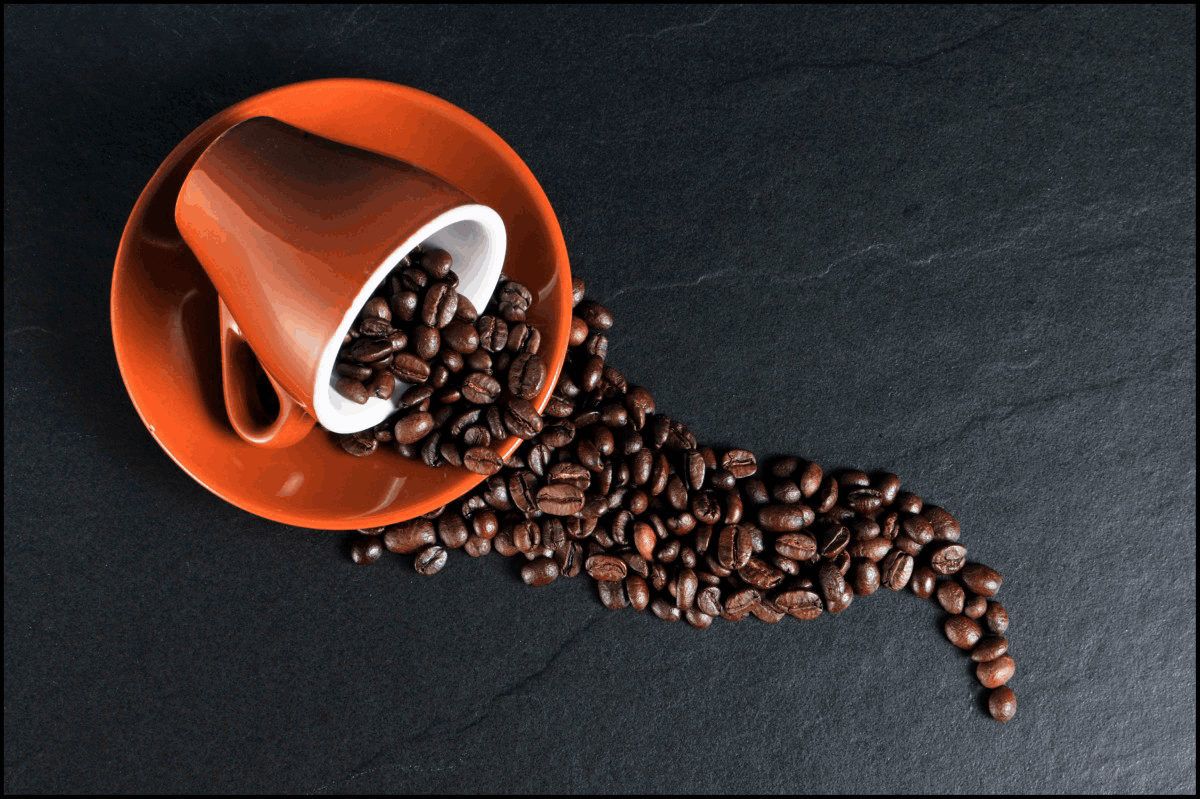
My First Encounter with the Magic of a Good Espresso Grinder
As a coffee enthusiast, I vividly remember the first time I realized how crucial a high-quality espresso grinder is. I had just purchased my first espresso machine, eager to brew barista-style coffee at home. However, my initial attempts fell flat — the flavor was dull, and the aroma lacked depth. It wasn’t until I invested in a decent burr grinder that everything changed. The difference was night and day, and I finally understood why so many coffee connoisseurs swear by freshly ground beans for that perfect shot.
Why Your Grinder Might Be the Unsung Hero of Coffee Flavor
Through my journey, I discovered that the grind size and consistency directly influence extraction quality. A good espresso grinder ensures uniform particles, which helps extract the rich flavors and oils from your beans—something I learned from the National Coffee Association. I used to think that the type of beans mattered most, but now I realize that even the best beans can’t reach their full potential without the right grind. That’s why I dedicated myself to understanding the essentials of espresso grinders, from burr types to grind settings.
How Do I Choose the Perfect Espresso Grinder for My Home Setup?
Choosing the right grinder can be overwhelming. I started by considering my budget and the frequency of my coffee making. I opted for a conical burr grinder, which offers excellent control over grind size and reduces heat during grinding—preserving those delicate aromas. After some research, I found that investing in a grinder with stepless adjustment allowed me to fine-tune my espresso shots effortlessly. If you’re like me and want to elevate your coffee game, I recommend reading Barista Hustle’s comprehensive guides on grinder selection.
What’s the Secret to Achieving Barista-Quality Espresso at Home?
It’s all about consistency—and that starts with your grinder. I discovered that pre-measuring beans, maintaining a clean grinder, and dialing in the right grind size made all the difference. Additionally, investing in a good quality espresso machine that complements your grinder can significantly improve your results. Remember, even the best grinder won’t perform miracles if other variables like tamping pressure and water temperature aren’t optimized. For more tips on brewing, check out Espresso Zone’s expert advice.
How Can I Master My Grinder Settings for Different Beans?
Adjusting grind size based on bean roast level and freshness is something I continually experiment with. Lighter roasts often require a slightly finer grind, while darker roasts can be coarser. I keep a small journal of my settings and results to refine my process. It’s a bit of trial and error, but the payoff is a richer, more flavorful espresso shot. If you’re curious about this process, I recommend reading more on Home Grounds, which offers detailed tutorials on grinder adjustments.
If you’ve enjoyed my insights or want to share your own experiences with espresso grinders, I’d love to hear from you in the comments! Remember, the journey to perfect coffee is ongoing, and every tweak brings you closer to that perfect shot.
Unveiling the Nuances of Grind Size and Their Impact on Flavor
Beyond choosing the right grinder, mastering the subtle art of grind size adjustment can dramatically influence your espresso’s profile. For instance, a grind that’s too fine can cause over-extraction, resulting in a bitter taste, whereas a coarser grind might under-extract, leaving your brew weak and sour. I learned this through meticulous experimentation, noting how slight changes in grind settings could transform the flavor dynamics of my coffee. This process is akin to tuning a musical instrument—precision and patience are key. For those eager to refine their skills, exploring resources like Home Grounds can provide invaluable tutorials and detailed guides on adjusting grind size for optimal extraction.
The Role of Bean Freshness and Roast Level in Grinding
Another layer of complexity involves understanding how bean freshness and roast profile influence your grind. Fresher beans tend to be more aromatic and flavorful, but they can also be more challenging to grind uniformly if not stored properly. Additionally, lighter roasts often require a finer grind to extract the nuanced flavors, while darker roasts may benefit from a slightly coarser setting to prevent bitterness. This interplay demands a keen eye and a willingness to adapt. I keep a coffee journal to track how different beans and settings interact, which has been instrumental in achieving consistent results. For more insights, the National Coffee Association offers excellent advice on balancing these variables to get the most from your beans.
How Can Advanced Grinder Features Elevate Your Espresso Game?
Investing in grinders with features like digital timers, programmable dosing, or stepless adjustments can elevate your brewing precision. For example, stepless grinders allow for infinitely variable grind settings, giving you the ability to fine-tune your espresso shot with remarkable accuracy. This level of control is essential when experimenting with different beans or trying to perfect your technique. Moreover, some grinders incorporate burrs designed to minimize heat generation, preserving delicate aromas. If you’re contemplating an upgrade, exploring Barista Hustle’s expert reviews can guide you toward models that blend reliability with advanced features. Remember, the right grinder is an investment that pays dividends in flavor and consistency, especially when paired with a good espresso machine.
What Are the Practical Steps to Calibration and Maintenance for Consistent Grinding?
Calibration and upkeep are often overlooked but are vital for sustained performance. Regularly cleaning your grinder to remove residual oils and coffee grounds prevents clogs and ensures uniform grinding. Calibration involves verifying that your grind settings correspond accurately to the desired particle size, which can drift over time due to wear. Using a calibration tool or comparing grind size against a reference can help maintain precision. I recommend establishing a routine, such as monthly cleanings and calibration checks, to keep your grinder in top shape. For detailed procedures, consult resources like Espresso Zone’s expert tips. Proper maintenance not only prolongs your equipment’s lifespan but also guarantees that each shot meets your flavor expectations.
If you’ve enjoyed diving deeper into the intricacies of espresso grinding or have your own tips to share, please leave a comment below. Your insights could help fellow enthusiasts elevate their brewing craft, turning everyday coffee into a true art form.
Beyond the Basics: The Art of Dialing in Your Grinder for Different Beans
One of the most rewarding yet challenging aspects of espresso making is adjusting your grinder to suit different beans. As I delved deeper into my coffee journey, I realized that even the slightest variation in bean origin, roast level, or freshness demands a nuanced approach to grinding. For example, when I switched from my favorite medium roast Ethiopian beans to a dark French roast, I had to slightly coarsen my grind to prevent over-extraction and bitterness. This experimentation taught me that consistency in grind size isn’t static but a dynamic process rooted in understanding how each batch behaves.
Why Do Some Grinders Overheat and How Can I Prevent It?
Overheating during grinding is something I initially overlooked, only to learn its detrimental impact on flavor. Burrs generate heat when grinding, and excessive heat can cause the beans’ volatile oils to evaporate prematurely, resulting in flat or dull coffee. I found that using a conical burr grinder with good heat dissipation features significantly mitigates this issue. Additionally, grinding in shorter bursts and avoiding continuous operation for extended periods helps maintain the integrity of the beans’ aromatics. The importance of such details became clear when I noticed my espresso’s aroma fading after prolonged grinding sessions. For a more technical understanding, I recommend exploring Barista Hustle’s insights on heat management in grinders.
How Do I Balance Grind Setting Precision with Ease of Use?
While stepless grinders offer unmatched precision, I also value user-friendly features that make everyday brewing less finicky. Striking this balance can be tricky, but I found that choosing a grinder with clearly marked grind ranges and tactile feedback helps me make quick adjustments without fussing over tiny increments. For instance, I keep a mental map of my usual settings for different beans and roast levels, which speeds up my process. This personal calibration not only saves time but also deepens my understanding of how subtle changes influence flavor. If you’re interested in upgrading your setup, checking out Home Grounds for reviews on user-friendly yet precise grinders can be invaluable.
What Is the Impact of Grind Size on Brewing Variables Beyond Espresso?
Expanding my perspective beyond espresso, I realized that grind size profoundly affects other brewing methods—like AeroPress, pour-over, or French press. Each technique benefits from a different grind consistency, which influences extraction time and flavor clarity. For example, a medium-coarse grind works best for AeroPress, balancing extraction speed with flavor richness. In contrast, a coarse grind suits French press, avoiding over-extraction and sediment. Navigating these differences has made me more adaptable in my brewing, turning each session into a learning experience. For more detailed comparisons, I often turn to resources like Home Grounds to refine my understanding of grind size in various contexts.
If you’ve experimented with different beans and grind settings, I’d love to hear your stories and insights. Sharing our experiences helps us all enjoy a richer, more nuanced coffee journey—because mastering the grind is truly an ongoing adventure.
Refining Your Technique with Advanced Grinder Calibration
Mastering your grinder’s calibration is akin to fine-tuning a musical instrument—precision is paramount. Over the years, I have developed a meticulous routine that involves using calibration tools such as a digital particle size analyzer to ensure that my grind consistency remains impeccable. Regularly verifying the particle size against a reference chart helps me detect subtle shifts due to burr wear or environmental factors. This proactive approach prevents flavor inconsistencies and maintains extraction quality. I also incorporate a calibration schedule, typically every 3 to 6 months, depending on usage intensity. For those interested in elevating their calibration game, the detailed procedures outlined in Espresso Zone’s calibration guides have been invaluable in my journey.
Harnessing the Power of Advanced Grinder Features for Flavor Precision
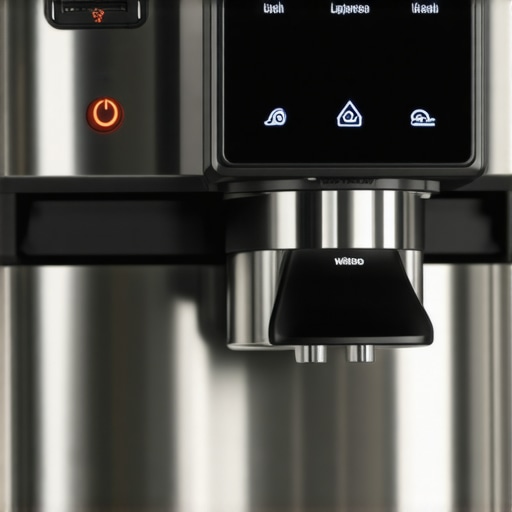
Investing in grinders equipped with advanced features such as micro-stepped adjustments, digital display, and programmable dosing has revolutionized my brewing precision. For example, stepless adjustment mechanisms allow me to dial in the perfect grind size with sub-micron accuracy, which is crucial when experimenting with different beans or roast profiles. Additionally, grinders with digital timers enable consistent dosing, eliminating variability caused by manual measurement. These features are not just luxury additions; they are essential for achieving a level of control that matches professional barista standards. A comprehensive review of high-end grinders with such capabilities can be found at Barista Hustle. Pairing these tools with my espresso machine has significantly enhanced my ability to extract complex flavor profiles and aromatic nuances.
Integrating External Resources for Continued Mastery
To deepen my understanding of grinder technology and maintenance, I frequently consult authoritative resources like the National Coffee Association. Their detailed insights into the science of grinding and extraction have helped me troubleshoot issues like uneven grind distribution or heat buildup. Engaging with these expert sources fosters a more analytical approach to my brewing process, transforming it from an art into a precise science. I encourage fellow enthusiasts to explore these materials, experiment with their equipment, and document their findings—each adjustment brings you closer to mastering your personal espresso craft.
Things I Wish I Knew Earlier (or You Might Find Surprising)
The Hidden Impact of Grind Consistency
One thing I wish I had understood sooner is how vital grind consistency truly is. In my early days, I often skipped calibrating my grinder, leading to uneven extraction and disappointing flavors. Once I started paying attention to uniform particle size, my espresso shots became more balanced and flavorful, proving that precision in grinding can make all the difference.
Overheating Isn’t Just a Minor Issue
Initially, I thought that occasional overheating during grinding was just a minor inconvenience, but I learned it can significantly diminish the beans’ aromatic oils. Using a grinder with good heat dissipation and grinding in shorter bursts has preserved more of those delicate flavors, elevating my coffee experience dramatically.
Bean Freshness Matters More Than I Thought
While I always prioritized quality beans, I didn’t realize how much their freshness influences grind quality and flavor extraction. Fresher beans tend to be more aromatic but also require a slightly different grind setting. Adjusting my approach based on bean freshness has helped me brew more vibrant espresso.
The Sweet Spot Isn’t Static
Finding the perfect grind for your espresso isn’t a one-time task; it’s an ongoing process. I keep a small journal of my settings and results, which helps me adapt to different beans and roasts. This continuous tweaking has led to consistently better shots and a deeper understanding of my equipment.
Advanced Features Are Worth the Investment
Upgrading to a grinder with digital timers, stepless adjustments, and programmable dosing has transformed my brewing routine. These features provide the control needed for precision and consistency, making it easier to experiment and perfect my espresso shots without frustration.
Resources I’ve Come to Trust Over Time
- Barista Hustle: Their comprehensive guides on grinder selection and calibration have been invaluable for understanding the nuances of espresso grinding. I often recommend their site to fellow coffee enthusiasts looking to upgrade their setup.
- Home Grounds: This site offers detailed tutorials and comparisons that have helped me refine my technique, especially when experimenting with grind adjustments for different beans and brewing methods.
- National Coffee Association: Their research-based resources provide trustworthy information on coffee science, including the effects of grind size and heat management, which have deepened my appreciation for the craft.
Parting Thoughts from My Perspective
Choosing the right espresso grinder is truly about understanding how each component and setting influences the final flavor. The journey of refining your grind, maintaining your equipment, and experimenting with different beans is ongoing but incredibly rewarding. From my experience, investing in quality tools and staying curious has elevated my coffee game beyond what I imagined. If this resonates with you, I’d love to hear your thoughts or stories about your own grinder adventures. Remember, every small tweak brings you closer to that perfect shot—enjoy the process, and happy brewing!