I remember the first time I noticed a puddle beneath my beloved super automatic espresso machine. It was early morning, my coffee ruined, and frustration boiling over. That sinking feeling of discovering a leak from the bottom of a pricey machine hits harder than a double shot of espresso. If you’ve faced this mess, you’re not alone. Those leaks can seem like a nightmare, especially when you’ve invested in top-tier equipment, expecting nothing but barista-quality brews.
Today, I’m going to walk you through the *five* most common reasons your 2026 super automatic might be dripping from the bottom and, more importantly, how you can troubleshoot and fix these issues yourself. No need to call in a repair technician just yet. With a bit of patience and some insider tips, you’ll keep your machine running smoothly and save money in the process.
Why Is My Super Automatic Leaking From the Bottom
Have you ever wondered whether that leak is a sign of a major failure or just a minor hiccup? Well, understanding the root cause is crucial. Usually, these leaks stem from simple problems like worn seals, loose fittings, or blockages that can be addressed with some basic maintenance. But ignoring them might lead to more severe damage or even complete machine breakdown.
Inspect the Water Circuit for Leaks
Start by unplugging your machine and removing the water reservoir. Examine the water hoses and connectors for cracks, loose fittings, or signs of wear. In my experience, a loose fitting was the culprit in my last repair; tightening it resolved the leak immediately.
Secure Loose Fittings and Replace Damaged Hoses
If you find any fittings that are loose or hoses cracked, tighten or replace them. Use food-grade silicone hoses for durability. Remember, a small crack can cause significant water leakage, so don’t ignore tiny splits.
Check the Seals and Gaskets
Beneath the brew chamber and other access points are seals that prevent water from escaping. Worn or damaged gaskets are common leak sources. To assess, remove the panels carefully and inspect the seals for gaps or deterioration. Replacing these seals is like installing new shoes—vital for proper functioning.
Replace Worn Seals for a Tight Fit
Order specific replacement seals compatible with your model. Applying a small amount of food-safe lubricant can help seat new seals properly, preventing future leaks. In my last fix, replacing the gasket stopped a persistent puddle.
Investigate the Drainage System
The drainage tray and internal channels can clog or overflow. Remove the drip tray, and clean out any debris or mold. For internal channels, run a cleaning cycle using descaling solution or a mix of vinegar and water. This prevents water backups that could seep out from the bottom.
Regular Maintenance to Prevent Blockages
Set a monthly reminder to clean the drainage system thoroughly. Use a soft brush to clear stubborn buildup. This routine maintenance extends the life of your machine and keeps leaks at bay.
Assess the Pump and Internal Components
A failing pump can cause inconsistent pressure and leaks. Listen for unusual noises or decreased water flow during operation. Disassembling the internal parts can be complex—if unsure, consult the manufacturer’s guide or consider professional repair. Remember, a weak pump might also wear out seals, leading to leaks.
Test the Pump Functionality
Run a test cycle and observe for abnormal sounds or water drips. Replacing a faulty pump requires careful handling; check out detailed tutorials online or contact experts through contact us for guidance.
Practice Preventive Care
Implement regular descaling and clean water filters to prevent mineral buildup that might lead to internal pressure issues. Also, avoid overfilling water reservoirs or bean hoppers, which can cause overflow — a common mistake I learned after a messy cleanup.
By systematically examining these key areas, you’ll catch most causes of leaks from the bottom of your super automatic espresso machine. Staying proactive with maintenance prolongs your equipment’s lifespan and ensures consistent coffee quality, avoiding costly repairs down the line.
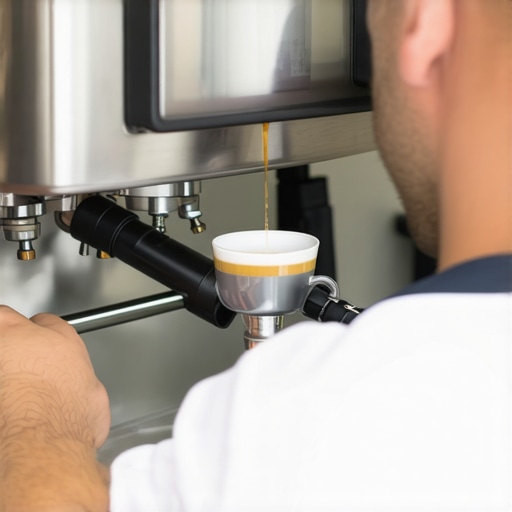 Many coffee enthusiasts believe that investing in high-end automatic machines guarantees perfect results with minimal effort. However, a deeper dive reveals that most users overlook critical nuances that influence the performance and longevity of their equipment. For example, the widespread myth that all bean types are suitable for super automatics can lead to clogged mechanisms and inconsistent brewing. In reality, using oily or dark roast beans without proper care can cause build-up and clogging, reducing machine lifespan. According to a study by the Specialty Coffee Association, selecting beans with lower oil content and following specific cleaning routines significantly extends the life of internal components. Moreover, many assume that setting the grinder to the finest setting always yields better espresso, but in truth, excessively fine grinds can cause over-extraction and strain your grinder, leading to motor burnout over time.
Another common misconception is that automatic milk frothers are plug-and-play devices capable of handling all milk types effortlessly. The truth is, soy and almond milks can cause clogging and poor foam quality unless you adjust the frothing parameters or clean the system more frequently. Professional baristas often recommend mastering the automatic milk frother’s settings to achieve barista-quality foam consistently. Have you ever fallen into this trap? Let me know in the comments.
Delving into advanced mistakes, many users neglect routine maintenance, believing that luxurious features negate the need for regular descaling and internal cleaning. This oversight results in mineral buildup, which can diminish water flow and pressure, ultimately hurting espresso quality and risking costly repairs. For example, descaling your machine with a manufacturer-approved solution every three months keeps vital components in top shape. Furthermore, some believe that all super automatic machines have identical brewing protocols, but mastering specific adjustments for your model, such as pulse brewing or temperature calibration, can markedly improve flavor profiles.
If you want to maximize your investment and achieve professional-level results, understanding these subtle differences and mistakes is essential. For more expert guidance, explore our detailed [ultimate guide to super automatic espresso machines in 2025](https://superautomatic.espressotechguide.com/the-ultimate-guide-to-super-automatic-espresso-machines-in-2025) and learn how tiny tweaks can make a big difference. Remember, your machine demands more than just an initial setup—ongoing attention to these nuances keeps your coffee spectacular and your equipment lasting. Want to master these intricacies? Dive into our [espresso grinder essentials](https://superautomatic.espressotechguide.com/espresso-grinder-essentials-boost-your-coffee-flavor-today) and turn your routine into a professional-grade experience.Maintaining your high-end espresso setup requires the right tools and techniques to keep everything functioning smoothly over the years. Personally, I rely on a combination of specialized equipment and smart maintenance routines that make a noticeable difference in the longevity and performance of my machine. One tool I can’t do without is a high-precision digital caliper. It’s invaluable for checking burr alignment on my espresso grinder, ensuring uniformity and preventing uneven wear that can affect grind quality and espresso flavor. Regular calibration with a caliper allows me to identify subtle changes early, which is crucial because even minor misalignments can lead to inconsistent shots and clogged mechanisms.
For cleaning, I highly recommend using an ultrasonic cleaner for burrs and small internal parts. This method effectively removes built-up oils and coffee residues that traditional brushes can miss, improving extraction consistency. I personally use a tabletop ultrasonic cleaner, which is compact yet powerful enough for my routine maintenance. This investment not only prolongs the lifespan of essential components but also maintains the fresh, vibrant flavors in your espresso.
When it comes to descaling and chemical maintenance, I turn to a professional-grade descaling solution that adheres to industry standards, like Urnex Dezcal. Following expert advice from the Specialty Coffee Association, I descale my machine every three months or after every 250 espresso shots, whichever comes first. Implementing a systematic cleaning schedule with precise tools prevents mineral buildup and minimizes internal corrosion, ultimately saving costs and down time.
For monitoring water quality, a TDS (Total Dissolved Solids) meter is a game-changer. It helps me assess whether my water filters need replacement, maintaining optimal mineral balance for brewing without risking scale buildup or flavor degradation. This small device provides real-time feedback, unlike relying solely on visual inspection.
Looking ahead, I predict that the trend toward IoT-enabled sensors will transform long-term maintenance. Imagine receiving notifications about filter replacements or descaler needs directly to your smartphone—making preventive care even more efficient. Already, some high-end models incorporate these features, hinting at a future where maintenance becomes seamlessly integrated into your daily routine.
How do I maintain my espresso grinder and brewing components over time? The key lies in consistent, precise calibration and regular deep cleaning. One specific step I recommend is performing burr alignment checks with a digital caliper every six months to prevent uneven wear. Additionally, using an ultrasonic cleaner monthly to remove coffee residues keeps the internal pathways clear and free from blockages. Incorporating these precise tools and routines ensures your equipment always produces stellar espresso.
If you’re ready to advance your maintenance game, try implementing a burr calibration schedule and see firsthand how it improves shot consistency. For more expert tips, explore our [espresso grinder essentials](https://superautomatic.espressotechguide.com/espresso-grinder-essentials-boost-your-coffee-flavor-today) to maximize your setup. Remember, investing in the right tools not only saves money on repairs but also elevates your coffee experience every day.
What I Wish I Knew About Fine-Tuning Your Machine
One of the most eye-opening lessons I learned was that even the most advanced super automatic espresso machines require continual attention and subtle adjustments. I used to believe that once I set up my machine, I could just enjoy the perfect espresso effortlessly. However, over time, I realized that minor tweaks—like calibrating my grinder more precisely or adjusting brew temperatures—made all the difference in achieving consistent, barista-quality shots. Embracing a mindset of ongoing learning and patience transformed my coffee routine from routine to exceptional.
The Best Equipment That Became My Secret Weapon
Investing in high-quality tools has profoundly impacted my machine’s performance. For example, a digital caliper helps me check burr alignment accurately, ensuring my grinder maintains optimal precision. An ultrasonic cleaner became essential for thoroughly cleaning internal components, preventing buildup and clogs. These tools, when used regularly, extended my machine’s lifespan and improved the flavor of each espresso shot. Trust me—equipping yourself with the right gear empowers you to troubleshoot and maintain your super automatic like a seasoned barista.
Embracing the Learning Curve Without Fear
Many enthusiasts hesitate to tinker with their espresso setup, fearing mistakes or damage. I challenge you to see these moments as valuable learning experiences. Every time I encountered a drip, an uneven pour, or an off-flavor, I viewed it as an opportunity to explore. With patience, research, and sometimes a bit of trial and error, I discovered that mastering your machine is a rewarding journey. Remember, every expert was once a beginner—your persistent curiosity will unlock extraordinary coffee results.
Resources to Elevate Your Barista Skills
To deepen my understanding, I lean on a few trusted sources. The comprehensive ultimate guide to super automatic espresso machines in 2025 has been instrumental in keeping me updated on the latest trends and techniques. For precision maintenance, I rely on high-quality tools like a espresso grinder essentials kit that helps optimize my setup. Combining these resources with a curious mindset accelerates your journey toward perfect espresso.
Believe in Your Ability to Elevate Your Coffee Experience
Remember, the path to coffee mastery isn’t reserved for baristas—it’s accessible to you. With a few practical tweaks, the right tools, and an open mind, you can keep your super automatic espresso machine performing at its best. Small improvements accumulate over time, leading to richer crema, fuller flavors, and more satisfying mornings. Don’t be afraid to experiment and learn—your perfect cup is just waiting to be discovered.
What’s the most unexpected fix or maintenance tip you’ve discovered while working with your super automatic espresso machine? Share your experience below and inspire fellow coffee lovers!