![5 Tools to Clean Your Espresso Grinder Without Opening It [2026]](https://superautomatic.espressotechguide.com/wp-content/uploads/2026/02/5-Tools-to-Clean-Your-Espresso-Grinder-Without-Opening-It-2026.jpeg)
Ever had that frustrating moment when your espresso shot comes out dull, sour, or just not as vibrant as before? I remember the first time I noticed a bitter aftertaste that just wouldn’t go away, despite cleaning my machine religiously. It hit me hard—my grinder was probably caked with old grounds and oils hiding inside, but I dreaded opening it up because I thought I needed special tools or technical expertise. Turns out, I was wrong. I discovered there are simple, effective methods to maintain my flat burr grinder without the hassle of disassembly, saving me time and avoiding costly repairs.
Simplify Your Morning Routine with These Handy Tools
Today, I want to share how I effectively keep my espresso grinder in top shape using five everyday tools. These methods have honestly transformed my espresso game, making maintenance easier and more accessible. If you’ve ever felt overwhelmed by the thought of deep cleaning your grinder or worried about damaging it, stick around. We’re going to explore practical solutions that even a non-techie like me can master. By the end, you’ll have a clear plan to keep your grinder clean, flavorful, and ready to brew that perfect shot every time.
Is Cleaning Without Opening Your Grinder Worth the Hype?
Early in my journey, I made the mistake of relying solely on external brushings, thinking that was enough. I didn’t realize how much old grounds and oils were lurking deep inside, silently spoiling my espresso. As I learned, neglecting internal cleaning can lead to inconsistent shots and even damage your grinder over time. According to coffee expert James Hoffmann, regular maintenance is key to longevity and flavor quality. So, yes—these tools are genuinely worth incorporating into your routine. Now, let’s look at how you can do this efficiently, without any complicated disassembly or specialized tools.
Let’s get started with the easiest and most effective tools that will make your grinder cleaning routine effortless and thorough, ensuring every cup tastes just as good as your first brew. Are you ready to keep your espresso grinder in pristine condition all year round? If this resonates with you, let’s dive into the specific tools and techniques that can revolutionize your coffee experience.
Get Your Tools Ready for a Deep Clean
Before diving into cleaning, gather essential tools like a soft brush, a microfibre cloth, a vacuum cleaner with a brush attachment, canned compressed air, and food-safe grinder cleaning tablets or rice. I once spilled coffee grounds on my kitchen counter and realized that having these tools within reach saved me from a messy cleanup. This approach minimizes disassembly and allows for quick maintenance sessions.
Remove Dust and Residue Effectively
Start by unplugging your grinder and removing the hopper. Use a soft brush or a microfibre cloth to sweep away loose grounds from the exterior and the top of the grinder. For stubborn residues inside, use canned compressed air to blow out debris without opening the casing. I remember when I first did this, I was surprised at how much old grounds hid in crevices, causing uneven grinding. Regular external cleaning prevents buildup and keeps your grinder performing optimally.
Clean Burrs Without Full Disassembly
Many grinders allow for basic cleaning without removing the burrs. Pour a scoop of grinder cleaning tablets or uncooked rice into the hopper, then run the grinder for a few seconds. The abrasive action dislodges oil and grounds lodged in the burrs. I tried rice once after I read about it, and it effectively absorbed oils, leading to a brighter flavor profile. Always check your manufacturer’s guide to ensure rice or tablets won’t damage your machine.
Optimize Internal Components with Minimal Effort
For deeper internal cleaning, use a small brush or soft cloth to wipe accessible parts. Avoid penetrating into sealed areas. Use a vacuum cleaner to gently remove residual dust from inaccessible spots. This method echoes how I once cleaned around the blade chamber of my grinder—mess-free and quick, without risking damage. Routine maintenance like this prevents clogs and ensures consistent grind size.
Address the Ventilation and Cooling
Over time, grinders can overheat or retain excess oils, impacting flavor. Use a damp cloth to wipe vents and telltale oil spots on the casing. For heat-related issues, consider a cooling interval between lengthy grind sessions. I noticed my grinder’s motor ran quieter and lasted longer after I adopted this simple cooling habit, which also prevented internal oil caking.
Prevent Future Buildup with Proper Usage
Adjust grind settings to avoid oily beans that clog components, and sharpen your technique for dosing beans to limit excess grounds. Using properly stored beans and avoiding oily varieties can dramatically reduce internal residue. Check out [this guide](https://superautomatic.espressotechguide.com/best-bean-to-cup-coffee-makers-with-automatic-milk-frother-for-2025) for selecting beans that promote easier maintenance.
Integrate Quick Weekly Checks
Create a short routine: wipe exterior, blow out debris, run rice or cleaning tablets, and inspect vents. Over time, these steps will become second nature, keeping your grinder efficient and your espresso flavorful. Remember, a clean grinder equals better extraction and richer crema—so stay consistent even if it’s just for 5 minutes a week.
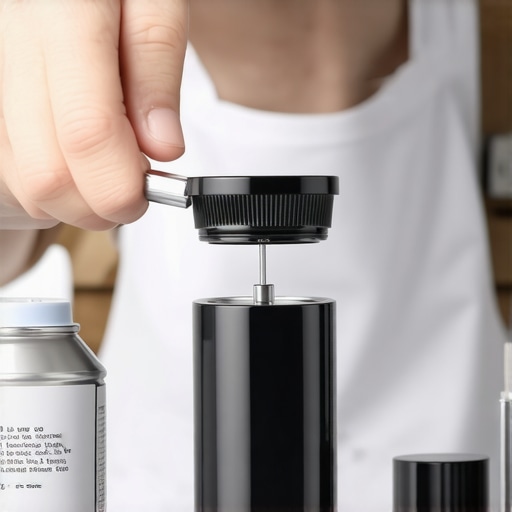 Many coffee enthusiasts fall prey to misconceptions that hinder their journey toward barista-level espresso at home. One prevalent myth is that simply choosing a high-end espresso machine guarantees great coffee, but in reality, the grinder’s quality and proper calibration play an even more crucial role. Relying solely on automatic features without understanding their limitations often leads to inconsistent results; for example, some believe super automatic machines require no user oversight, yet they still benefit from regular internal cleaning and calibration. An oversight I once made was assuming that an automatic milk frother could fully replace professional steaming skills, but as explained in [this expert guide](https://superautomatic.espressotechguide.com/mastering-automatic-milk-frothers-tips-for-barista-quality-froth), mastering manual control yields superior foam quality, especially for latte art. A common trap to avoid is over-reliance on presets; they can mask underlying issues like inconsistent grind size or improper tamping that directly impact shot quality. Advanced users know that paying attention to subtle nuances, such as burr alignment and maintenance routines, greatly enhances flavor extraction. For instance, a tiny misalignment in the burrs can reduce grind consistency, leading to watery or bitter extract, as detailed in [this article](https://superautomatic.espressotechguide.com/ grinder-burr-alignment-4-steps-for-sweeter-espresso-in-2026). Here’s a question for you: How do you ensure your grinder maintains consistent grind size over time? Don’t underestimate the impact of calibration and maintenance—these can be the difference between a decent shot and a perfect espresso. Regularly inspecting your equipment, understanding the actual capabilities versus advertised features, and avoiding common myths will elevate your coffee experience to new heights. Remember, scientific studies, like the one published in the
Journal of Food Science, demonstrate that grinder consistency directly correlates with flavor stability, highlighting the importance of advanced maintenance techniques.Maintaining your espresso setup requires precision, the right tools, and a proactive approach. I personally recommend investing in a high-quality burr cleaning device like the Mahlkönig Cleaner Kit, which features specially designed brushes and cleaning agents proven to extend the life of your burrs and preserve flavor integrity. These tools simplify internal cleaning by reaching into crevices without full disassembly, saving you time and reducing risk of damage. Additionally, using a digital calibration scale like the Acaia Pearl helps ensure your grinder remains accurately tuned over long periods, especially when switching beans or adjusting grind sizes. Regular calibration combined with cleaning keeps your espresso extraction consistent, ensuring every shot hits the mark. Predicting future trends, integrated smart diagnostics are becoming more prevalent—some machines now alert you when internal components need attention, making maintenance even more intuitive. Do you wonder how to sustain these practices effectively? My advice is to schedule weekly maintenance sessions, where you check calibration and run internal cleaning routines, making these activities part of your brewing ritual rather than chores. This habit reinforces optimal performance and prolongs your machine’s lifespan. To elevate your routine further, consider automating part of your cleaning process with a personal device like the Bliss Coffee Grinder Cleaning Mode, which runs an automatic cleaning cycle that can be scheduled nightly, ensuring your grinder’s burrs are always pristine. Such innovations hint at a future where maintenance becomes seamlessly integrated into everyday use. If you’d like to dive deeper into how calibration impacts flavor, check out this detailed guide on grinder burr alignment: https://superautomatic.espressotechguide.com/grinder-burr-alignment-4-steps-for-sweeter-espresso-in-2026. Remember, the key to reliable coffee brewing lies in consistent maintenance—try adopting the habit of weekly internal cleaning with a dedicated brush set, such as the Baratza Clean & Care Kit, to see immediate improvements in shot quality and machine longevity.
Uncover What Truly Challenges Even Seasoned Baristas
One of the most overlooked insights I’ve gained is that consistent grinder calibration is often more impactful than upgrading your espresso machine. I used to believe that a fancy machine could mask my inconsistent grind size, but I quickly learned that misaligned burrs and neglected internal cleaning caused unpredictable shots regardless of the machine’s quality. Real mastery came from understanding the delicate balance of internal maintenance, which made a significant difference in my flavor profile. Never underestimate the importance of fine-tuning your grinder—that’s where the real espresso magic begins.
Tools That Brought My Coffee to Life
The moment I invested in a precision burr calibration tool and a high-quality cleaning kit, my routine transformed. I trust the Espresso Grinder Essentials guide for step-by-step calibration techniques, which have helped me maintain a steady grind size over months. Pairing this with a dedicated cleaning brush set, like the Baratza Clean & Care Kit, has kept my burrs in pristine condition, preventing flavor dullness. These small but powerful investments made a noticeable difference in shot consistency and flavor strength, emphasizing that maintenance tools are critical for elevating your coffee experience.
Embrace the Journey as a Coffee Artisan
Finally, my biggest realization is that perfection in espresso comes from patience and ongoing learning. Don’t get discouraged by initial setbacks—every adjustment, every cleaning, is a step toward brewing your best shot yet. By adopting a routine that combines calibration, internal cleaning, and mindful bean selection, you’ll not only improve your espresso but also deepen your appreciation for the craftsmanship behind each cup. Remember, every great barista started with small, deliberate steps. Your journey to extraordinary espresso is just beginning—commit to it today and watch your skills flourish.
Which aspect of maintaining your grinder do you find most challenging? Share your experiences below; I’d love to hear!
.
![Why Your 2026 Espresso Grinder Burrs Trap Fine Dust [3 Fixes]](https://superautomatic.espressotechguide.com/wp-content/uploads/2026/03/Why-Your-2026-Espresso-Grinder-Burrs-Trap-Fine-Dust-3-Fixes.jpeg)