![Stop Oily Beans From Clogging Your Bean to Cup Machine [2026]](https://superautomatic.espressotechguide.com/wp-content/uploads/2026/01/Stop-Oily-Beans-From-Clogging-Your-Bean-to-Cup-Machine-2026.jpeg)
It was a morning just like any other when I finally snapped. My prized bean to cup machine sputtered and slowed, struggling to dispense my favorite espresso. Turns out, I had been using oily beans without realizing it was slowly clogging the system. That lightbulb moment made me realize how many of us are unknowingly sabotaging our prized coffee setups. Today, I want to share the secrets I uncovered to stop oily beans from clogging your machine, ensuring you enjoy barista-quality coffee every time.
Why Oily Beans Cause More Than Just a Mess
Oily beans are a double-edged sword. Sure, they often yield richer flavors, but their natural oils can build up inside your espresso machine, leading to costly clogs and maintenance headaches. This greasy buildup not only hampers performance but can also impact the taste of your brew. Early on, I made the mistake of ignoring this, thinking a quick wipe was enough to keep my machine in top shape. Spoiler: it wasn’t. That oversight cost me precious time and money, and I don’t want you to fall into the same trap.
Is All Coffee Oil Actually Harmful?
Not exactly. Some oils are natural and contribute to flavor, but excessive buildup is problematic. The key is managing the quantity and type of beans you use. For instance, dark roasts tend to have more oils, which can be problematic for certain machines, especially if they aren’t designed to handle high oil content. A common mistake I made was grinding oily beans too fine, which exacerbated the clogging issue. Learning to select the right beans and grind size was my first step toward solving the problem. Curious about how to tackle this? Check out tip on choosing the right espresso machine to match your preferences and equipment capabilities.
In the following sections, we’ll explore practical strategies—rooted in my own experience—that will help you prevent oily beans from clogging your machine, so you can keep your mornings smooth and flavorful.
Choose Beans Wisely to Minimize Oils
Start by selecting beans with lower oil content. Light to medium roasts generally have less oil and are gentler on your machine. When I first switched to a medium roast, I noticed a significant reduction in clogging issues. Be thorough in reading labels and descriptions; opt for beans labeled as low-oil or specialty roasts. This simple step set the foundation for smoother operation.
Adjust Your Grind for Better Flow
Set your espresso grinder to a slightly coarser setting. Finer grinds trap more oils and tend to clog filters faster. I once experimented by increasing the grind size from fine to medium-fine—initially messy but ultimately effective. Consistent grind size prevents excess oils from being forced into the system, reducing build-up. Check your grinder’s manual for specific settings or visit grinder essentials for tips.
Use Appropriate Dose and Tamping Techniques
Don’t overfill the portafilter. Excess coffee can cause “overflow” of oils into your machine. Tamp evenly with medium pressure; uneven tamping can lead to channeling, which increases oil transfer. I discovered that a consistent tamp not only improved extraction but also kept oils contained. Accurate dosing combined with proper tamping minimizes oil migration—refine your technique as described in espresso grinding tips.
Maintain and Clean Your Machine Regularly
Set a routine to clean the brew head, filters, and water pathways weekly. Use full cleaning cycles if your machine has them, and avoid compressed air that can push oils deeper. I learned this the hard way when ignoring maintenance for a month; oil buildup caused slow extraction. Employ descaling agents and follow manufacturer instructions to keep oils at bay. For detailed cleaning procedures, visit machine maintenance tips.
Utilize Automatic Milk Frothers Smartly
If your setup includes an automatic milk frother, clean it promptly after each use. Milk and oils can accumulate, contributing to internal clogging. Regularly run cleaning cycles, especially after frothing oily or flavored milks, to prevent build-up. For perfect froth every time, see automatic frother tips.
Use Alternative Beans for Sensitive Machines
Some machines are sensitive to high oil content; in such cases, consider using decaffeinated or specialty beans labeled for low oil. This approach isn’t about sacrificing flavor but protecting your investment. Switching to these beans resulted in fewer clogs and a more consistent brew for me, especially during busy mornings.
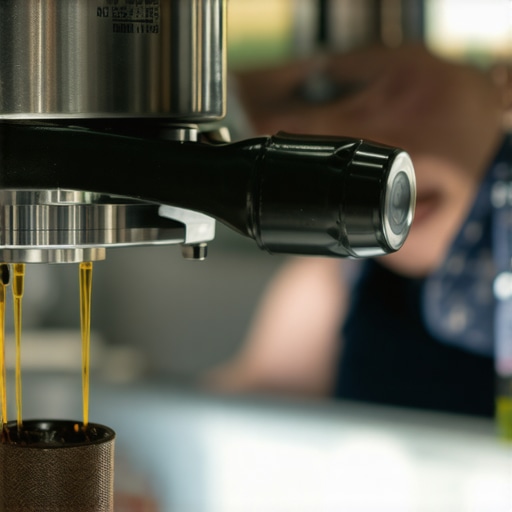 While many enthusiasts believe that selecting the latest automatic milk frother or a top-tier espresso machine guarantees perfect coffee, the real challenge lies in understanding the nuanced mechanics behind these devices. A prevalent misconception is that all automatic milk frothers are created equal—many assume that their simple push-button operation ensures barista-quality froth without fuss. However, the technology varies significantly; some models use advanced thermodynamics to achieve creamier textures, while others rely on basic frothing principles that can produce inconsistent results. Misjudging these differences can lead to persistent issues like burnt milk or flat foam. Additionally, some believe that super-automatic espresso machines require minimal maintenance, but in reality, overlooking regular cleaning and calibration can cause clogging and flavor degradation over time. It’s a common trap to invest in high-end equipment without mastering the fundamental settings—like grind size, tamping pressure, and water temperature—which are critical for extracting optimal flavor and crema. The real secret is recognizing that these machines are sophisticated tools that demand both understanding and care, not just a quick setup and forget.
What advanced techniques can ensure consistent quality with home espresso setups?
Integrating knowledge from experts, such as those outlined in espresso grinder essentials, can make a significant difference. Proper grinder calibration not only improves extraction but also reduces oil buildup that can clog your machine’s internal pathways. Moreover, paying attention to the interplay between bean freshness, grind size, and tamping pressure plays a crucial role in avoiding the so-called ‘Oops’ factors—like channeling or over-extraction—that compromise flavor. Regular descaling and cleaning, often neglected by casual users, can prevent the dreaded build-up of oils in your machine’s internal components, which deteriorates performance over time. Experts emphasize that understanding these subtle mechanics transforms your approach from guesswork to precision, elevating your coffee experience. For a comprehensive guide, explore our super-automatic espresso machine guide.
Remember, mastering an espresso setup is akin to fine-tuning an instrument—small adjustments lead to remarkable improvements. Have you ever fallen into this trap? Let me know in the comments.
Invest in Quality Cleaning Tools for Longevity
Maintaining your espresso machine, grinder, and automatic milk frother requires the right tools. I personally swear by a set of dedicated brushes and descaling kits designed specifically for coffee equipment. For instance, a fine-bristled brush helps dislodge coffee grounds from filters and portafilters without scratching surfaces, while a high-quality descaling solution ensures mineral buildup doesn’t choke your grinder or water pathways. Using tools recommended by experts, such as those in espresso grinder essentials, has transformed my maintenance routine from reactive to proactive.
Implement Scheduled Maintenance to Avoid Downtime
I schedule maintenance sessions every two weeks, cleaning removable parts thoroughly and running cleaning cycles if your machine has them. Regularly replacing water filters and checking for oil buildup prevents performance issues before they start. For super-automatic espresso machines, a quick inspection of internal components with a flashlight can reveal early signs of wear. Adopting a disciplined routine, inspired by industry best practices, helps keep the machine responsive and ensures long-term reliability.
Leverage Software and Calibration for Consistent Results
Modern espresso machines often come with calibration settings or companion apps that fine-tune temperature, grind size, and dose. I routinely use these tools to adjust for variables like bean roast level or ambient humidity. According to expert reviews, proper calibration can significantly reduce oil buildup by optimizing extraction parameters. Embracing these technological aids gives you a competitive edge, ensuring each shot is as perfect as the first.
Use Protective Covers and Environment Controls
Placement matters. Position your equipment away from direct sunlight, heat sources, or dusty areas. My habit is to cover my espresso machine and grinder with insulating covers that protect against dust and accidental spills, extending their lifespan. Environmental control isn’t glamorous but plays a crucial role in reducing wear and tear over time. Investing in a dedicated coffee nook with temperature and humidity regulation preserves the integrity of beans and prevents internal moisture from causing malfunctions.
Stay Updated with Firmware and Software Updates
Manufacturers periodically release updates that improve performance, fix bugs, or enhance features. I make it a point to check for firmware updates at least quarterly through the manufacturer’s app or website, ensuring my gear benefits from the latest refinements. These updates often address issues like oil dispersal efficiency or heater calibration, which directly impact long-term maintenance. Regular software updates are a simple but effective way to keep your investment performing optimally, as highlighted in maintenance insights.
Predicting the Future of Espresso Maintenance
As technology advances, I believe integration of IoT sensors and AI diagnostics will become standard, providing real-time alerts on machine health and automatically scheduling maintenance tasks. Already, some high-end models include self-cleaning cycles and performance monitoring, making manual upkeep less necessary. Embracing these innovations will make maintaining your setup easier and more effective in the years ahead.
How do I maintain my espresso equipment over time?
Start by adopting a disciplined cleaning schedule using tools recommended by experts, like precision brushes and descaling solutions. Leverage calibration settings and software updates to optimize performance, and protect your gear with environmental controls. By staying proactive and informed, you’ll reduce downtime and keep your coffee consistently excellent. Want to explore more advanced maintenance techniques? I recommend trying the tips in automatic frother maintenance.
What I Wish I Knew When I Started Using Oily Beans
One of the most eye-opening lessons I learned was how seemingly harmless choices, like selecting a darker roast for its flavor, inadvertently caused my machine to clog and underperform. I used to think that regular cleaning was enough, but I overlooked the importance of bean selection and grind adjustment. That realization transformed my routine and saved me from costly repairs. The key insight was understanding that the quality of your beans and how you prepare them directly impacts your machine’s longevity and your coffee’s taste.
Another lesson was the misconception that high-end equipment could compensate for poor maintenance. No matter how advanced your espresso machine, neglecting regular cleaning and calibration leads to oil buildup, resulting in sluggish extractions and flavor degradation. Embracing proactive maintenance—using the right tools and scheduling routine cleanings—became a game-changer, allowing me to enjoy consistently rich and smooth coffee day after day.
My Essential Arsenal for Coffee Purity
Over time, I curated a set of trusted tools that made maintenance a breeze. I recommend investing in a dedicated cleaning brush, which easily dislodges grounds and oils from filters and crevices, and a quality descaling solution tailored for espresso gear. Regularly updating the calibration settings through your machine’s software, as advised in espresso grinder tips, ensures optimal extraction and minimal oil transfer.
For comprehensive cleaning routines, the detailed guides at maintenance resources have been invaluable. They helped me develop habits that prevent clogging before it starts, preserving my equipment and enhancing my coffee experience.
Keep Your Passion Brewing with These Personal Tips
Your journey with coffee is a continual learning process. Embrace the small adjustments—like choosing beans with lower oil content, tweaking grind size, and scheduling regular cleanings—as crucial steps toward better flavor and machine health. Remember, these efforts pay off with richer crema, cleaner pulls, and longer equipment lifespan. By staying curious and proactive, you transform a simple routine into a craft that brings joy every morning.
Has tackling oil buildup changed how you use your espresso gear? Share your experiences below—I’d love to hear your story!
![Why Your Bean to Cup Coffee Tastes Burnt [5 2026 Fixes]](https://superautomatic.espressotechguide.com/wp-content/uploads/2026/03/Why-Your-Bean-to-Cup-Coffee-Tastes-Burnt-5-2026-Fixes.jpeg)