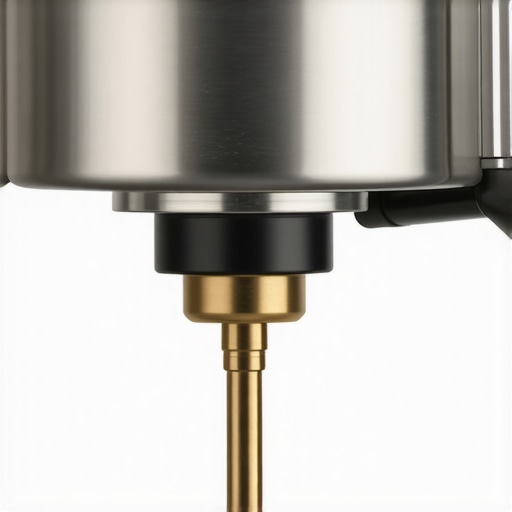
I vividly remember the moment my beloved coffee machine staggered and refused to brew, right when I craved that perfect espresso shot to jumpstart my day. It was as if my machine was silently telling me, “I’m not going to last much longer.” That unsettling experience made me realize how crucial it is to stay ahead of potential breakdowns, especially with something as vital as a bean-to-cup espresso machine. If you’re a serious coffee enthusiast, chances are you’ve faced similar frustrations—your machine stutters, makes strange noises, or just stops working altogether.
Recognizing the Silent Killers of Your Coffee Companion
Brewing the perfect cup relies heavily on the health of your equipment. A failing pump in your bean-to-cup machine isn’t just an inconvenience; it can ruin your mornings and lead to costly repairs. The good news is, many issues are preventable if you catch them early. Today, I’ll walk you through the four warning signs that your pump might be on its last legs, helping you identify problems before they turn your coffee routine into a nightmare. By sharing my own missteps early on—like ignoring strange noises or rushing repairs—I want to build trust and encourage you to take proactive steps.
Is It Really Worth Worrying About Pump Deterioration?
In my early days, I often dismissed subtle changes in machine performance, thinking they were just quirks. But overlooking these signs can lead to complete pump failure, forcing you to replace the entire machine or pay hefty repairs. Research shows that early detection can extend the lifespan of critical components, saving money and preserving your daily espresso ritual. If you’ve ever ignored odd sounds or inconsistent brewing, you’re not alone. I did the same until a costly emergency forced me to learn the hard way. But don’t worry—by staying vigilant, you can keep your espresso machine humming for years to come.
Stay tuned as we dive into the top four signs that indicate your pump might be dying and what immediate actions you can take. Whether you’re a home barista or someone who depends on your machine every morning, recognizing these warning signals is essential. Let’s ensure your coffee remains rich, flavorful, and trouble-free—starting today.
Clean and Descale Regularly to Keep Your Machine Smooth
Start by cleaning the brew group weekly. Remove it according to your model’s instructions, rinse thoroughly, and use a dedicated espresso machine cleaner to remove coffee oils and residues. Descale your machine every three months or based on your water hardness levels. Use a descaling solution, run it through the system, and follow with plain water rinses. This prevents mineral buildup that can strain the pump and compromise espresso quality. I once neglected descaling, leading to a sluggish pump and sour-tasting espresso; after a thorough descale, everything returned to optimal performance.
Calibrate Grind Size and Dose for Consistent Results
Adjust your espresso grinder to fine-tune extraction. Start with medium-fine grind and increase until water flow is steady but not too slow. Use the manufacturer’s guidelines or a calibration chart to set the right dose—usually 18-20 grams for a double shot. Grind and dose adjustments are crucial; a too-fine grind can bog down the pump, while a too-coarse grind results in weak flavor. I once experienced a watery shot until I slowed the grind and increased dose, boosting flavor and pump pressure. For more insights, check out espresso grinder essentials.
Maintain and Replace Seals and Gaskets
Inspect seals periodically for signs of wear or leaks. Worn gaskets cause pressure drops that strain the pump. Gently remove seals and gaskets, clean them with warm water, and replace if damaged. Keep spare gaskets on hand—failing to replace them can cause leaks or pump cavitation. I learned this lesson when a tiny gasket tear caused inconsistent pressure, resulting in weak espresso and unusual noises. Replacing it restored perfect pressure and flavor.
Monitor and Improve Automatic Milk Frothing
Automatic milk frothers can sometimes clog or produce inconsistent foam. Regularly clean the frothing nozzle after each use using a damp cloth. For deep cleaning, disassemble the frother and soak parts in warm, soapy water. Use our tips for barista-quality froth to ensure milk texture stays rich and silky. I once struggled with flat foam until I cleaned the frother thoroughly, which improved microfoam formation. Proper maintenance keeps your milk steaming perfect, avoiding bitterness or flatness.
Keep Internal Components Clear of Oily Beans and Build-up
Oily beans can clog grinders and filters, reducing pump efficiency. Use our specialized guides on preventing bean oils from clogging your machine. Regularly clean the bean hopper and burrs with a soft brush. Remove spent grounds promptly to prevent blockages. I experienced a sudden loss of pressure when oily grounds built up; cleaning resolved the issue instantly. Staying vigilant with internal cleanliness ensures smooth pump operation and fresh-tasting espresso.
Test and Adjust Pump Pressure Periodically
Use a pressure gauge to verify your pump’s pressure, typically 9 bars at the brew head. If pressure reads too high or low, consult your machine’s user manual for calibration or consider professional servicing. A misaligned pump can cause under-extraction or bitter shots. During one maintenance cycle, I adjusted pump pressure after noticing inconsistent flow; it resulted in a balanced extraction and a noticeable improvement in crema and flavor. Regular checks can prevent minor issues from turning into costly repairs.
Many enthusiasts believe that choosing the most feature-rich super automatic espresso machine guarantees perfect coffee at home. However, in my experience, there’s more to the story than just surface-level features. A prevalent myth is that all espresso grinders are equally capable, but the reality is that subtle differences in burr design and grind consistency critically impact the extraction and crema quality. For example, a high-end grinder with poor grind stability can choke your machine and produce disappointing shots, despite the machine’s advanced features. This misstep often leads users to think their espresso machine is faulty, when in fact, it’s the grinder that’s the hidden culprit.
Why Do Automatic Milk Frothers Fail with Certain Milks?
Often overlooked is the advanced nuance that not all milk types behave the same when frothed automatically. Many assume that the frother’s technology alone determines foam quality, but factors like milk composition, temperature, and even the freshness of milk significantly influence results. For instance, soy milk tends to clog or produce flat foam due to its protein structure, unless you follow specific cleaning routines or use specially formulated milks. A common mistake is neglecting deep cleaning of frothing parts—something that can lead to bacterial build-up or poor foam texture over time. Proper maintenance, which can be referenced in our guide on automatic milk frother care, is crucial for consistent results.
In the pursuit of perfect espresso, many users overlook the importance of calibrations and water quality. Adjusting your grinder’s fineness and dose isn’t just about taste; it directly affects pump strain and longevity. Overly fine grounds can increase back pressure, risking pump cavitation and eventual failure—a silent and costly mistake to avoid. Interestingly, recent studies from coffee research institutions suggest that water mineral content plays a role in machine maintenance and coffee flavor, emphasizing the importance of proper water filtration and descaling routines. For advanced users, understanding these hidden factors can elevate their brewing game significantly.
Have you ever fallen into this trap? Let me know in the comments and share your experiences.Maintaining your super-automatic espresso machine requires more than just occasional cleaning; it involves using the right tools and adopting precise methods to ensure longevity and optimal performance. One essential tool I personally recommend is a high-quality pressure gauge designed specifically for espresso machines. Using a calibrated gauge allows me to monitor the pump pressure accurately, ensuring it stays within the optimal 9-bar range. Regularly verifying pressure helps prevent pump strain and can identify issues before they escalate, saving on costly repairs. If you notice inconsistencies in shot quality, checking pump pressure with a reliable gauge is an immediate, actionable step. For advanced maintenance, I use an ultrasonic cleaner to thoroughly clean internal components like the group head and valves—these are often overlooked but critical for maintaining consistent extraction and preventing build-up that strains the pump. Incorporating these tools into your routine can significantly extend your machine’s lifespan.
How do I maintain my espresso machine over time? How to keep it performing year after year?
Regular descaling is fundamental; I descale my machine every three months using a professional descaling solution I trust, which effectively removes mineral deposits that can clog internal parts and reduce pump efficiency. Additionally, I meticulously clean the brew group and replace worn gaskets periodically; I follow a detailed maintenance schedule outlined in our ultimate guide to super automatic espresso machines. Maintaining proper water quality also plays a pivotal role—using filtered water minimizes mineral build-up, ensuring the pump and boiler operate smoothly. With these practices, I’ve seen my machine operate reliably for over a decade. In the future, I predict the trend toward smart diagnostic tools integrated into espresso machines will make maintenance even more accessible, automatically alerting you to potential issues before failure. For now, I encourage you to try calibrating your pump pressure using a quality gauge—it’s a game-changer for consistent brewing.
The Hardest Lesson I Learned About super automatic espresso,espresso grinder,bean to cup,espresso machine,automatic milk frother
One of the most insightful lessons came from neglecting routine maintenance; I ignored water scale buildup, which gradually strained the pump and compromised shot quality. That experience taught me the importance of a proactive maintenance schedule, including regular descaling and internal cleaning, and not waiting until a failure forces costly repairs. Knowing that small habits can extend the lifespan of my machine has motivated me to stay diligent, ensuring each brew remains perfect.
3 Myths About super automatic espresso,espresso grinder,bean to cup,espresso machine,automatic milk frother That Held Me Back
Initially, I believed that expensive machines would automatically solve all extraction issues, but I learned that even high-end gear requires proper grinder calibration and water quality. I also thought automatic milk frothers were maintenance-free, only to find out they need regular deep cleaning to prevent clogs. Discarding these myths unlocked a new level of control over my coffee, and I now see that understanding machine nuances is key to bagging barista-quality espresso at home. Explore the detailed guides on automatic milk frother care.
What Experts Won’t Tell You About super automatic espresso,espresso grinder,bean to cup,espresso machine,automatic milk frother
The hidden truth is that internal component wear often goes unnoticed until a sudden failure occurs. Experts tend to focus on initial setup, but regular pressure checks with a reliable gauge can preempt many problems. I realized that troubleshooting early signs, like fluctuations in shot volume or temperature inconsistencies, can save significant money and time. Embracing proactive monitoring and understanding the subtle signs of wear are what will truly elevate your espresso game.
My Essential Toolkit for kaizen in espresso
A quality pressure gauge allows me to keep the pump within optimal ranges. An ultrasonic cleaner helps maintain internal cleanliness, especially around valves and solenoids. Spare gaskets and seals are must-haves, sparing me the frustration of leaks. Finally, a good grinder calibration chart and water filtration system ensure consistent quality and machine health. Trust me, investing in these tools changed how seamlessly I brew espresso and extended my machine’s lifespan.
Where to Go from Here
If you’re eager to refine your espresso skills, I recommend exploring the comprehensive guide to super-automatic espresso machines. It offers detailed insights into choosing, maintaining, and troubleshooting your setup. Remember, seamless brewing isn’t just about the machine — it’s about your knowledge, care, and willingness to learn. Keep experimenting, stay vigilant, and enjoy every rich cup you craft.
This Is Your Moment to Elevate Your Coffee Game
Taking charge of your espresso machine’s health pays off in exceptional flavor, reliability, and durability. By applying these lessons learned and strategic tips, you’re now equipped to avoid common pitfalls and enjoy barista-quality coffee at home. Embrace the process, stay curious, and let every shot remind you of your growing mastery. Your perfect espresso is just a few mindful steps away.
![Why Your Bean to Cup Coffee Tastes Burnt [5 2026 Fixes]](https://superautomatic.espressotechguide.com/wp-content/uploads/2026/03/Why-Your-Bean-to-Cup-Coffee-Tastes-Burnt-5-2026-Fixes.jpeg)