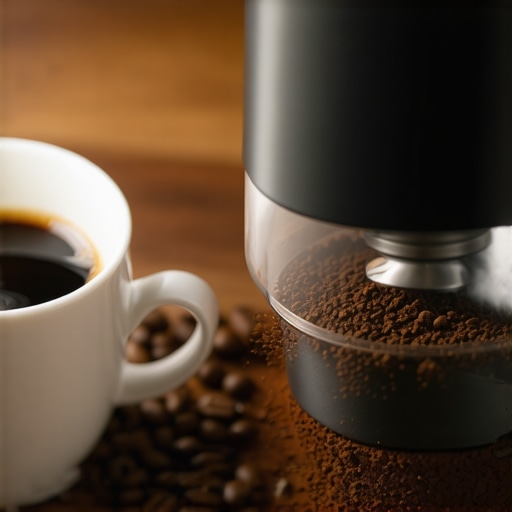
I remember the first time I eagerly pulled a shot from my shiny new bean-to-cup machine, only to be greeted by a shot that tasted weak and watery, leaving me frustrated and questioning my investment. That lightbulb moment made me realize that even the most advanced espresso machines can’t compensate for a poorly tuned grinder. If you’ve ever experienced a thin, insipid espresso despite owning top-tier equipment, you’re not alone. Many enthusiasts face this challenge, and trust me, there’s a solution.
Unlocking Richer, Fuller Flavors: The Grinder’s Role in Perfect Espresso
The secret to a robust, flavorful shot often comes down to your grinder. This piece of equipment is the gatekeeper of extraction quality, yet it’s frequently overlooked or misunderstood. Poorly calibrated grinders can grind too coarse, resulting in under-extraction and weak flavors. Conversely, inconsistent grinding leads to uneven extraction, ruining the crema and depth of your brew.
Early in my journey, I made a crucial mistake: I assumed that buying a fancy espresso machine was enough. It wasn’t. The grinder needed just as much attention, if not more. Neglecting regular adjustments and cleaning left me with disappointing results. Once I started fine-tuning my grinder, the difference was night and day.
So, why does this happen? Well, factors like stale beans, humidity, and machine wear can affect grind consistency and size. Without proper tactics, these variables sabotage your efforts. Luckily, I discovered three effective tactics that transformed my espresso quality. And I want to share them with you, so you can avoid the same pitfalls and enjoy rich, barista-quality coffee at home.
Are you tired of ending up with thin, weak espresso despite investing in top hardware? If so, you’re about to learn how small adjustments to your grinder can make a huge difference. Plus, I’ll help you sidestep common mistakes that sabotage your brew. Read on, because your perfect espresso is within reach—regardless of your current setup.
Adjust Your Grind Size with Precision
Take a recent morning where I faced underwhelming shots despite my fancy machine. I removed the bean hopper, set my grinder to a medium-fine setting, and turned it incrementally, testing after each adjustment. The aim is to find the sweet spot where the grind isn’t too coarse nor too fine, which affects flow rate and extraction. Use your machine’s manual for specific grind ranges, but remember, small tweaks make a big difference. Once I settled on the perfect grind size—just a notch finer than before—the shot was significantly richer and more balanced, demonstrating the power of meticulous calibration.
Calibrate for Consistency, Not Just Once
Consistency in grinding ensures every espresso shot maintains flavor and crema. I learned this the hard way when I cleaned my grinder’s burrs but neglected to re-calibrate. Now, after every cleaning, I dial back the grind size to match my desired shot profile, avoiding uneven extraction. Think of it like tuning a musical instrument—small, deliberate adjustments keep the harmony. For accuracy, record your settings at different grind levels; this helps you quickly revert to your best profile and avoids guesswork. Regular calibration prevents the dreaded watery shot, even when beans change slightly due to freshness or origin.
Implement Routine Cleaning and Maintenance
Stale coffee grounds or oils build up inside your grinder, leading to uneven particle size and flavor loss. I experienced a clogged burr after a week of ignoring this routine, which caused inconsistent grind size and bitter notes. To fix this, I disassembled the grinder’s burr chamber and used a brush to remove residual grounds, then reassembled with fresh burrs if necessary. Regular cleaning—preferably every two weeks—keeps your grinder performing at peak. Avoid using oils or cleaning products not specified for your model; consult your manual or [contact us](https://superautomatic.espressotechguide.com/contact-us) for recommended practices. Well-maintained equipment ensures the perfect grind consistency essential for a superior espresso experience.
Choose the Right Bean Grind Profile
Different beans and roast levels demand specific grind sizes. Light roasts often need a finer grind to extract full flavor, while darker roasts might require coarser settings to prevent over-extraction. I once tried a darker roast with my usual grind size—resulting in a harsh, bitter shot. Switching to an even coarser grind, based on the bean’s profile, vastly improved the taste. Experiment with small adjustments—start by changing the grind in 0.2 step increments—and keep notes on flavor profiles. This personalized tweaking unlocks the hidden potential in each bean, elevating your home espresso to professional standards. For detailed guidance, explore [espresso grinder essentials](https://superautomatic.espressotechguide.com/espresso-grinder-essentials-boost-your-coffee-flavor-today) or [bean to cup options](https://superautomatic.espressotechguide.com/bean-to-cup-how-to-choose-your-perfect-espresso-machine).
Optimize Your Machine’s Settings for Better Results
Most super automatic machines allow customizable parameters like shot volume, temperature, and extraction timing. During a busy morning, I noticed my espresso lacked body; adjusting the shot volume slightly increased the brew time, improving flavor richness. Consult your machine’s manual and fine-tune these parameters, especially if your machine offers PID temperature control and programmable shot times. Remember, a longer extraction can enhance body but risks over-extraction—balance is key. Fine-tuning these settings collaborates with your grind adjustments, making every shot uniquely tailored. For comprehensive guidance, check out [the ultimate guide to super-automatic machines](https://superautomatic.espressotechguide.com/the-ultimate-guide-to-super-automatic-espresso-machines-in-2025).
Test, Record, and Refine Your Process
Every tweak should be followed by tasting and documenting. I keep a simple journal, noting grind settings, tamp pressure, shot volume, and flavor notes. One morning, I adjusted my grinder to a slightly finer setting, but the shot overwhelmed with bitterness; I recorded this and reverted the change. Over time, this systematic approach identified the ideal parameters specific to my beans and machine setup. Think of it as developing a personalized coffee recipe—consistent practice hones your palate and your process. This disciplined method transforms random adjustments into a reliable ritual, ensuring consistently excellent espresso. For further tips, see [top bean-to-cup coffee makers](https://superautomatic.espressotechguide.com/top-bean-to-cup-coffee-makers-with-milk-frother-for-perfect-coffee-2025).
Many enthusiasts believe that having high-end espresso machines or automatic milk frothers automatically guarantees barista-quality coffee, but this is a misconception. The truth is, most people overlook the complex interplay between grinder settings, bean freshness, and maintenance routines, which are critical for optimal extraction. For example, a common myth suggests that once your super automatic machine is calibrated, you can neglect recalibration even when switching beans or after regular cleaning. In reality, subtle changes in bean origin, roast level, and humidity can drastically affect grind consistency and extraction, leading to disappointing results if not adjusted accordingly. Moreover, advanced users know that improper cleaning—like neglecting burr maintenance—can cause uneven grind particle sizes, resulting in thin crema or bitter flavors.
Why do even professional baristas emphasize grinder calibration over machine settings alone?
This is because the grinder determines the size and uniformity of grounds, directly impacting water flow and extraction quality, as supported by espresso research standards outlined in this guide. An often overlooked nuance is the importance of routine maintenance; a dirty burr can increase temperature during grinding, causing dead zones or inconsistent particle sizes. Avoid the trap of believing that automatic features replace the need for regular upkeep. In fact, neglecting cleaning routines can diminish even the most sophisticated equipment’s capabilities. Additionally, aspiring espresso connoisseurs should consider that the grind profile optimal for one bean type may not suit another; adapting grind fineness accordingly can dramatically enhance flavor and crema. Remember, equipment alone won’t make your coffee exceptional—it’s the meticulous attention to these hidden factors that elevates your brewing game. Have you ever fallen into this trap? Let me know in the comments and share your experiences.Maintaining top-tier espresso equipment requires more than just careful operation; it demands the right tools and a disciplined routine. A high-quality, precision calibration tool like the Romarly Tamper Heights Gauge has become indispensable in my setup, enabling me to set tamp pressure consistently, which is crucial for balanced extraction. Additionally, a digital caliper allows me to measure grind particle size with precision, ensuring my grinder remains accurate over time. Regular cleaning supplies tailored to espresso machines, such as specialty burr brushes and descaling solutions, help prevent buildup and extend component lifespan. By investing in these tools, I ensure that my equipment performs reliably, producing superb espresso shot after shot. The future of espresso maintenance is trending toward smart, connected devices that monitor grind consistency and machine health remotely, which excites me for even more seamless long-term care. How do I maintain my setup over time? I adopt a scheduled routine, cleaning my grinder and espresso machine biweekly, and calibrating settings after every cleaning or bean change. These small investments in time and quality tools greatly pay off in consistent, barista-quality results. For more detailed guidance on maintaining your equipment, visit our contact page, or explore the comprehensive guides on espresso grinder essentials and automatic milk frother mastery. Don’t hesitate to try out a digital caliper or precision tamper gauge—these small tools can revolutionize your hobby and preserve your investment.
Lessons Only The Pros Have Learned About Espresso Equipment
One of the most eye-opening moments in my coffee journey was realizing that no matter how expensive or advanced my espresso machine was, the real magic happened through diligent grinder calibration and maintenance. I discovered that small, consistent adjustments—like setting the perfect grind size or ensuring the burrs are squeaky clean—can unlock flavors I never knew existed in my beans. Often, I overlooked routine upkeep, but fixing that transformed my brew from bland to barista-quality. The lesson? Every piece of equipment requires attention, and mastering those nuances is what separates novice brews from extraordinary cups.
Another insight was the importance of understanding bean profiles and how they interact with grind settings. I used to stick to a one-size-fits-all approach, but experimenting with finer or coarser grinds based on roast level and origin dramatically improved crema and flavor depth. It became clear that a personalized grind profile tailored to each bean’s unique characteristics is essential to reach that rich, full-bodied espresso I always strived for. The takeaway? Your beans deserve your attention just as much as your machine does—it’s about harmony and finesse.
Lastly, I learned that the routine integration of quality tools—like a precision tamper gauge and digital calipers—can elevate your consistency to a professional level. These investments made me more precise with tamping pressure and grind particle size, leading to shots that are reliably flavorful and perfectly extracted. Don’t underestimate the power of small tools; they turn guesswork into craft. When you combine meticulous calibration, bean knowledge, and the right equipment maintenance, you set yourself on a path toward espresso mastery that makes every morning special.
Tools and Resources That Elevated My Coffee Game
For anyone serious about perfecting their espresso, I highly recommend investing in a precision grinder calibration tool. It allows you to dial in that ideal grind size with confidence, ensuring consistency even as beans vary. Additionally, a digital caliper is invaluable for measuring grind particle sizes, helping you replicate successful shots reliably. Lastly, following dedicated guides to maintain your machine ensures longevity and peak performance. These practical tools, coupled with ongoing learning, keep my espresso consistently exceptional.
Your Next Step Toward Espresso Excellence
Remember, transforming your home coffee setup into a professional-quality machine isn’t just about buying the best equipment—it’s about developing a disciplined routine, understanding your beans deeply, and fine-tuning each element of your process. The journey to perfect espresso is ongoing, but every small adjustment brings you closer to that rich, aromatic shot you crave. Don’t shy away from experimenting, documenting, and learning—these are the keys to elevating your brewing skills and enjoying every sip as a true barista would.
What’s been your biggest challenge in dialing in your espresso grinder or machine? Share your experiences in the comments below—let’s learn together and keep brewing better every day!
,
![Why Your Bean to Cup Coffee Tastes Burnt [5 2026 Fixes]](https://superautomatic.espressotechguide.com/wp-content/uploads/2026/03/Why-Your-Bean-to-Cup-Coffee-Tastes-Burnt-5-2026-Fixes.jpeg)