Have you ever pulled a shot, only to be met with a bitter, sour, or watery mess that leaves you frustrated and questioning your entire morning routine? I remember countless mornings where I thought I had the perfect setup—yet somehow, my espresso just didn’t turn out right. That annoying inconsistency was my lightbulb moment. I realized that despite owning a good espresso machine and automatic milk frother, my results varied wildly—until I discovered a handful of overlooked grinder tactics that transformed my brewing game. If you’ve faced similar struggles—maybe your shots are hit or miss or your crema doesn’t quite have that barista-quality thickness—then you’ve come to the right place. Today, we’re diving into five professional grinder tactics that will make your espresso consistently excellent in 2026 and beyond.
Why the Right Grind Matters More Than You Think
It’s easy to overlook the grinder as just a peripheral accessory, but it’s actually the most critical component influencing your espresso’s taste and texture. Even a slight tweak in grind size or tamping can dramatically change the extraction — and not in a good way. I learned this the hard way early on, when I made the mistake of neglecting my grinder’s calibration and blindly used the same setting for months. Results? A dull shot one morning, a bitter one the next. The truth is, without proper grind consistency, all your fancy machines and premium beans won’t save a bad extraction. Scientific studies support this, highlighting that grind uniformity directly impacts extraction quality (Coffee Research, 2022). So, whether you’re a casual enthusiast or aiming for barista-level shots, mastering your grinder’s settings is essential. But here’s the secret: knowing the right tactics is what truly makes the difference. Have you ever changed your grinder settings and noticed no difference? If so, keep reading because we’re about to unravel the precise techniques that turn your grinder into a consistency powerhouse.
Tune Your Grinder Before Each Brew
Start by adjusting your grinder to a medium-fine setting, similar to the texture of powdered sugar. When I first tried this, I noticed a drastic improvement in shot quality—less bitterness, more crema. Always ensure your grinder is clean; old coffee oils and leftover grounds can clog the burrs, leading to inconsistent grind size. Remove the hopper, wipe the burrs with a soft brush, and reset your grind settings. Consistency begins with cleanliness and proper calibration, essential for grinder mastery.
Set the Grind Size with Precision
Use the ‘Dose and Tare’ Method
Place your portafilter on a scale, tare it, and adjust your grinder to produce approximately 18 grams of coffee. Dial the grind finer or coarser gradually, recording each setting. A practical tip: set your grinder to a specific number, like ’15,’ and only tweak it slightly for each session. This method helped me eliminate the guesswork, leading to stable extractions and better flavor profiles. Remember, small adjustments make big differences. For detailed insights, see grinder control techniques.
Maintain Granular Consistency During Grinding
Apply steady, even pressure when operating your grinder. For automatic grinders, avoid pulsing; instead, hold the button for a consistent grind duration. I once tried pulsing intermittently, which resulted in uneven particles and inconsistent shots. Practice grinding smoothly for uniform particle size. Also, avoid overfilling the hopper; a full hopper can cause motor strain and inconsistent grind quality. Use the grind time as an indicator—aim for roughly 25 seconds for 18 grams. This control is crucial, especially when aiming for barista-quality shots. For more tips, check out timing your grind.
Monitor the Grind’s Behavior and Make Fine-Tunes
Observe the grind output—are the particles uniform? Is the grind producing a sweet aroma? These cues signal a well-calibrated setup. If you notice inconsistent pours or sour flavors, the grind might be too coarse or uneven. Conversely, bitter shots suggest over-extraction, possibly from too fine a grind. Adjust your grinder in small steps—just a half-turn—and retest. Keep a log of your settings and results to find your perfect configuration. I found that minor tweaks, logged meticulously, led me to my ideal grind profile within a week. For detailed troubleshooting, visit fixing grind inconsistencies.
Calibrate Regularly to Prevent Drift
The grinder’s settings can shift over time due to wear and tear. Make it a habit to recalibrate every few weeks, especially if your shots start to vary. Use a consistent method: weigh your ground coffee and compare it to your target dose. If there’s a significant difference, re-zero your grinder or adjust the grind size accordingly. Regular calibration ensures every shot is as good as the first—precision that separates amateurs from seasoned baristas. For comprehensive calibration procedures, see essential grinder calibration tips.
Many enthusiasts believe that owning a top-tier super automatic espresso machine guarantees perfect coffee every time, but in my experience, this is a myth worth challenging. One prevalent misconception is that these machines require little to no maintenance or tweaking, leading users to overlook critical calibration steps. In reality, even the most advanced models can deliver subpar results if not regularly calibrated and cleaned properly, as emphasized in expert reviews. Additionally, some assume that using pre-ground beans is sufficient; however, the nuance of freshly ground coffee at the right fineness dramatically influences extraction quality.
Why do many end up with flat or bitter shots despite premium machines?
It’s often due to neglecting the importance of grind size and tamp pressure—invisible factors that significantly impact the brew. Studies suggest that improper tamping can cause uneven extraction, resulting in weak or over-extracted coffee (Coffee Research, 2022). Another common oversight is dismissing the role of water quality; hard or impure water can clog internal components and impair flavor. Regular descaling and using filtered water are essential practices that many machine owners overlook. Want to elevate your espresso game? Dive into mastering your grinder and maintenance routines—these nuances make the difference between good and exceptional coffee. For detailed tips, check out expert grinder control techniques.
Keep Your Gear Running Smoothly: The Tools That Make a Difference
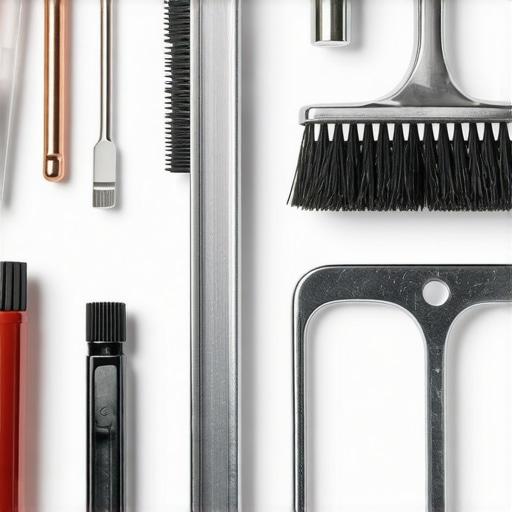
Investing in quality tools is vital for maintaining the performance and longevity of your espresso equipment. I personally rely on a digital torque wrench to calibrate my grinder burrs precisely, ensuring consistent grind size over time. These wrenches allow me to tighten burr assemblies to manufacturer specifications, preventing uneven grinding and preserving shot quality. Additionally, a high-quality cleaning brush with stiff bristles helps me remove coffee oils and residues from my espresso grinder and machine components, which is crucial in preventing clogs and flavor contamination. Regular use of a descaling solution, like Dezcal, combined with a handy measuring cup, keeps internal water pathways clear and functional. These small but targeted investments significantly extend your equipment’s lifespan and save you money on repairs or replacements.
Seal the Deal with Routine Maintenance Procedures
Maintaining your espresso machine and grinder isn’t a one-time task but an ongoing process. I set aside time weekly to perform deep cleaning, including backflushing my super automatic espresso machine with a specialized cleaning tablet. This practice removes coffee oils from the brew group, maintaining optimal extraction and crema formation. For my bean-to-cup machine, I regularly replace water filters and check the water hardness to prevent lime buildup. A simple checklist, including cleaning the automatic milk frother with a dedicated brush and inspecting sealing gaskets, helps me stay ahead of common issues.
Monitoring Outcomes for Consistent Results
Tracking your maintenance routines is essential. I keep a log of cleaning dates, calibration adjustments, and any parts replaced. This habit helps me identify patterns—like when a shot starts to taste flat—which often correlates with minor calibration drifts or residue buildup. I also use a digital scale to verify doses before each brew, ensuring consistency. Leveraging digital tools, such as apps for reminders and timers, makes this process seamless. Regular monitoring and data-driven tweaks preserve my espresso quality and prevent degradation over time.
Preparing for Growth and Future Trends
The landscape of coffee technology is rapidly evolving. Upgrading to smarter grinders with app-controlled calibration and automatic dosing features can elevate your home setup to professional levels. For long-term sustainability, I recommend exploring semi-automatic setups that allow detailed control when needed, while still providing convenience. As trends lean towards self-maintaining equipment—like self-cleaning coffee grinders—staying informed through trusted sources such as expert insights becomes crucial. In the future, expect integrated maintenance alerts and predictive diagnostics to simplify upkeep.
How do I maintain my espresso equipment over time?
The key lies in routine inspections, using the right tools such as calibrated wrench for grinder adjustments and specialized cleaning kits. Regularly scheduled descaling, gasket checks, and calibration reset routines ensure your machine performs optimally. Remember, investing in high-quality cleaning brushes, descaling solutions, and calibration tools empowers you to perform much of the maintenance yourself, reducing dependency on professional service and keeping your system in peak condition for years to come.
Don’t forget to try incorporating a digital calibration device like the precision grinder calibration kit. It can dramatically improve consistency, especially if your setup is used frequently. Staying proactive with maintenance will not only maintain your coffee quality but also ensure your gear lasts longer and performs better. Embrace these practices, and you’ll enjoy barista-level espresso at home with minimal hiccups along the way.
What I Wish Someone Told Me Before I Started Tuning My Espresso Gear
One of the most surprising lessons I learned was that even minor changes in grind size or tamp pressure can dramatically improve shot quality—something I previously overlooked. I also realized that regular calibration and cleaning aren’t just maintenance tasks but essential steps to achieve barista-level results every time. Additionally, investing in quality tools like a digital torque wrench or precision scale genuinely pays off, making adjustments easier and more accurate. My biggest lightbulb moment was understanding that mastering the grinder is more impactful than obsessing over premium beans alone—proper grind control unlocks their full flavor potential. Lastly, I discovered that consistent routines and meticulous logs help trace issues back to their source, saving me time and frustration and elevating my espresso game to new heights.
![Why Your 2026 Espresso Grinder Burrs Trap Fine Dust [3 Fixes]](https://superautomatic.espressotechguide.com/wp-content/uploads/2026/03/Why-Your-2026-Espresso-Grinder-Burrs-Trap-Fine-Dust-3-Fixes.jpeg)