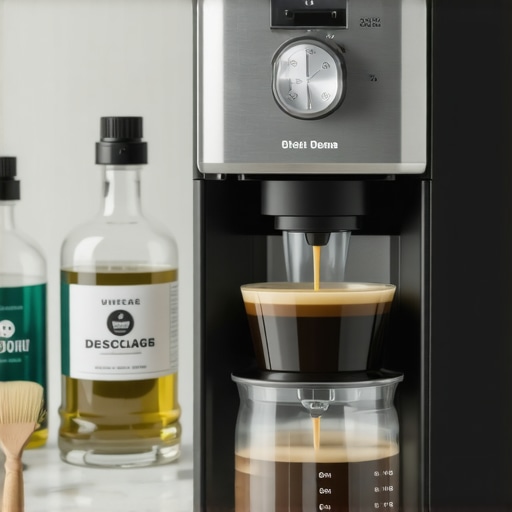
I vividly remember the moment my trusty espresso machine started underperforming. The shots became dull, the crema vanished, and that bitter taste was all too familiar. Frustration crept in as I realized I was facing a sneaky villain: scale buildup. It was as if my coffee hero was fighting an invisible enemy, turning my daily ritual into a chore. If you’ve ever experienced similar disappointment, you know how disheartening it can be to invest in top-tier equipment only to see it falter.
Why Descaling Is the Unseen Hero in Your Coffee Routine
Many casual coffee drinkers overlook one crucial aspect—the regular descaling of their espresso gear. Over time, mineral deposits, especially calcium and lime, accumulate inside the machine, blocking water flow and diminishing performance. As a result, you might notice longer brew times, inconsistent temperatures, or a weaker espresso. The truth is, scale is relentless and doesn’t discriminate; it affects even the most advanced bean to cup machines.
Did you know that hardness minerals in water can cause scale buildup in your espresso machine that reduces its lifespan? According to the specialty coffee association, regular descaling can extend your machine’s life by years, saving you money and headaches. I learned this the hard way early on, mistaking the machine’s decline for a mechanical fault rather than a simple mineral menace.
If you’re like me and want your coffee consistently rich and flavorful, understanding effective descaling hacks is essential. But before we dive into the practical solutions, let’s address one common fear among coffee enthusiasts.
Is Descaling Really Worth the Hassle?
Initially, I hesitated to descale because I thought it was a complicated, time-consuming process. I worried about using the wrong chemicals or damaging my machine. Did I really need to do this so often? Turns out, the mistake was neglecting this step altogether, which only made the problem worse. Regular descaling isn’t just maintenance; it’s a safeguard for your favorite brew.
Stay tuned, because I’ll be sharing proven hacks that make descaling quick, easy, and effective—turning a dreaded chore into a simple part of your coffee ritual. Curious to know how to keep scale at bay and enjoy that perfect cup every time? Let’s get started.
Drain and Prepare the Machine
Start by turning off your espresso machine and unplugging it. Remove any bean containers and accessories. Fill the water reservoir with a descaling solution—either a commercial descaler or a mixture of equal parts white vinegar and water. Place a large container under the brew head to collect the solution during the cycle. When ready, turn the machine back on and run a cleaning cycle according to your model’s instructions, which typically involves activating the espresso brewing process without coffee beans. This process breaks down mineral deposits inside the machine’s internal pathways.
Flush Out Residue Effectively
After the descaling cycle completes, drain the remaining solution from the drip tray and water reservoir. Rinse the reservoir thoroughly and refill with fresh, clean water. Run additional rinse cycles—about two to three—until no vinegar or descaling solution residue is detected. This flush ensures all mineral deposits and cleaning agents are cleared, preventing any taste transfer or damage to your machine. During this step, I once forgot to rinse thoroughly, and my first shot had a vinegar aftertaste, so patience here is key.
Deep Clean the Coffee Pathways
Next, focus on the internal pathways that might harbor scale and residue. Use a soft brush or a specialized brush for espresso machines to gently scrub accessible parts, such as the steam wand and portafilter area. If your machine allows disassembly, carefully clean these parts to remove built-up mineral deposits. Pay special attention to the espresso grinder if you have a super-automatic model, as mineral buildup can affect grind consistency. For better results, I soak detachable parts in descaling solution before scrubbing, which made a significant difference in restoring performance.
Recalibrate and Reassemble
After cleaning and rinsing, reassemble your machine carefully, ensuring all components are correctly positioned. Power it on and run a couple of blank shots or steamed milk cycles to ensure everything functions smoothly. Calibration might be needed if you notice temperature fluctuations or inconsistent pressure. Regular descaling can extend your machine’s lifespan; for detailed guidance, check out this guide on choosing your perfect espresso machine. Remember, keeping your machine clean isn’t just about maintenance; it’s about consistently enjoying that rich, flavorful espresso every time.
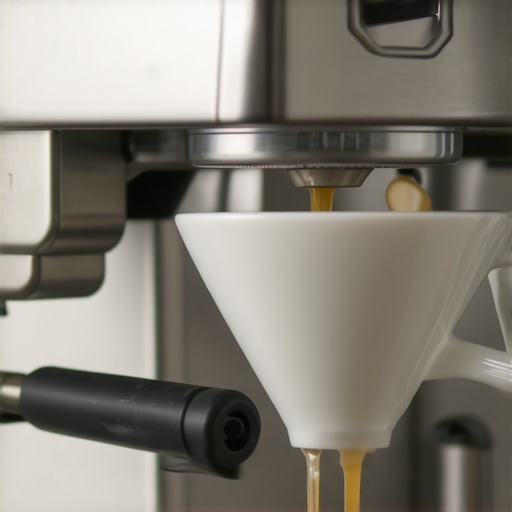 Even seasoned baristas often fall prey to misconceptions about super automatic espresso machines and their integrated features. One prevalent myth is that these machines eliminate the need for grinder maintenance. In reality, the quality of your espresso grind critically influences extraction and crema, and neglecting grinder upkeep can lead to uneven dosing and bitter brews. For optimal results, regularly calibrate and clean your espresso grinder, as detailed in this guide on grinder essentials. Another misconception is that automatic milk frothers can replace barista skills entirely. While they offer convenience, achieving professional-quality foam requires understanding milk temperature, frothing techniques, and cleaning routines. For expert tips, I recommend reviewing this comprehensive guide to milk frothers. Additionally, many believe that bean-to-cup machines automatically select perfect beans for brewing, but the reality is that bean freshness and type significantly impact flavor. Using pre-ground coffee or stale beans can undermine your efforts, no matter how advanced your machine. To choose beans wisely, explore this expert guide on selecting the right beans. Advanced users often overlook the importance of machine calibration; even high-end models require periodic adjustments to optimize temperature and pressure settings. Failing to calibrate can result in inconsistent espresso quality, which frustrates even experienced enthusiasts. For calibration techniques, check out this article on fixing watery espresso. Let’s dispel one final myth: that super automatic machines are inherently maintenance-free. In truth, neglecting regular cleaning, descaling, and component checks shortens lifespan and deteriorates coffee quality. Embracing proactive maintenance ensures longevity and optimal performance, as highlighted in this mold prevention checklist. Remember, understanding the nuances of your equipment transforms good coffee into exceptional espresso. Have you ever fallen into this trap? Let me know in the comments.
Investing in the Right Maintenance Tools
To ensure your super automatic espresso machine continues to produce barista-quality coffee, having the right tools on hand is crucial. I personally swear by a high-quality digital caliper, which I use to periodically check the burrs and dispensing components of my espresso grinder. Accurate measurements allow me to detect wear early and calibrate precisely, ensuring consistent grind size and extraction. Additionally, a specialty cleaning brush designed specifically for espresso machines helps me clean tight spots like the group head, steam wand, and water pathways, preventing buildup that can affect flavor and machine longevity. Regularly using these tools reduces the likelihood of expensive repairs and keeps your machine performing optimally.
Automating Your Maintenance Routine
While manual tools are essential, leveraging software and apps can streamline maintenance. I recommend using a maintenance tracker app tailored for espresso enthusiasts; these apps remind you when to descal, clean the grinder, or replace filters. For example, some newer models come with integrated diagnostics that alert you when performance dips below optimal levels. Predictive maintenance can extend your machine’s lifespan and help catch potential issues before they become costly repairs. As technology continues advancing, I predict machines will soon feature AI-driven diagnostics that recommend specific cleaning routines based on usage patterns, making maintenance even simpler and more precise.
How do I maintain my espresso machine over time?
Keep a consistent schedule for descaling with a reliable solution like citric acid-based descalers—these are gentler on your machine than vinegar and just as effective. Regularly replace water filters to prevent mineral buildup and always use fresh, filtered water to reduce scale formation and improve taste. Incorporate routine inspection of seals, gaskets, and burrs, replacing worn parts promptly. For detailed guides on maintenance, check out this guide on selecting your perfect espresso machine and remember, consistency is key for long-term results.
Why Long-Term Care Matters
Consistent maintenance not only preserves the performance of your espresso setup but also ensures you enjoy peak flavor for years. Think of your machine as a high-performance vehicle; neglect leads to costly repairs and subpar results. Using precision tools and scheduling regular cleanings can save you money and guarantee quality. As the trend toward smart, connected espresso machines grows, future models will likely incorporate self-diagnosing features, making maintenance even easier. For now, the best approach is proactive, mindful upkeep—because upgrading your coffee is as much about routine as it is about the gear itself.
Powerful Tip: Upgrade Your Grinder Calibration
If you haven’t already, I strongly recommend calibrating your grinder with a dedicated digital scale that measures grind weight per shot. Precise calibration helps achieve optimal extraction and crema, elevating your coffee to professional levels. For expert methods, review this detailed tactic guide. Try this advanced tip and notice how your espresso becomes richer and more consistent—it’s a game-changer that is worth the investment.
Lessons From the Front Lines of Coffee Craftsmanship
One of my most eye-opening lessons was realizing that even with the latest super automatic espresso machines, neglecting basic maintenance—like regular descaling—can silently sabotage my coffee quality. It taught me that technology alone isn’t enough; awareness and proactive care make all the difference. I also learned that grinder calibration isn’t a set-it-and-forget-it task; adjusting grind size and dose based on bean type and roast can unlock richer crema and more vibrant flavors. An unexpected insight was understanding that milk frothing is as much about technique as equipment—consistent steaming temperature and proper cleaning prevent flat foam and bad taste. Finally, I discovered that trusting automation too blindly can cause overlooked issues, so occasional manual checks keep everything running smoothly and your espresso at its best.
![Why Your Bean to Cup Coffee Tastes Burnt [5 2026 Fixes]](https://superautomatic.espressotechguide.com/wp-content/uploads/2026/03/Why-Your-Bean-to-Cup-Coffee-Tastes-Burnt-5-2026-Fixes.jpeg)