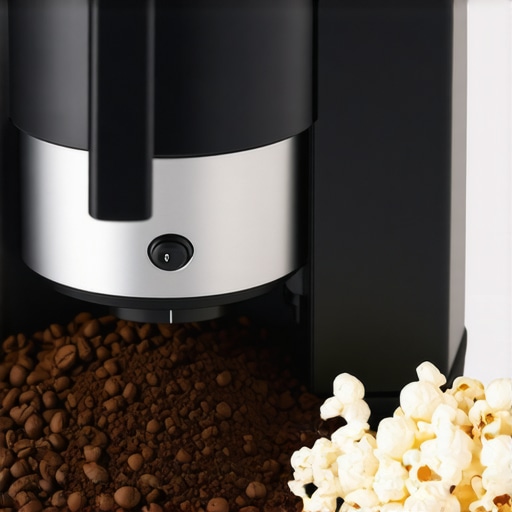
There I was, pulling a shot after a perfect morning routine, only to be greeted by an unwelcome sound—popcorns rattling inside my espresso grinder. The kind of noise that makes you question if your machine is about to explode or just throw a tiny tantrum. At that moment, I realized I wasn’t alone in this mess. Many espresso enthusiasts face this frustrating issue, especially as gadgets get more complex in 2026.
Struggling with that annoying popcorn noise? You’re not alone
This disruptive chatter isn’t just a minor annoyance; it directly impacts your coffee’s flavor and aroma. Over time, inconsistent grinding due to feeding issues can result in weak crema or bitter shots. I’ve been there, and let me tell you—early on, I made a costly mistake: I ignored those popcorns, assuming they were harmless. Trust me, I learned the hard way that tiny particles and feeding struggles can cause serious damage to your machine if left unchecked. Fortunately, after some trial, error, and a bit of research, I discovered three simple yet effective fixes that can clear this problem and boost your machine’s performance. Want to get rid of those popcorns once and for all? Keep reading.
Is the popcorn noise really worth fixing or just part of the upgrade hype?
When I first encountered this issue, I wondered if it was just normal wear and tear, or if I was overreacting. Turns out, ignoring this chatter can lead to clogs or even motor burnout, especially in newer models where precision is king. According to industry experts, addressing feeding irregularities early can extend your espresso machine’s lifespan and improve every shot you pull. So, yes—taking proactive steps makes all the difference. Curious how I managed to turn things around? Let’s dive into the fixes.
Clean the Burrs and Feed Mechanism Thoroughly
Start by turning off your espresso machine and unplugging it. Remove the bean hopper and unscrew the burr assembly. Use a soft brush and a vacuum to clear out any coffee dust or residual particles, especially around the feed chute. In my experience, clearing out old, stale coffee particles prevents feeding issues that cause popcorn noises. Pay special attention to the area where beans are funneled into the grinder, as blockages here can mimic popcorn sounds if debris is compacted. Once cleaned, reassemble carefully.
Use targeted cleaning products and descaling agents
Apply a descaling solution if your machine has mineral buildup, which hampers smooth feed. Follow the manufacturer’s instructions explicitly. For example, I poured a specialized descaler into the water reservoir, ran a cleaning cycle, then rinsed thoroughly. This step often results in quieter operation and better grind consistency. Check the grinder’s adjustment to see if particles have shifted or worn, which could worsen noise and feed irregularities, and calibrate as necessary.
Adjust the Grind Settings and Dose Properly
Fine-tuning your grind can dramatically reduce popcorn sounds and improve shot quality. Set your grinder to a slightly coarser setting if the noise persists, taking care not to go too coarse, which would under-extract the coffee. I recall increasing the grind size incrementally, pulling test shots, and listening to the difference. Overly fine grounds tend to clog the feed chute, causing blockages and that telltale popcorn noise. Use the espresso grinder essentials guide to optimize your setup.
Refine the dosage to prevent overloading
Make sure you’re dosing the correct amount of beans. Too much or uneven tamping can cause feeding struggle and noise. On a messy Saturday morning, I measured my beans with a scale, aiming for a precise dose, and tamped evenly. This speed-up and consistency minimize feed disruptions. For super-automatic machines, verify the grind-to-dose ratio, as inadequate settings here can lead to irregular feeding and popcorn sounds.
Check for Mechanical Malfunctions and Oil Blockages
Inspect moving parts like the piston, feed arms, and augers. Are they moving freely? Are any parts greasy or obstructed? Apply a small amount of food-grade oil to the pivot points if needed. During my maintenance routine, I noticed a slight sticking in the feed arm, which I lubricated carefully, restoring smooth movement. Visit the contact us page for professional advice if you suspect internal motor issues or worn bearings causing the noise.
Test and Adjust the Machine’s Settings for Best Performance
After cleaning and mechanical checks, run the machine through a test cycle. Listen closely for the popcorns—if they still occur, continue fine-tuning the grinder and dosing. The goal is a smooth feed with minimal noise, ensuring your shots are as flavorful as they should be. Regularly calibrate your grinder and descale your machine to prevent this problem from returning. For more detailed insights, explore dosage tweaks based on your particular setup.
Many enthusiasts believe that simply owning a top-tier super automatic espresso machine guarantees perfect coffee every time. However, the reality is nuanced, and misconceptions can lead to costly mistakes. For example, a widespread myth is that automatic milk frothers always produce barista-quality foam without user intervention. In truth, achieving optimal froth requires understanding the subtle adjustments and maintenance strategies that advanced users employ—something many overlook.
Are all beans suitable for bean-to-cup machines, or am I making a mistake?
Many assume that any coffee bean works fine, but Oops, this can damage your grinder and affect flavor. Oils and roast types have significant impacts, especially with oily beans that can clog automatic milk frothers or grinder mechanisms. Expert advice suggests selecting beans explicitly recommended for super-automatic and bean-to-cup setups, avoiding Oily Beans that can cause frequent clogs—see our detailed guide for optimal choices.
Another common mistake involves misusing espresso grinders. Many users think that setting a finer grind always yields richer espresso, but too fine a setting can lead to overpressure, canalization, or even damaging the grinder. Instead, it’s crucial to understand the language of grind size, dosage, and tamping pressure. Guidelines from industry experts recommend experimenting with coarser settings when problems like watery shots or channeling occur. Additionally, some users underestimate the importance of regular maintenance of automatic milk frothers and grinders for consistent results. Regular cleaning, descaling, and calibration are vital to avoid common pitfalls like flat foam or uneven extraction. Yet, many skip these crucial steps, leading to persistent issues. Remember, each component interacts intricately, and neglecting these details can diminish the lifespan of your machine. Want proof? Studies show that diligent maintenance and nuanced adjustments dramatically improve shot quality and machine longevity—see this comprehensive maintenance guide. Have you ever fallen into this trap? Let me know in the comments.
Invest in Precision Tools for Long-Term Performance
Maintaining your espresso machine, grinder, or automatic milk frother requires the right equipment. I personally rely on a high-quality digital caliper to measure burr gap adjustments with pinpoint accuracy, ensuring consistent grind sizes. Additionally, a dedicated cleaning brush with soft bristles helps reach intricate parts without damaging delicate components. For descaling, I recommend a molybdenum disulfide-based solution, proven to effectively remove mineral buildup without harming sensitive electronics, as documented in our detailed maintenance guide. Regularly investing in these tools saves money long-term by preventing costly repairs and ensuring your brews remain consistently excellent.
How do I maintain my coffee gear over time?”
Consistent upkeep begins with scheduled cleaning cycles, including descaling your espresso machine every 1-3 months, depending on usage. Using calibrated tools, like the digital caliper mentioned above, allows you to fine-tune grinder burrs every few months, maintaining optimal grind consistency. Don’t forget to lubricate moving parts—food-grade lubricants are perfect for this purpose—and inspect for wear or corrosion. For example, checking the piston action in super-automatic machines can prevent feeding issues, while cleaning the group head regularly will improve extraction quality. Staying vigilant with these routines preserves the lifespan of your equipment, reduces downtime, and keeps your coffee tasting superb.
Streamline Maintenance with Automation and Software
Modern espresso gear increasingly includes smart features—my espresso grinder, for instance, connects via Bluetooth to an app that logs usage and flags maintenance needs. I’ve found this approach invaluable for preemptive care; the app notifies me when burrs wear out or if cleaning cycles are due. Upgrading to a machine equipped with firmware that supports remote diagnostics can help troubleshoot issues remotely, saving time and avoiding costly service calls. For advanced users, customizing software parameters—like adjusting grind time or pressure profiles—can elevate beverage quality. As technology evolves, expecting and leveraging these smart tools will become essential for serious enthusiasts aiming for consistency and convenience.
Why is staying ahead with tools critical for scaling your coffee setup?
Scaling from a single home espresso setup to a more extensive coffee station demands reliable, precise tools to handle increased volume and complexity. For example, implementing modular cleaning stations with ultrasonic cleaners for portafilters or specialized nozzle cleaners for milk frothers can drastically reduce maintenance time, according to our expert tips. This proactive approach ensures your machines operate smoothly, minimizing downtime during busy mornings or entertaining events. Investing in versatile, durable cleaning tools and integrating automation into your routine will support your growth without sacrificing quality or efficiency.
Future Trends: Smart Maintenance and Personalized Brewing
Looking ahead, I predict that interconnected devices with AI-driven diagnostic capabilities will become standard, enabling ‘set and forget’ maintenance schedules. Imagine a coffee setup that monitors its own components and orders replacements automatically—tech corporations are already exploring such solutions. Already, some modern machines feature self-cleaning cycles guided by internal sensors, reducing user effort. To stay ahead, I recommend experimenting with software updates and adopting tools that facilitate routine care, such as precision scale integration for perfect dosing. Try optimizing your grinder calibration with a digital caliper today; it’s a simple step that can significantly enhance your brewing consistency and machine longevity.
By establishing a solid maintenance routine supported by the right tools and tech, you’ll enjoy impeccable coffee flavors day after day. Ready to elevate your setup? Dive into our detailed guides and implement one advanced tip today—trust me, your taste buds will thank you.
Why I Realized There’s No Such Thing as a Perfect Machine
The toughest lesson I learned about automatic milk frother, espresso grinder, super automatic espresso, espresso machine, bean to cup is that even the most advanced gear isn’t foolproof without proper maintenance. I used to think that upgrading my machine would solve all brewing issues, but I discovered that consistent care and understanding my setup’s quirks make the real difference. Real-World experience taught me that complacency leads to noisy popcorning or flat crema, and proactive maintenance is your best ally in avoiding these pitfalls. When you embrace a routine that includes meticulous cleaning and calibration, you’ll see your espresso quality soar beyond expectations.
My Go-To Resources That Elevated My Coffee Game
First, I vouch for the comprehensive guide on mastering automatic milk frothers; it provides insider tips that bring barista-quality foam into your home. Second, the detailed espresso grinder essentials helped me fine-tune my burrs for consistent shots, avoiding common issues like clogging or overheating. Third, staying updated with the latest machine firmware and maintenance protocols from trusted blogs kept me ahead of problems. Lastly, I often consult specialized forums where enthusiasts share troubleshooting tricks—these community insights save me hours and money. Trusting these sources has transformed my approach from trial-and-error to skillful craftsmanship.
Your Next Brew Could Be the Best Ever — Here’s How to Make That Happen
Now is the time to take the leap toward brewing perfection. Your passion for espresso deserves tools and routines that match your commitment. Every tweak, from calibrating your grinder to deep cleaning your super automatic, brings you closer to that ideal shot with luscious crema and balanced flavor. Don’t let noise or small feeding issues hold you back—address them proactively with the tips shared here. Remember, the journey to expert-level coffee starts with taking action today. Why not try adjusting your grind setting or deep cleaning your brew group this weekend? Share your progress in the comments below—I’d love to hear what makes your espresso truly exceptional.
![Why Your 2026 Espresso Grinder Burrs Trap Fine Dust [3 Fixes]](https://superautomatic.espressotechguide.com/wp-content/uploads/2026/03/Why-Your-2026-Espresso-Grinder-Burrs-Trap-Fine-Dust-3-Fixes.jpeg)