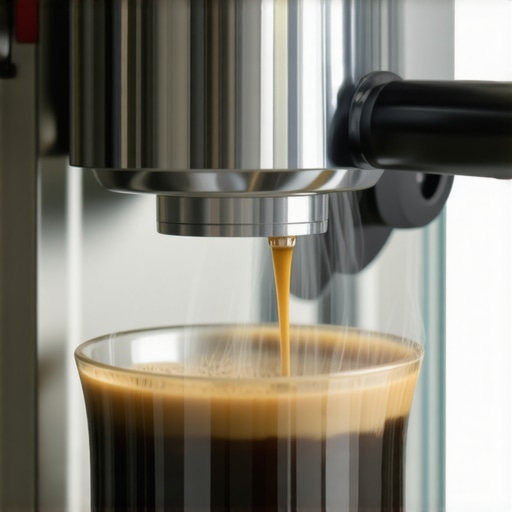
I’ll never forget the moment I pulled a shot with my favorite light roast beans—bright, complex, bursting with flavor—and watched my espresso machine sputter, struggle, and finally choke. It was a frustrating wake-up call that even the best equipment can stumble when faced with certain beans. If you’ve recently faced similar headaches—unsatisfying espresso, long grind times, or inconsistent shots—you’re not alone. Breathing new life into your light roast brews isn’t just about upgrading equipment; it’s about understanding how to tweak your grinder and setup effectively.
Why Your Light Roast Espresso Might Be Causing Your Grinder to Stumble
Light roast beans tend to be denser and more oily, making them trickier to grind evenly. If your grinder isn’t optimized, it can lead to clogging, inconsistent particle size, and ultimately, choking during extraction. Interestingly, according to industry expert David Schomer, light roasts can significantly increase static buildup inside grinders, which contributes to clumping and uneven grinding—causing your machine to choke or slow down considerably. Early on, I made the mistake of simply replacing my grinder without adjusting grind settings or cleaning routines, only to find the problem persisted. Trust me, a proper understanding of these nuances makes all the difference.
Is Fixing Your Grinder Worth It or Just a Waste of Time?
This is a question I get a lot. Honestly, I was skeptical at first—thinking I just needed a fancy new grinder to solve the issue. But after trying several tweaks like adjusting grind size, cleaning static buildup, and experimenting with bean types, I realized that simple fixes could vastly improve my espresso. If you’re tired of wasting light roast beans or dealing with bitter, under-extracted shots, learning these techniques is worth every minute. For more detailed guidance, check out this definitive guide on grinder essentials. Now, let’s dive into the practical solutions that can transform your espresso experience.
Adjust Your Grinder Settings Specifically for Light Roasts
When I faced my stubborn light roast beans, I lowered my grinder’s grind size from medium to fine—almost resembling powdered sugar. This granular adjustment increased surface area contact, facilitating better extraction. To do this, turn your grinder’s dial one or two notches finer, then pull a test shot. If the shot runs too quickly or tastes sour, make it slightly finer; if it chokes or extracts too slowly, go coarser. Remember, each coffee origin and roast level demands a unique tweak. For detailed tips, visit this guide and calibrate accordingly.
Coarse vs. Fine: Find Your Sweet Spot
Think of grinding like tuning a musical instrument—you need just the right pitch. A too-fine grind creates resistance, leading to choked shots; too coarse, and water quickly passes through, resulting in weak flavor. During my last batch, I experimented with small adjustments—finer for denser beans, coarser for lighter ones—until I hit that sweet spot. Use a scale for consistency, aiming for a shot time of around 25-30 seconds. This ensures proper extraction without over-extracting bitter compounds or under-extracting sour notes.
Prevent Static and Clumping Inside Your Grinder
Static buildup is a major culprit in clumping, especially with light roasts. I found that immediately transferring freshly ground coffee into my portafilter reduced static cling significantly. Using a static-reducing tool or even lightly dampening the grinder chamber can help. During a rainy week, humidity increased static, causing my grounds to clump endlessly. To fix this, I applied anti-static sprays designed for kitchen appliances, which noticeably improved grind flow. For comprehensive static control, check out these tactics. Hydration, static management, and proper cleaning are key to smooth grinding.
Master Static-Free Grinding Techniques
One effective method I adopted was periodic tapping of the grinder hopper during grinding—that loosened clumps and prevented jams. Avoid overfilling the hopper to maintain consistent flow, similar to keeping a river clear of debris. I also used a specialized anti-static brush to remove residual coffee particles inside the chamber after every use. These small steps created a measurable difference, decreasing static-related clumping and improving grind consistency.
Clean and Maintain Your Grinder Regularly
A clunky grinder often has residual old coffee or oils that from previous roasts, especially oily light roasts, can clog the burrs. I scheduled a thorough clean every two weeks, removing burrs, and running grinder cleaning pellets through the system. During one cleaning session, I found a thin layer of oily residue that was causing uneven grinding. After cleaning, my shots became more balanced, with better crema and flavor clarity. Regular maintenance not only extends your grinder’s life but also guarantees uniform particle size—crucial for high-quality espresso. For detailed cleaning routines, refer to this comprehensive guide.
Experiment and Record for Best Results
Every bean batch responds differently; therefore, experiment systematically. I kept a log of grind size, tamp pressure, and shot time, which helped me identify the best settings for my light roast beans. Use a consistent routine: tamp with firm pressure, pull shots at the same temperature, and note the outcomes. Over time, this documentation allows you to refine your approach, turning trial-and-error into a precise craft. Remember, patience and meticulous adjustments lead to the perfect espresso shot every time.
Many coffee enthusiasts believe that choosing the right espresso machine or grinder is the key to perfecting their brew. However, current industry insights reveal that there’s more beneath the surface—subtle nuances that can make or break your results. For instance, many assume that all bean-to-cup machines automatically optimize grind and dosing, but in reality, manual adjustments and maintenance are crucial for consistency. Overlooking these details often leads to common pitfalls like inconsistent extraction or flat crema. A frequent myth is that super automatic espresso machines require little to no user intervention; yet, expert baristas know that adjusting settings, cleaning, and calibrating are essential to achieve professional-quality shots. Specifically, neglecting to regularly calibrate your espresso grinder, especially when switching beans or roast levels, can cause taste deviations. According to a study published in the Journal of Food Engineering, even slight variations in grind size and dose can significantly impact extraction efficiency and flavor profile, highlighting the importance of precise adjustments. When it comes to automatic milk frothers, many users believe that they are foolproof, but in practice, milk type, temperature, and frother maintenance greatly influence foam quality. For advanced users, understanding the interaction between these factors enables them to produce barista-level latte art without relying solely on automatic features. One common trap is assuming that newer models are inherently better; yet, older or less popular machines often excel in durability and ease of maintenance if properly calibrated. Do you find yourself defaulting to generic settings without fine-tuning your equipment? If so, you might be missing out on the full potential of your setup. For comprehensive guidance on optimizing each component—from grinders to steam wands—I recommend reviewing dedicated resources like [this in-depth guide to grinder essentials](https://superautomatic.espressotechguide.com/espresso-grinder-essentials-boost-your-coffee-flavor-today). Remember, mastery stems from understanding these hidden details—so don’t settle for mediocrity. Have you ever fallen into this trap? Let me know in the comments.
Maintaining your espresso setup isn’t just about cleaning once in a while; it requires a strategic approach with the right tools and routines to ensure consistent, high-quality brews over the long term. In this section, I’ll share the specific instruments and methods I rely on, along with insights into where this trend is heading.
Prioritize Precision with the Right Calibration Equipment
Calibration is vital to keep your grinder and espresso machine working harmoniously. I use a digital caliper to measure burr gaps precisely when calibrating my grinder, ensuring uniform particle size. This simple tool enables me to reproducibly dial in my grind settings, especially when transitioning between beans or roast levels. Industry leader Baratza recommends regularly verifying burr alignment to prevent uneven extraction, which I find crucial for light roasts that demand fine-tuning. As technology advances, digital calibration apps integrated with grinders are expected to become more commonplace, making adjustments even more accessible.
Invest in Quality Cleaning Devices
Regular, thorough cleaning keeps oils and residue from clogging your equipment. I swear by a dedicated espresso grinder cleaning kit that includes burr brushes and cleaning pellets. These pellets dissolve residues without disassembling the grinder, saving time while preventing static and clumping. For super-automatic machines, descaling is critical—using a certified descaling solution compatible with your model prolongs its lifespan. Moving forward, automated cleaning systems with IoT connectivity are likely to take center stage, offering real-time alerts and scheduling.
Use Detailed Maintenance Logs
Now, I keep a detailed log—note the date, adjustments, cleaning schedule, and any issues. This record helps identify patterns, especially when experimenting with different beans or settings. Digital tools like maintenance apps or even simple spreadsheets simplify tracking, making long-term improvements more manageable. Experts suggest that a disciplined maintenance routine combined with meticulous record-keeping can extend your equipment’s life and improve brew consistency, especially in high-use scenarios.
Incorporate Advanced Tools for Long-Term Success
Beyond basic gear, consider investing in a vacuum pump tool for vacuum-packing beans to maintain freshness, which directly influences extraction quality. Also, a TDS (total dissolved solids) meter can help quantify extraction efficiency, guiding adjustments for optimal flavor. Looking ahead, the integration of smart sensors into espresso machines that monitor variables like temperature stability and grind consistency is poised to become industry standard, enabling even more precise control.
How do I maintain my espresso equipment over time?
Implement a structured routine that includes regular calibration, meticulous cleaning with specialized tools, and detailed logs to track changes and issues. Staying proactive with these practices prevents costly repairs and guarantees excellent brew quality day after day. For comprehensive guidance, check out this resource on grinder calibration tools. Don’t wait for problems to surface—start integrating these tools into your routine now and enjoy the benefits of consistently superior coffee.
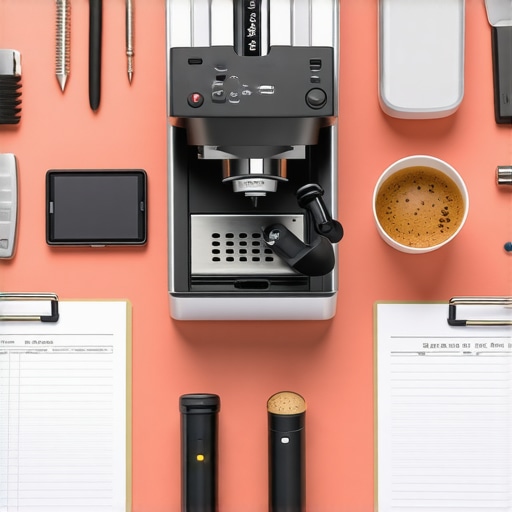
As I reflect on my journey with light roast espresso, one thing stands out—sometimes, the biggest breakthroughs happen through unexpected challenges. I once believed that upgrading my machine was the secret to better shots, but I realized that understanding the intricate dance between beans, grind, and setup unlocks true potential. Embracing patience, meticulous calibration, and a willingness to experiment transformed my brewing experience from frustration to finesse.
What I Wish I Knew When Facing Light Roast Challenges
- I learned that static buildup inside grinders, especially with oily, dense beans, can sabotage consistency. Using static-reducing tools and regular cleaning made a remarkable difference in flow and extraction.
- Adjusting grind size isn’t just about finer or coarser—it’s about responding to each batch’s unique qualities. Small, systematic tweaks lead to noticeably better flavor and shot stability.
- Investing in precise calibration tools and documenting each adjustment turned trial into a science—saving time and ensuring repeatable excellence.
- Static and clumping are common foes; mastering anti-static techniques and proper transfer methods keeps grounds flowing smoothly, preventing choke points during extraction.
- Mastering regular maintenance routines, from burr alignment to cleaning pellets, extends equipment life and guarantees optimal flavor extraction every time.
My Toolbox for Consistent Light Roast Perfection
- High-precision digital calipers for burr calibration—because tiny adjustments create big flavor differences.
- Specialized cleaning kits with burr brushes and pellets—keeping oils and residues at bay for even grinding.
- Humidity-aware tools and anti-static sprayers—fighting static buildup during damp or dry weather cycles.
- Maintenance logs and calibration apps—making it easier to track changes and refine techniques over time.
- Smart sensors and TDS meters—looking ahead to industry innovations that will make perfect brewing more accessible than ever.
Believe in Your Brewing Power and Keep Moving Forward
The future of espresso crafting is rooted in learning the subtle art of setup and maintenance. Small adjustments, persistent experimentation, and embracing the details turn ordinary beans into extraordinary brews. Take charge of your equipment, stay curious, and let each shot teach you something new. Remember, mastery isn’t about perfection—it’s about progress, one flavorful sip at a time.
What’s been your biggest light roast espresso breakthrough? Share your story below and inspire fellow enthusiasts!
![Why Your 2026 Espresso Grinder Burrs Trap Fine Dust [3 Fixes]](https://superautomatic.espressotechguide.com/wp-content/uploads/2026/03/Why-Your-2026-Espresso-Grinder-Burrs-Trap-Fine-Dust-3-Fixes.jpeg)
Jessica Turner
This article really resonated with me, especially the part about static buildup and its impact on grind consistency. I used to think that simply upgrading to a higher-end grinder would solve my light roast challenges, but I realized that maintenance and specific adjustments are key. I’ve started using anti-static brushes and scheduling bi-weekly cleanings, which have noticeably improved my shot quality. What has been your biggest breakthrough in managing static or optimizing your grind for light roasts? I’ve found that small, systematic tweaks really make a difference and help achieve that perfect extraction time without over-complicating the process.