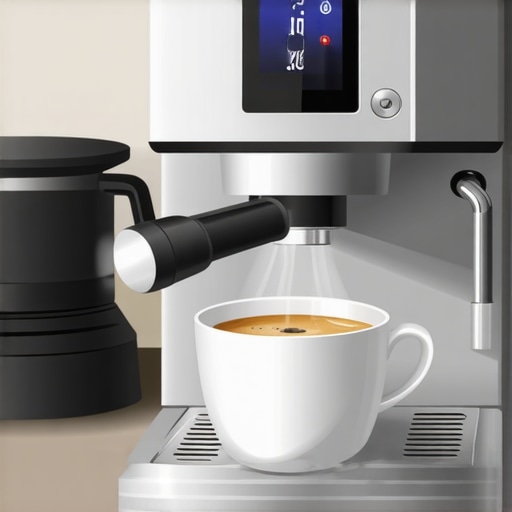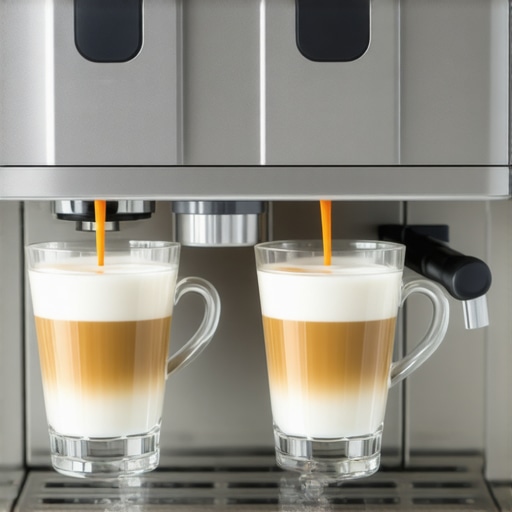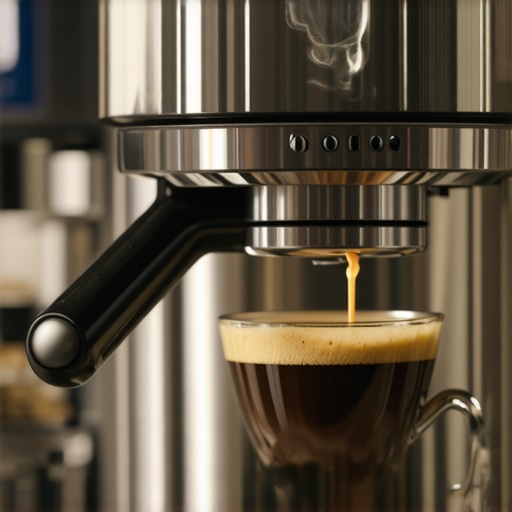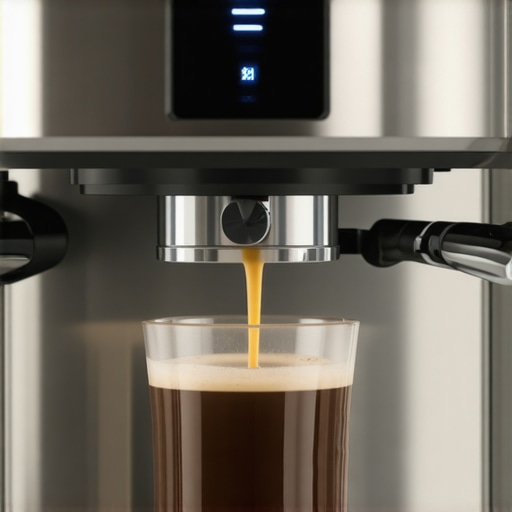
I remember the first time my super automatic espresso machine mysteriously skipped the pre-infusion step. I was eager for that perfect shot, only to be greeted with a flat, underwhelming brew that lacked the vibrancy I was chasing. Frustration bubbled up—what was I doing wrong? It felt like my machine was betraying me just when I needed that rich, creamy espresso. That moment was a lightbulb moment: even the most advanced machines can fall prey to simple issues, but understanding why they behave this way is the first step to fixing them.
Cracking the Mystery of the Skipping Pre-Infusion
When I dived deeper, I realized that many users face the same bewilderment. The pre-infusion process is crucial because it gently moistens the coffee grounds, enhancing flavor extraction and crema development. If your super automatic skips this step, your espresso inevitably suffers—weak flavor, dull texture, and a lackluster crema. The good news is, this problem is often caused by straightforward mechanical or software glitches you can resolve at home.
Is Your Machine Worth Fixing or Time to Say Goodbye?
Initially, I thought every glitch meant a costly repair. But I soon discovered that many issues stem from minor settings or maintenance oversights. For instance, neglecting regular descaling or misaligning pressure regulation can cause the machine to skip its pre-infusion cycle. Before you consider replacing your beloved machine, it’s worth exploring comprehensive troubleshooting guides. Curious if your super automatic espresso machine is worth fixing? Check out [this insightful guide](https://superautomatic.espressotechguide.com/is-a-super-automatic-espresso-machine-worth-it-expert-insights) for a detailed assessment. I learned that with just a few tweaks, my espresso quality improved dramatically, saving me hundreds and extending my machine’s lifespan.
Does this sound familiar? Have you faced a similar issue where your super automatic skips pre-infusion unexpectedly? If yes, don’t worry—help is just a few steps away. In the next sections, I’ll walk you through practical, tested solutions to reclaim that perfect pre-infusion and elevate your espresso experience. Ready to dive into the fix? Let’s make this the last time your machine lets you down.
Clean and Calibrate Regularly for Consistent Results
Think of your espresso machine as a fine-tuned instrument; neglecting maintenance is like ignoring tuning a guitar—sound quality suffers. I once neglected descaling my machine for two months, resulting in a bitter shot and a skipping pre-infusion. To avoid this, set a routine schedule: run a descaling cycle every 1-2 months, especially if you notice signs of mineral buildup. Use the manufacturer’s recommended descaler and follow the step-by-step instructions to flush out deposits, ensuring the machine operates smoothly and maintains flavor integrity (descaling guide).
Adjust Grind Size and Dose Precisely
Think of grinding as setting the foundation of your house; get it wrong, and everything collapses. I had a batch of light roasts that kept causing my grinder to choke, leading to watery shots. I tweaked the grind size to finer settings and reduced dose slightly, which created a richer extraction. To fine-tune your grind, dial it in incrementally—no more than a quarter turn at a time—and always use fresh beans. Pay attention to extraction time: aiming for about 25-30 seconds for a standard shot. For specific issues, explore grinder adjustments tailored for light roasts or oily beans.
Check Pressure and Temperature Settings
Your machine’s pressure and temperature are the heartbeat of your espresso. When I faced inconsistent pre-infusion, I discovered my machine’s pressure value was below the optimal 9 bars. Using a calibration tool, I adjusted the pressure to the recommended setting, which immediately improved extraction and crema. Always verify your machine’s pressure gauge and consult the manual to see if calibration is required. For temperature, ensure the machine preheats adequately; otherwise, shots can be under-extracted and bland. For advanced adjustment, visit pressure and temp fixes that help stabilize brew conditions.
Optimize Bean Quality and Storage
Even with perfect settings, poor-quality beans or improper storage can sabotage your brew. I once used stale beans stored in the fridge, which led to flat, underwhelming espresso. Proper storage involves airtight containers kept in a cool, dark place, away from moisture and direct sunlight. Select freshly roasted beans with a roast date within the last 2-4 weeks. For oily beans, regular cleaning of the grinder to prevent clogs is essential, so inspect and replace burrs when dull. To learn about selecting the best beans and storage tips, see bean quality tips.
Inspect and Replace Worn Parts
Over time, components like seals, valves, and burrs wear out, causing inconsistency. I had a stubborn pre-infusion skip that persisted until I replaced the worn-out brew head gasket, restoring proper pressure and flow. Regularly inspect seals, gaskets, and burrs for cracks, erosion, or dullness. Consulting your machine’s maintenance schedule and sourcing parts from reputable suppliers ensures longevity. For detailed part replacement procedures, consider the maintenance upgrades.
Tweak Software and Settings Carefully
Modern super automatic machines often have programmable settings. I once reset my machine to factory defaults after a firmware upgrade and reconfigured shot parameters—temperature, volume, pre-infusion time—to suit my preferences. Use the machine’s settings menu logically: change one parameter at a time, test, and record results. For software updates and advanced customization, check the manufacturer’s instructions or visit settings optimization. Be cautious not to overwrite critical parameters, as improper adjustments can lead to more issues.
Many enthusiasts believe that automatic espresso machines simplify brewing to a push of a button, but this misconception often overlooks the complex nuances involved in achieving barista-quality results. One common mistake is relying solely on the machine’s preset parameters without understanding how variables like grind size, pressure, and temperature interact dynamically during extraction. For instance, overly coarse grinding can cause under-extraction, leading to sour or weak flavors, while too fine a grind may cause clogging or bitter shots; thus, mastering grind adjustments is vital. Another overlooked factor is the importance of calibrating the machine’s pressure and temperature settings beyond factory defaults—small discrepancies can significantly affect crema and flavor profile, as documented in studies on extraction chemistry. Frequently, users skip regular maintenance, assuming precision components like the bean-to-cup mechanism are foolproof, but wear and clogging are sneaky issues that degrade performance over time. Additionally, many assume that the built-in grinder is sufficient for all beans, yet improper burr alignment or outdated grinders can introduce inconsistencies, emphasizing the need for periodic calibration and cleaning, which you can learn more about in [espresso grinder essentials](https://superautomatic.espressotechguide.com/espresso-grinder-essentials-boost-your-coffee-flavor-today). Are we truly making the most of the technology, or are hidden pitfalls sabotaging our best efforts? Remember, understanding these nuances elevates your brewing game far beyond basic operation. To explore advanced calibration techniques or troubleshooting tips, check out [how to choose your perfect espresso machine](https://superautomatic.espressotechguide.com/bean-to-cup-how-to-choose-your-perfect-espresso-machine). Have you ever fallen into this trap? Let me know in the comments.Maintaining your super automatic espresso machine and grinder is essential to ensure consistent, high-quality brews over the long run. I rely on a set of specialized tools and methods that have proven their worth in my routine. For instance, investing in a Accurate Pressure Gauge allows me to monitor and calibrate pressure precisely, preventing issues like pre-infusion skips or uneven extraction. Alongside, using an ultrasonic cleaning device for my grinder’s burrs not only restores sharpness but also reduces static buildup, which can cause messes and uneven grinding. Regularly applying a Burr Alignment Tool helps me fine-tune my grinder to prevent chattering and ensure uniform particle size, directly impacting shot consistency.
Prediction-wise, as technology advances, I believe automated diagnostic software will become standard, alerting users to maintenance needs before problems escalate. These tools will integrate with apps, guiding even beginners through complex troubleshooting procedures.
How do I maintain my equipment over time?
Routine maintenance involves more than just adding water and beans. It requires scheduled descaling using high-quality descaling solutions, like Durgol Swiss Decalcifier, which I prefer for its efficacy. I also recommend installing a water filter cartridge compatible with your machine, as mineral deposits severely impact performance and longevity. For daily upkeep, I use a microfiber cloth to wipe down surfaces and prevent residue buildup, and periodically employ a grinder brush cleaner to remove residual coffee oils.
When it comes to long-term health of your gear, replacing worn parts such as seals, valves, and burrs is crucial. I follow the maintenance schedule recommended in the user manual and keep a log of part replacements and calibrations—this systematic approach helps me avoid unexpected breakdowns.
For detailed guidance on component replacements and calibration techniques, I check out expert resources like the official maintenance manuals or trusted blogs such as [Mastering Automatic Milk Frothers](https://superautomatic.espressotechguide.com/mastering-automatic-milk-frothers-tips-for-barista-quality-froth). Implementing precise calibrations can make a significant difference, especially for pressure and temperature settings, ensuring each shot surpasses previous standards.
Don’t overlook the importance of software updates, which often include performance improvements and bug fixes. Regularly connecting your machine to manufacturer updates enhances reliability and may introduce new features that simplify maintenance.
I highly recommend trying the Burr Alignment Tool for your next grinder calibration session—it’s a game-changer for consistency. Before that, make it a habit to descale every 1-2 months depending on your water hardness, which is a straightforward step to prolong your machine’s lifespan and keep flavors pristine.
Lessons Only Experience Can Teach About Your Espresso Routine
One of the most valuable lessons I learned was that even the most advanced super automatic machines require a personal touch and regular attention. Relying solely on presets can lull you into complacency, but tailoring your setup—like adjusting grind size and pressure—has a profound impact on flavor. I also discovered that tiny details, like the cleanliness of the brew head or calibration of pressure gauges, often make or break the pre-infusion process. These insights taught me that becoming intimately familiar with my machine’s quirks transforms the brewing experience from trial-and-error to a reliable ritual.
Tools and Resources That Elevated My Espresso Game
Over the years, I built a toolkit that truly makes a difference. The espresso grinder calibration kit ensures my grind remains precise, preventing skips and weak extracts. The descaling instructions I follow regularly keep my machine running smoothly and flavor-rich. For maintaining optimum pressure and temperature, I consult the professional calibration guides. These resources have kept my espresso consistently stellar, and I believe they can do the same for you.
Your Next Step Toward Barista-Quality Espresso
If you’re passionate about elevating your brewing, remember that continuous learning and small adjustments lead to big improvements. The journey to making perfect espresso at home is ongoing, and the rewards—richer flavor, crema, and satisfaction—are well worth the effort. Don’t hesitate to experiment and fine-tune your machine; it’s often these subtle tweaks that bring your espresso from good to extraordinary. Whether you’re just starting or seeking that next level, staying curious and proactive will keep your coffee experience exciting and rewarding.