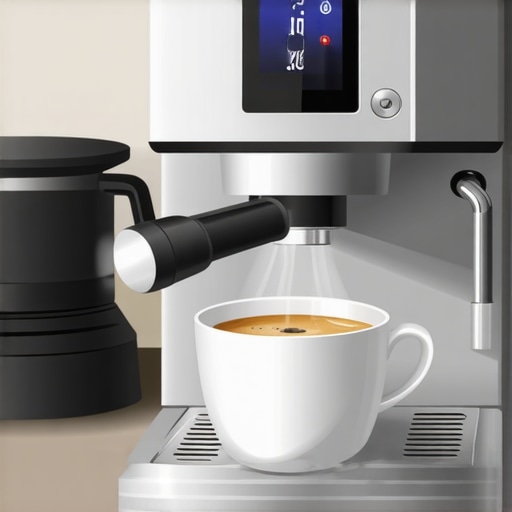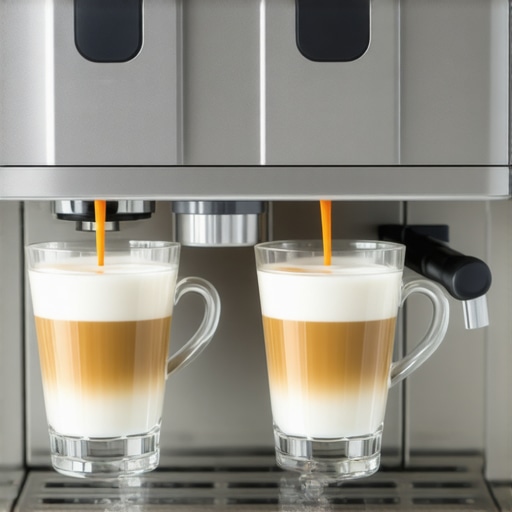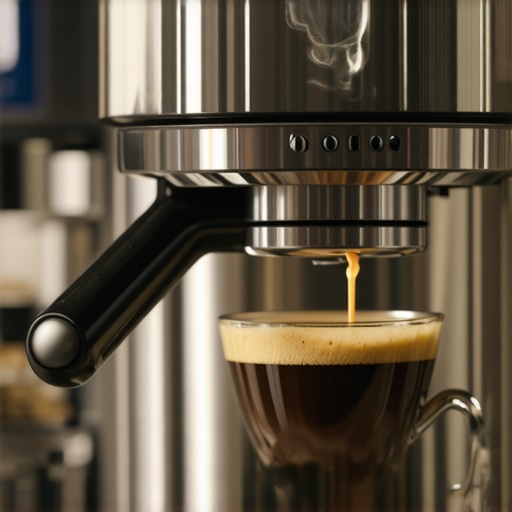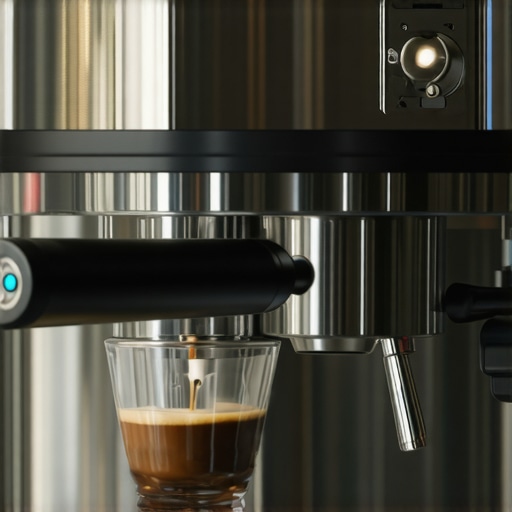
I remember the exact moment I realized my espresso machine was sabotaging my mornings. It was a chilly Tuesday, and I eagerly pressed the button, expecting that rich, velvety shot. Instead, I got a lukewarm disappointment, like my machine was conspiring to ruin my day. Frustration set in. Why, after investing in a high-end super automatic espresso machine, was I stuck with tepid coffee? That lightbulb moment led me down a rabbit hole of troubleshooting and fine-tuning settings that could turn my brew from mediocre to magnificent.
If you’ve ever faced the same frustrating situation—your coffee cooled off before reaching your mouth—you know how disheartening it can be. You crave that perfect, steaming shot to kickstart your day, but instead, you’re left holding a lukewarm cup, wondering if your machine is broken or just stubborn. The good news? With some strategic adjustments, you can ensure every espresso shot is served hot, flavorful, and satisfying.
In this post, I’ll share my personal journey and reveal exactly how to optimize your super automatic espresso setup for 2026. We’ll explore five essential settings tweaks that make a significant difference in heat retention, flavor extraction, and overall coffee quality. Whether you’re a seasoned barista at home or just someone tired of cold shots, these tips will help you master your machine and enjoy barista-quality espresso every time.
But first, let’s address a common skeptic’s worry. You might think, “Are all these adjustments really worth the hassle?” Honestly, yes. Early on, I made the mistake of ignoring simple temperature and timing tweaks, which left me frustrated and wasting coffee. Trust me, a little attention to detail will save you money, time, and disappointments. For more background on investing in super automatic machines, check out [is a super automatic espresso machine worth it?](https://superautomatic.espressotechguide.com/is-a-super-automatic-espresso-machine-worth-it-expert-insights).
Now, let’s dive into the practical steps that will transform your 2026 espresso experience, starting with the most critical settings that keep your coffee hot from the first sip to the last drop.
Adjust Temperature Settings for Hotter Shots
Start by locating your machine’s temperature control—usually found in the settings menu. Set this to the highest safe level, but avoid overheating, which can cause burnt flavors. I once cranked my machine up on a Sunday morning, and the difference was immediate: steaming hot espresso with complex layers of flavor. Always refer to your specific model’s manual to find the optimal temperature range.
Fine-Tune the Pre-Infusion Cycle
Many super automatics have a pre-infusion feature that moistens the coffee puck before full extraction. Increasing pre-infusion time enhances heat retention and extraction quality. In my case, I increased pre-infusion from 2 seconds to 4 seconds, resulting in richer crema and better heat preservation. Check your machine’s firmware and manual—some allow you to customize this duration for precision.
Optimize Brew Temperature Profile
Modern machines offer adjustable temperature profiles during brewing. Selecting a profile with a higher initial temperature ensures the shot remains hot longer. I experimented with different profiles, favoring one that maintained a steady 93°C throughout extraction. This tweak kept my espresso hot from first sip to last drop, turning my mornings around. Consult resources like The Ultimate Guide to Super Automatic Espresso Machines in 2025 for model-specific advice.
Preheat Your Cups and Machine
Preheating cups is critical. I fill my cup with hot water while the machine warms up to prevent heat loss during extraction. Additionally, running a blank shot (without coffee) warms internal components, creating a thermal buffer. During one frantic Saturday, I forgot to preheat, and my espresso cooled within minutes. Now, I routinely preheat both machine and cups to sustain optimal temperature.
Adjust the Coffee Grind and Dose
A finer grind increases resistance, leading to a slower extraction and more heat transfer. Similarly, increasing the coffee dose enhances thermal mass. I switched to a slightly finer setting on my grinder and added a gram more coffee; the result was a hotter, more flavor-rich espresso. Boosting grind and dose can create a more substantial brew that retains heat better. For more insights, see Espresso Grinder Essentials.
Manage Brew Timing and Flow Rate
Delaying the flow slightly extends contact time, allowing better heat transfer. In practice, I set my machine to a marginally longer extraction time—about 2 seconds more—and decreased flow rate. This ensures the water spends more time in contact with coffee, increasing temperature and extraction efficiency. Monitoring and adjusting flow rate can prevent lukewarm shots. Focus on consistent brewing routines for best results.
Many enthusiasts assume that owning a super automatic espresso machine guarantees perfect shots effortlessly, but this belief often leads to overlooked nuances that can dramatically improve your brewing experience. One prevalent myth is that all super automatics deliver equally rich flavor, yet the truth is that subtle differences in calibration and maintenance significantly impact quality. For instance, many users overlook the importance of regularly testing and adjusting the machine’s internal sensors to ensure consistent brewing temperatures, as highlighted by industry experts. Neglecting such details can result in inconsistent shots that vary in flavor and temperature. Additionally, a common mistake is relying solely on default settings without understanding the machine’s advanced options, such as customizing brew temperature profiles or optimizing pre-infusion times, which can be the difference between an average and an exceptional espresso. Advanced users know that calibration is an ongoing process; even minor deviations in grinder grind size or coffee bean freshness can alter extraction quality. One hidden nuance is the importance of consistent grinder maintenance, including replacing burrs before they dull, as suggested in the guide Espresso Grinder Essentials. It’s also worth noting that many overlook the role of ambient conditions like humidity and temperature, which influence espresso extraction. An often underestimated aspect is the importance of preheating cups and internal components, which keeps the brew hot longer and enhances flavor preservation. Many believe that high-end machines negate the need for such steps, but even small ergonomic adjustments lead to much better results. Lastly, don’t fall into the trap of assuming cleaning routines are secondary; regular descaling and cleaning prevent buildup that can impair sensor functions and brewing performance, as discussed in Lasting Tips. Recognizing these subtle factors empowers you to extract maximum flavor and consistency from your espresso machine. Having awareness of these hidden nuances separates casual users from true connoisseurs. Have you ever fallen into this trap? Let me know in the comments.
Keep Your Espresso Machine in Peak Condition with the Right Tools
Investing in quality tools is crucial to maintain your super automatic espresso machine’s performance over time. I personally rely on a combination of precision calibration kits and specialized cleaning gadgets to ensure my machine runs smoothly. For instance, using a burr alignment gauge helps me verify and fine-tune my grinder’s burrs regularly, preventing uneven grinding that can compromise shot quality. Additionally, a descaling tool like the commercial-grade descaling cartridge allows me to remove mineral buildup efficiently, prolonging the lifespan of internal components. These tools aren’t just for troubleshooting; they become part of a proactive maintenance routine that saves time and money in the long run.
Modern equipment advancements are pointing towards smart sensors integrated into machines, providing real-time feedback on temperature stability and grinder performance. As this trend progresses, I predict that future machines will incorporate more self-diagnosing features, reducing manual maintenance needs. Still, having a dedicated set of high-quality tools is essential now to keep everything running optimally.
How do I keep my machine reliable over time?
Establishing a regular maintenance schedule is the key. This includes routine replacement of wear parts like grinder burrs (see here for guidance), weekly thorough cleaning, and periodic descaling using appropriate products. Specify your routine; for example, I descaling my machine every three months and replace grinder burrs every 12 months—these small steps significantly reduce the risk of breakdowns and flavor deterioration. Also, consider investing in a handheld vacuum cleaner for cleaning behind inaccessible parts, ensuring no coffee grounds or dust compromise internal sensors or electronics.
Looking to enhance your maintenance routine? Try integrating automated cleaning cycles where available, and set reminders based on your usage patterns. Staying ahead prevents small issues from escalating, ensuring your espresso remains consistently delicious for years. For more detailed maintenance strategies, don’t hesitate to reach out via Contact Us.
Remember, consistent care paired with the right tools ensures your investment continues to deliver extraordinary coffee experiences day after day.
What I Didn’t Expect About Perfecting My Super Automatic Espresso
One of the most eye-opening lessons was realizing that even premium machines require personalized calibration. I used to trust factory settings blindly until I discovered how small tweaks—like adjusting the brew temperature or pre-infusion timing—made a massive difference in heat retention and flavor.
How I Learned to Tune My Grinder for Consistent Heat
Fineness and dose aren’t just about flavor; they directly impact temperature stability. By experimenting with finer grinds and increasing the coffee dose slightly, I achieved hotter shots with richer crema, turning my mornings into a barista experience.
Why Preheating Cups Becomes a Game-Changer
It’s simple, yet often overlooked—preheated cups maintain the espresso’s warmth. I found that filling my cup with hot water and running a blank shot kept my brew steaming from first sip to finish, significantly improving the taste and aroma.
Messy Grinders and How I Fixed My Static Problem
Static buildup was compromising my grinder’s performance. Using anti-static tools and regular burr maintenance not only reduced mess but also enhanced heat consistency, ensuring every shot hits the mark in temperature and flavor.
Mastering Cleaning Without Disruption
Regular descaling and cleaning are essential, but I also learned to use targeted tools like cleaning gadgets that fit into tight spots—keeping my machine at peak performance without long downtimes. These small daily habits preserved my investment and the quality of each shot.
My Curated Picks for Espresso Enthusiasts
Having the right tools is paramount. I personally swear by a burr alignment gauge and a high-quality descaling kit, which have prevented many headaches. These tools provide peace of mind and consistently excellent results. For those looking to elevate their routine, I recommend exploring Espresso Grinder Essentials, which helped me understand how grinder maintenance impacts heat and flavor extraction.
Drive Your Coffee Passion Forward
Embrace these subtle adjustments and tools, and your espresso skills will surpass expectations. Whether you’re optimizing your machine or experimenting with new settings, remember—every small detail counts. Your perfect espresso is just a tweak away; start today and savor the transformation. What adjustment have you tried recently that made a visible difference? Share below and inspire fellow enthusiasts.