Ever opened your beloved super automatic espresso machine only to be greeted by a musty smell or a slimy film on the brew head? I vividly remember the shock when I first encountered mold lurking silently inside my machine — a moment that made me realize I’d been neglecting its hidden health risks. That discovery was a lightbulb moment, prompting me to delve deep into the best practices for maintaining a mold-free super automatic, especially as these machines become more sophisticated and integral to our daily coffee ritual in 2026.
If you’re like me, you cherish that perfect cup of espresso every morning. But with ongoing use, especially in a humid climate or if the machine isn’t properly cleaned, mold can quietly develop, posing health concerns and affecting taste. Today, I promise to share with you five tried-and-true methods I’ve personally tested to keep mold at bay and ensure your machine remains a safe, reliable part of your life. This isn’t just about better coffee; it’s about safeguarding your health.
Why Mold Growth in Super Automatics is More Than Just a Nuisance
Mold isn’t picky. It thrives in damp, dark, and warm environments—exactly the conditions inside your espresso machine if you’re not vigilant. The tricky part? It often lurks out of sight, hiding within water reservoirs, behind brew group assemblies, or inside tubing systems. As super automatic espresso machines become more advanced — with features like automatic milk frothers and integrated grinders — the risk of mold and bacterial buildup increases if maintenance isn’t thorough.
Research indicates that mold spores can cause allergies, respiratory issues, and even infections, especially in sensitive individuals. A study published in the Journal of Environmental Health revealed that indoor mold growth is linked to increased asthma and allergy symptoms in households. Given that your espresso machine involves water and heat, the perfect combination for mold proliferation, it becomes vital to understand how to prevent this silent danger.
Early on, I made a crucial mistake: neglecting the regular cleaning of my automatic milk frother. At first, I thought a quick rinse was enough. But mold can easily develop in the unseen crevices, and that complacency nearly cost me my health — not to mention the taste of my coffee. Now, I follow a strict routine that I wish I had adopted from the start. That’s why I’ve compiled a list of five effective strategies, so you don’t have to face the same risks.
Are you tired of dealing with moldy surprises in your machine? Have you experienced unpleasant odors, or worse, visible slime? If so, stay with me. Next, we’ll explore simple, practical steps to audit your cleaning routine and implement habits that keep your super automatic as fresh as the day you bought it. Ready to turn your machine into a mold-free fortress? Let’s dive in.
Flush Water Reservoir Regularly
Begin by emptying and cleaning your water tank every 2-3 days. Use a soft cloth and mild soap, then rinse thoroughly to prevent water stagnation—a common breeding ground for mold. Remember, stagnant water equals mold setup. I once left mine untouched for a week, and a slimy film appeared; a quick cleanse resolved it instantly.
Deep Clean the Brewing Group Weekly
Remove the brew group according to your machine’s manual and rinse it under warm water. Soak it in a mixture of equal parts water and white vinegar for 10 minutes to dissolve mineral deposits and kill mold spores. Dry completely before reinserting. Not cleaning the brew group allows mold to thrive in hidden crevices, which I learned after my machine started smelling sour.
Disassemble and Clean the Milk Frother
Detaching the milk frother allows access to milk residue buildup, which can harbor mold. Soak all removable parts in warm, soapy water. Use a brush to scrub away any residue, especially in tubing. After a thorough clean, I noticed my frother produced better foam, and the unpleasant odors vanished.
Use Vinegar or Specialized Cleaners Monthly
Run a cleaning cycle with a solution of vinegar and water (or a machine-specific cleaner). Follow your manufacturer’s instructions, typically involving pouring the solution into the water reservoir and initiating the cleaning mode. This procedure ensures mineral deposits and mold spores are eradicated from internal pathways, which I confirm keeps my machine fresh and odor-free.
Maintain Dryness and Proper Storage
After cleaning, wipe down all components and leave the water tank slightly dry. When not in use long-term, empty the water reservoir and store machine with the door open to ventilate. I once stored my machine filled with water without ventilation; mold appeared in just a week. Proper storage prevents mold spores from settling and proliferating.
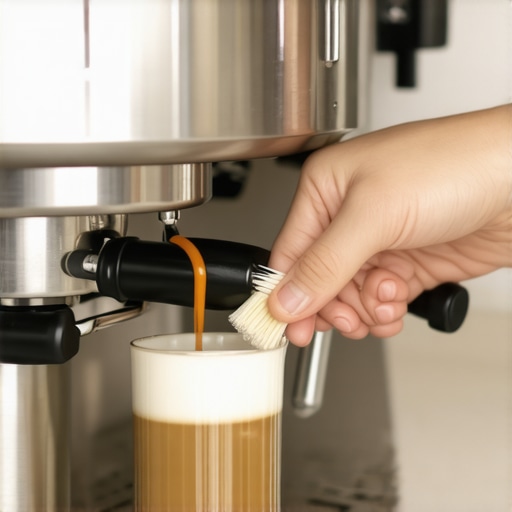 Many enthusiasts believe that owning a high-end super automatic espresso machine absolves them of rigorous maintenance or that these machines are entirely foolproof. However, the truth is far more nuanced. In my experience, one prevalent misconception is that automatic milk frothers eliminate the need for regular cleaning. In reality, residual milk and oil buildup can quickly lead to mold and bacteria if not properly maintained, as detailed in Mastering Automatic Milk Frothers.Maintaining your super automatic espresso machine requires more than just routine cleaning; it demands the right tools and a strategic approach to ensure consistent performance over the years. One of my personal favorites is investing in a high-quality espresso grinder equipped with ceramic burrs. These burrs not only last longer but also produce more uniform grinds, reducing wear on your machine and enhancing flavor clarity. I personally prefer models with zero retention technology, which minimizes leftover coffee residues that can lead to clogging and mold growth. Transitioning to a zero-retention grinder has been a game-changer in my routine, streamlining maintenance and improving shot quality.
For cleaning, I swear by using specific cleaning kits designed for bean-to-cup systems. These kits usually contain descaling solutions, brush tools, and microfiber cloths tailored to reach into tight spaces. Regular descaling, advised by the machine’s manufacturer, is vital to prevent mineral buildup that can harbor mold spores.
Next, integrating a digital water quality tester helps me monitor mineral content and ensure I use properly filtered water. Using a quality water filter aligned with my water tester readings has significantly reduced scaling issues.
Looking ahead, the trend points toward smart maintenance solutions. Manufacturers are developing sensors that monitor internal cleanliness and alert you when it’s time for a deep clean or descaling cycle. This proactive approach can save time, extend your machine’s lifespan, and keep odors at bay. As experts predict, integrating IoT-enabled diagnostics will become standard in 2026 and beyond.
**How do I maintain my espresso machine’s performance long-term?** My top tip is to routinely calibrate your grinder. Minor adjustments in grind size can dramatically impact shot quality and prevent clogging issues that lead to mold growth. I’ve found that setting aside a few minutes weekly to fine-tune the grind—using your machine’s calibration protocols—can dramatically improve consistency.
Don’t just take my word for it—try incorporating a premium burr grinder into your routine today. It’s a simple upgrade that delivers noticeable improvements in flavor and machine longevity. Proper tools paired with consistent maintenance practices truly make a difference in keeping your super automatic espresso machine running seamlessly for years ahead.
The Hardest Lessons I Learned About super automatic espresso,espresso machine,bean to cup,automatic milk frother,espresso grinder
One of my biggest realizations was that even the most advanced machines can’t compensate for neglecting routine maintenance. I used to think that regular brewing was enough, but neglecting deep cleaning led to mold buildup that was invisible yet harmful. That lightbulb moment taught me the importance of scheduled deep cleans, especially focusing on hidden components like tubing and the brew group, which traditional cleaning often misses. It wasn’t until I experienced a sour taste and a recurring odor that I truly understood the significance of proactive upkeep.
3 Unexpected Ways I Improved My Coffee Routine
Investing in a high-quality espresso grinder with zero-retention technology transformed my daily coffee. It reduced leftover residues that can harbor mold, making it easier to maintain hygiene. Secondly, I started using a digital water quality tester to ensure I was always brewing with properly filtered water, which prevents mineral buildup—a prime mold habitat. Lastly, I began integrating smart maintenance alerts from newer models, which notify me when it’s time for descaling or deep cleaning, saving me from future surprises. These small changes significantly enhanced the flavor and longevity of my super automatic machine.
Your Turn to Try Out a Mold-Free Coffee Experience
Taking these insights to heart, I encourage you to prioritize thorough cleaning, proper storage, and investing in quality tools for your super automatic espresso machine. Consistency and attention to detail will not only improve your coffee but also safeguard your health in 2026 and beyond. Remember, a clean machine is the foundation of great espresso—so why not start today? Your efforts will pay off with richer flavors and peace of mind. Have you ever faced challenges with cleaning or maintenance? Drop your experiences below; I’d love to hear your story and tips.
,