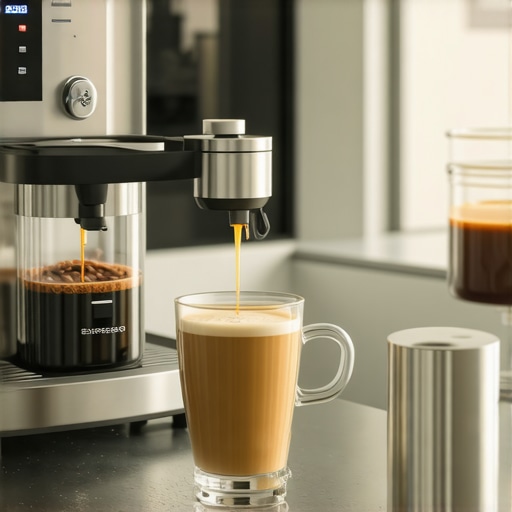
I vividly remember the day I finally decided to replace my outdated home espresso setup. I had just finished a long day of work, craving that perfect cup of coffee to unwind. I eagerly pressed the start button on my old machine, only to be greeted by a stubborn grind, incomplete extraction, and a disappointed sigh. That moment was a lightbulb for me—if I was going to enjoy barista-quality espresso at home, I needed something smarter, more reliable, and truly user-friendly.
Now, fast forward to 2025. The landscape of super automatic espresso machines has transformed dramatically, offering features that even a few years ago seemed impossible for home use. But with so many options, how do you choose the best one for your needs? And more importantly, how can you avoid wasting money on a machine that doesn’t deliver? Today, I’ll guide you through the key factors to consider when selecting a super automatic espresso machine for your home and share personal insights to help you make an informed choice.
Why Investing in the Right Espresso Machine Matters
Quality coffee isn’t just a luxury—it can be a daily ritual that sets the tone for your entire day. Having an espresso machine that consistently makes your favorite drinks can save you time, money, and trips to the local café. Plus, with advances like integrated grinders, automatic milk frothers, and customizable settings, modern machines can finally bring barista-level quality into your kitchen. But here’s the catch: choosing the wrong machine can lead to frustration, inconsistent results, and wasted money. I learned this the hard way early in my coffee journey, making the mistake of buying a cheap model that promised the world but delivered mediocre espresso and complicated cleaning routines. If you’ve faced a similar dilemma, know you’re not alone.
Research indicates that the number of households investing in high-end coffee equipment has grown exponentially, with many embracing bean-to-cup technology for its convenience and flavor preservation (source: Superautomatic Espresso Guide).
So, what should you look for in 2025? How do you find a machine that balances ease of use, customization, and durability? Let’s explore some burning questions and tips that will help you navigate this exciting upgrade.
Is a super automatic espresso machine really worth the hype?
At first, I was skeptical about investing in a super automatic model, fearing it might be a fancy gadget that would break down or underperform. But I quickly discovered the importance of choosing a reputable brand with good reviews. Early on, I made the mistake of overlooking the importance of maintenance routines, which led to clogged valves and bitter coffee. Since then, I’ve learned that understanding the machine’s inner workings or opting for models with self-cleaning features can make a big difference.
For a comprehensive overview tailored to 2025’s market leaders, I recommend checking out the detailed comparison at Best Machines in 2025. It helped me avoid some costly pitfalls and find a machine that fits my lifestyle.
Now, with this foundation, let’s dive into the steps that will guide you toward your ideal espresso companion.
Choose Your Perfect Espresso Machine
Start by pinpointing your priorities: Do you value quick operation over customization? (I once grabbed a sleek model at a local store, only to find its preset options limited.) Look for machines with reliable reviews that emphasize durability and consistency. Visit this guide for top picks in 2025. When I selected my machine, I focused on models with self-cleaning features, which saved me hours of maintenance.
Select a Quality Grinder
Your espresso’s flavor hinges on the grind. Think of the grinder as the foundation of a house—without a solid base, everything collapses. I made the mistake of ignoring this, ending up with uneven grounds that clogged my machine. Invest in a burr grinder with adjustable settings, and learn to fine-tune it for different beans. Check out this guide for detailed tips. A good grinder ensures even extraction, giving your espresso that vibrant aroma and rich flavor.
Master Your Bean Selection
Quality beans are non-negotiable. Visit reputable roasters or local shops, and ask about freshness and roast profiles. Store beans in an airtight container away from light to maintain their character. Experiment with different origins to find your preferred flavor profile. Remember, fresh beans ground just before brewing make all the difference—similar to sharpening a blade for a clean cut. For guidance, explore this resource.
Perfect Your Milk Frothing Technique
Automatic milk frothers simplify this process, but mastering the technique enhances quality. Think of frothing milk as sculpting—controlled, thoughtful movements create the perfect microfoam. Start with cold, fresh milk, and set your frother to the appropriate temperature. Use a tumbler to observe the foam’s consistency; aim for silky, velvety texture, not large bubbles. I once over-steamed milk, resulting in a scorched taste—lesson learned: patience is key. For expert tips, visit this guide.
Fine-Tune Your Technique and Routine
Consistency comes from practice. Pay attention to variables like tamp pressure, shot duration, and milk temperature. Use a timer to monitor extraction time—aim for 25-30 seconds for a standard espresso. Over time, you’ll notice patterns and potential issues, like under-extraction or bitterness. I debugged my process by logging each shot, adjusting variables until I consistently achieved the flavor I desired. Remember, small adjustments make a big difference—think of it as tuning a musical instrument. For detailed troubleshooting, refer to this comprehensive review.
Maintain Your Equipment Regularly
Proper cleaning prolongs the lifespan and keeps flavors pure. Schedule weekly descaling and cleanings, using manufacturer-approved solutions. Keep grinders free of residual oils, and wipe down steam wands after each use. I once ignored a clogged steam wand, which led to inconsistent frothing. A quick wipe afterward saves headaches later. Set reminders if needed, and familiarize yourself with your machine’s maintenance routines via this page. Regular upkeep ensures your investment continues to serve up barista-grade beverages for years to come.When it comes to espresso equipment, many enthusiasts buy into myths that can hinder their brewing success. A common misconception is that more expensive machines inherently produce better espresso—which isn’t always true. The reality is that sophisticated features do not guarantee perfect results unless you understand their nuances and limitations. For example, a super automatic espresso machine might promise effortless brewing, but if you overlook the importance of regular maintenance or don’t calibrate the grinder properly, your coffee can suffer in flavor and consistency. Understanding these subtle factors is crucial to truly elevating your home barista game.
Another frequent mistake involves assuming that all grinders are suitable for espresso. Many buyers opt for cheap blade grinders, thinking they can substitute for burr grinders. However, inconsistent grind sizes from blade grinders can lead to over- or under-extraction, resulting in bitterness or sourness. Investing in a quality burr grinder and learning to fine-tune it is a small step that makes a big difference. For detailed guidance on this, check out this expert resource.
A more advanced point often overlooked is the timing of extraction. Many believe that longer extraction always yields more flavor, but over-extraction actually introduces bitterness. Achieving the perfect shot involves balancing grind size, tamping pressure, and extraction time—something even seasoned baristas continuously fine-tune. Knowing how to read and adjust these variables is key to mastering espresso. A good rule of thumb is aiming for a 25-30 second shot; anything longer or shorter can negatively impact taste. If you’re serious about this, I recommend exploring this in-depth guide.
Why do so many people struggle despite good equipment? It’s often because they focus solely on equipment specs without understanding the underlying techniques and nuances. For instance, an automatic milk frother can produce foam, but getting microfoam that’s suitable for latte art requires skillful micro-texturing. It’s not just about pushing a button—it’s about controlling temperature and steam hand positioning. Mastering these skills transforms your coffee from average to exceptional.
Remember: the devil is in the details. Regular calibration, paying attention to grind consistency, timing, and technique are what separate the average home barista from the professional. Are you guilty of skipping any of these steps? Let me know in the comments. Let’s dig deeper into these hidden nuances to refine your espresso craft.
Investing in quality espresso equipment is just the beginning; maintaining it properly ensures consistent performance and extends its lifespan. My personal routine involves a combination of regular cleaning, timely descaling, and thoughtful upgrades. For example, I use a compact ultrasonic cleaner to thoroughly clean my grinder burrs quarterly, which significantly improves grind consistency and flavor extraction. This tool, often overlooked by home baristas, allows for deep cleaning without disassembling the entire grinder, saving time and avoiding damage. You can explore advanced maintenance tools like this at the privacy policy page. Additionally, I schedule monthly descaling with manufacturer-approved solutions to prevent mineral buildup that can clog valves or alter water temperature, both critical for optimal extraction. Incorporating a scheduled maintenance routine minimizes breakdowns and keeps your espresso tasting as fresh as the day you first brewed it.
How do I maintain my espresso machine over time?
Maintaining your espresso machine, especially high-end models with integrated grinders and automatic milk frothers, requires understanding specific care routines. For super automatic espresso machines, I personally recommend following a detailed cleaning schedule that includes flushing the brewing unit, descaling, and replacing water filters regularly. My preferred method involves using a descaling powder recommended by the manufacturer, combined with running the cycle twice—first with the solution, then with clean water—to clear internal pipes and valves effectively. This process not only preserves the machine’s performance but also safeguards against component wear. Furthermore, keeping the milk frothing system spotless by wiping and running a cleaning cycle after each use prevents bacteria buildup and ensures silky microfoam every time. Experiment with these methods, especially the descaling routine, to see noticeable improvements in your espresso quality. Try combining these practices with high-quality tools like an automatic milk frother for perfect microfoam—your future self will thank you.
The Unexpected Lessons Behind Perfecting Your Home Espresso
One of the most profound revelations I had was realizing that even the most advanced espresso machine can’t compensate for inconsistent grind quality or rushed preparation. It’s tempting to rely solely on high-tech features, but the truth is, mastering the basics—like calibrating your grinder and paying attention to extraction timing—was what truly elevated my coffee game. I discovered that deepening my understanding of each component’s role and resisting the urge to shortcut maintenance routines transformed my daily brew from decent to consistently outstanding.
Another lesson I learned early on was that more expensive equipment isn’t a magic wand. Instead, thoughtful investment in tools like a precision burr grinder and routine calibration made a tangible difference. The subtlety, such as adjusting tamp pressure or water temperature based on bean type, taught me that brewing espresso is as much an art as it is a science—an insight often overlooked in generic guides. Embracing this nuanced approach unlocked flavors and textures I hadn’t thought possible at home.
Lastly, I realized that patience and intentional practice were irreplaceable. Rarely does a perfect shot happen by accident. Spending time refining my routine, documenting each step, and making incremental adjustments fostered consistent quality and deepened my appreciation for this craft. These lessons, born from trial, error, and persistence, helped me go beyond the hype and truly enjoy my espresso experience—trust me, it’s worth every effort.
My Essential Tools for Reaching Espresso Mastery
- Trusted Coffee Beans: I rely on specialty-grade beans from local roasters who prioritize freshness. Their warmth in the bag and detailed roast profiles have consistently delivered superior flavor.
- Quality Burr Grinder: A good grinder isn’t optional. I swear by my grinder with adjustable burrs, which lets me dial in grind size for different beans. For expert guidance, check out this resource.
- Precision Thermometer and Tamping Mat: These small tools give me control over extraction variables, helping me achieve that perfect balance of bitterness and acidity.
- Maintenance Supplies: Regular descaling solutions and ultrasonic cleaners keep my equipment running smoothly. My routine includes monthly deep cleans using recommended products, detailed in this page.
- Educational Resources: Continuous learning through reputable guides and watching expert tutorials has been invaluable. I especially appreciate content that emphasizes technique over technology, like this in-depth guide.
Turn Your Coffee Dreams Into Reality Today
Remember, the journey to exceptional home espresso isn’t a sprint—it’s a mindful adventure. With patience, consistent practice, and the right tools, you can enjoy barista-quality coffee right in your kitchen. Every cup becomes a reflection of your growing mastery and passion. So go ahead, experiment graciously, and savor the process as much as the outcome. Your perfect espresso awaits—are you ready to elevate your home brewing game? If you’ve faced unique challenges or uncovered your own secrets along the way, I’d love to hear about your experiences in the comments below.
Emma Johnson
Reading through this comprehensive guide really resonated with my own journey into home espresso brewing. I vividly remember my initial frustration with inconsistent shots, especially before I invested in a quality burr grinder—it’s such a game-changer. I also found that mastering the timing and tamp pressure was crucial; it’s a fine balance that even seasoned baristas constantly tweak. One thing I’ve recently started doing is keeping a shot log to identify patterns and improve my technique systematically. It’s fascinating how small adjustments yield significantly better flavor.
Out of curiosity, has anyone experimented with different water temperatures or pre-infusion techniques to enhance their espresso flavor? I’ve heard that such nuances can really bring out the beans’ character, but I’d love to hear practical tips or experiences from other enthusiasts looking to refine their craft.
Daniel Rodriguez
This post really hits home on how important selecting the right machine is and not just going for the latest tech without understanding its core functions. I used to believe that expensive meant better, but I quickly learned that maintenance and understanding your equipment are what truly matter. I recently upgraded to a super automatic machine with a built-in grinder, and the difference in flavor and convenience is remarkable. However, I did run into issues with mineral buildup, which affected performance until I adopted a strict descaling routine.
Since then, I’ve been experimenting with different brew temperatures and pre-infusion timings to elevate my coffee even further. I found that pre-wetting the grounds helps with more even extraction, especially with darker roasts. Do others here also tweak temperature or pre-infusion to enhance flavor? I’d love to hear different approaches or any tips on fine-tuning these variables for optimal taste without risking over-extraction.