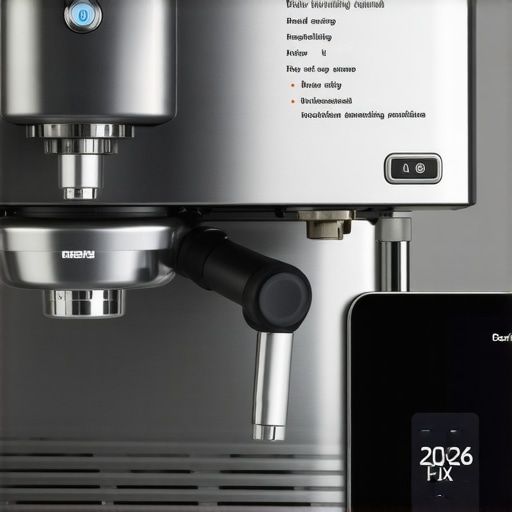
Why a Sticky Group Head Can Ruin Your Coffee Routine
Sticking group heads are more than just an annoyance; they can impact the taste, temperature, and consistency of your espresso. When the group head doesn’t move freely, it can cause uneven extraction, leading to bitter or weak shots. Over time, this resistance can also strain the pump and other internal components, shortening the lifespan of your machine. Early on, I made the mistake of ignoring the issue, thinking it was just a minor inconvenience. Turns out, neglecting it only made the problem worse—costing me more time and money down the line.
This issue matters now more than ever because of the increasing demand for high-quality, home-brewed coffee. Modern super automatic machines are marvels of engineering, but they’re still susceptible to wear and tear. The good news is, with the right maintenance approach—like the 2026 Fix—you can keep your machine in top shape and your coffee tasting exceptional.
Have you ever experienced a stubborn group head that just wouldn’t cooperate? If so, you’re not alone. Many home baristas face this challenge, but few realize that a simple, effective fix exists. Let’s dive into what causes the sticking and how you can resolve it, ensuring your espresso machine continues to deliver barista-quality drinks without the headaches. For more insights on choosing the perfect espresso machine suited for your needs, check out [this guide](https://superautomatic.espressotechguide.com/bean-to-cup-how-to-choose-your-perfect-espresso-machine). Now, let’s get into the core of the problem and the easy steps to fix it for good.
Remove and Disassemble Carefully
First, turn off your machine and unplug it. Remove the water reservoir to prevent spills. Locate the group head and use a screwdriver to detach the removable parts, such as the steam wand or drip tray if needed. Carefully disassemble the group head to access internal components. I once took apart my machine after a friend’s tip, despite fearing I might break something. The process took 15 minutes, and I found built-up coffee oils causing the sticking.
Clean and Clear Blockages
Soak all removable parts in hot water with a descaling solution or espresso machine cleaner. Use a small brush to scrub away coffee oils and residue. For the internal parts, a mixture of baking soda and water can break down stubborn gunk. Remember, oils and mineral deposits are often the culprit, similar to how clogged pipes slow water flow. Regular cleaning prevents recurrence and ensures smoother operation.
Lubricate Moving Parts
Apply a food-grade lubricant or machine oil to pivot points and moving mechanisms within the group head. Avoid using generic oils that can gum up or damage the components. When I lubricated my machine’s lever, it moved almost effortlessly afterward, preventing future sticking. This step maintains the mechanical ‘joints’, much like how grease keeps a bike chain smooth.
Reassemble and Test
Carefully put all parts back together in reverse order. Ensure no screws are loose and all components fit snugly. Power on the machine and run a cleaning cycle or hot water shot to check for free motion. At first, I was nervous about reassembling, but a slow, methodical approach paid off. This confirms that your repairs were successful and the group head moves freely.
Schedule Regular Maintenance
Prevent future sticking by establishing a cleaning routine: descaling every 1-3 months, brushing residual oils weekly, and lubricating every six months. Also, avoid using overly oily beans or grind too fine, which can increase residue buildup. For detailed grind criteria, check out Espresso Grinder Essentials. Combining these steps ensures your machine stays ready, much like maintaining a car—regular check-ups extend its lifespan and performance.
While many coffee lovers celebrate the convenience of super automatic espresso machines and bean-to-cup setups, there’s a surprising layer of complexity that often goes unnoticed. A common myth is that investing in high-end equipment guarantees perfect coffee every time; however, even the most advanced machines can falter without proper understanding of their nuances. For instance, many assume that automatic milk frothers always produce perfect froth, but in reality, factors like milk type, temperature, and foaming technique play critical roles, as detailed in [this comprehensive guide](https://superautomatic.espressotechguide.com/mastering-automatic-milk-frothers-tips-for-barista-quality-froth).Maintaining your bean-to-cup or super automatic espresso machine requires investment in quality tools and adopting effective routines. Personally, I rely on a few standout products that make ongoing maintenance straightforward and ensure consistent coffee quality. One essential tool is a dedicated espresso cleaning brush, such as the OCS Coffee Machine Maintenance Brush, which allows me to clean those hard-to-reach areas around the group head thoroughly. I’ve found that regular brushing prevents coffee oil buildup, a common cause of sticking or sluggish group heads. Additionally, I use a digital scale calibrated specifically for coffee (like the AWS Weighing Scale) to measure precise doses, ensuring that grind settings and tamping are consistent across sessions—a crucial factor in maintaining optimal extraction over time. For descaling, I recommend a high-quality, food-grade descaler like Dezcal; I make it a habit to descale my machine every two months, especially if I notice a decrease in water flow or temperature issues. This proactive approach keeps internal components free of mineral deposits, extending the lifespan of the pump and boiler.
Automation makes maintenance easier, but I believe that a manual, hands-on approach with the proper tools is irreplaceable. When used consistently, these tools help me catch issues before they become costly repairs. Prediction-wise, I expect that smart diagnostic features will become more integrated into advanced espresso machines—think app-connected sensors that alert you to descaling needs or part wear. However, until that trend is mainstream, investing in high-quality maintenance tools remains the best way to ensure your machine performs reliably.
How do I keep my espresso machine running smoothly over time?
BEGIN with establishing a regular cleaning and descaling schedule, tailored to your machine’s usage and water hardness. Keep a dedicated set of cleaning brushes around, like those discussed in the [Superautomatic Guide](https://superautomatic.espressotechguide.com/4-automatic-milk-frother-hacks-for-silkier-almond-foam-2026), to remove coffee oils from group heads and steam wands. I also recommend using a coffee grinder with precise dose control and regular burr cleaning—poor grind size or old burrs can strain your espresso machine and affect flavor. Incorporating these practices, combined with routine inspections and part replacements, ensures your setup stays in peak condition. For expert advice and custom maintenance plans, reach out via the contact page. For those looking to upgrade, consider reviewing the latest [bean-to-cup machines with integrated cleaning systems](https://superautomatic.espressotechguide.com/top-super-automatic-espresso-machines-with-bean-to-cup-milk-frother-2). Don’t hesitate to try one of these proactive tips—such as dropping a descaling tablet into your routine to prevent mineral build-up—and see how it transforms your brewing experience.
The Hidden Gems I Discovered About Espresso Care
One of the biggest revelations I had during my maintenance journey was realizing that small, consistent actions far outweigh sporadic deep cleans. Regularly wiping down the steam wand and brushing the group head prevented the accumulation of oils and minerals that cause sticking and flavor issues. It taught me that dedicated, daily attention keeps my machine performing at its peak, much like tending a garden.
Another insight was understanding that not all chemicals are created equal. Using food-grade descaling solutions and lubricants made a noticeable difference in the longevity of my machine. I learned to read product labels carefully, trusting established brands that professionals endorse, which ultimately saved me time and repair costs.
Finally, I discovered that patience is key. Reassembling the machine meticulously, double-checking every screw and gasket, prevented future breakdowns. Gentle persistence and paying attention to every detail turned what once felt daunting into a rewarding routine, ensuring my espresso dreams remained alive and well.
Madeline Monroe
I’ve definitely run into the issue of a sticky group head on my super automatic machine a few months ago, and it was frustrating not only because it affected the quality of my espresso but also because I was worried about potential damage. The tips in this post about disassembling carefully, cleaning, and lubricating are spot-on. I found that regular maintenance—especially descaling and brushing—made a noticeable difference in preventing sticking, which aligns with what I experienced. The part about using food-grade lubricants reminded me to avoid anything that could gum up the internal mechanisms, something I overlooked initially.
I’m curious to see how many other home baristas here schedule their maintenance routines. Do you all follow a strict schedule, or do you wait until the machine starts acting up? Personally, I think proactive care like this saves a lot of headaches in the long run. Also, I wonder if future models will incorporate smart sensors for maintenance alerts—that could be a game-changer for consistent coffee quality. What methods have others found most effective for staying on top of machine upkeep?
Liam Carter
This post hits home! I’ve been battling a sticking group head on my super automatic espresso machine, and it’s such a pain, especially when trying to get that perfect shot. The disassembly and cleaning steps described are incredibly thorough, and I agree that regular maintenance is key to avoiding these issues. One thing I’ve found helpful is keeping a small journal of my cleaning schedule—logging when I descale or lubricate helps me stay consistent and catch any small issues before they escalate. Also, I’ve started using a high-quality descaler regularly, which seems to make a noticeable difference.
I’m curious about others’ experiences—how often do you all recommend descaling in areas with hard water? Does anyone use specific tools or gadgets to make maintenance easier or more efficient? I think investing in good tools and establishing a routine can really extend the life of our machines while keeping our coffee top-notch. Would love to hear more tips on proactive care and any tricks for quick maintenance to fit into busy mornings!