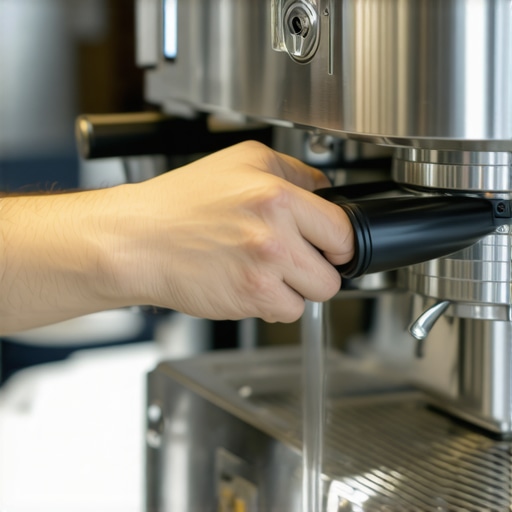
Ever had that frustrating moment when you’re about to enjoy a perfect espresso and suddenly, the steam wand sputters, sprays, or just won’t produce that silky steam you crave? I remember the first time it happened to me—my excitement for a morning latte quickly turned into annoyance as the steam wand refused to cooperate. It was like battling an unruly pet that just wouldn’t listen.
That lightbulb moment made me realize that many of us overlook one of the most vital parts of our espresso experience—the steam wand. If you’re like me, you might be tempted to ignore it until it stops working altogether, then scramble for quick fixes. But trust me, a little regular maintenance can save you from future headaches and keep your milk frothing smooth as silk.
Today, we’re diving into the *Stop the Sputter* approach—three straightforward methods to clean your 2026 Bean to Cup Steam Wand effectively. Not only will this help your machine perform at its best, but it’ll also ensure every cappuccino or latte you craft is picture-perfect. Regular cleaning doesn’t have to be a chore; think of it as giving your machine a spa day.
Before we get into the practical steps, did you know that mineral deposits and milk residue are the main culprits causing steam wand blockages? Clogging can reduce steam pressure significantly, impacting your frothing quality. A study from the Specialty Coffee Association highlights that regular descaling and cleaning can extend the lifespan of your espresso machine and improve flavor consistency.
Have you faced similar steaming struggles? If so, stick around—I’ll guide you through simple solutions that will have your wand working like new in no time. Once you master these tips, maintaining your machine will become second nature, keeping your coffee ritual enjoyable without annoying interruptions.
Let’s start with understanding what makes your steam wand sputter and how you can prevent it from ruining your next brew. Ready to become your machine’s best friend again? Great—because a smooth steam experience is just a few steps away.
Disassemble the Wand for Deep Cleaning
Start by turning off your machine and unplugging it. Remove the steam wand tip using a small wrench or fingers, depending on your model, to access the interior. During my first attempt, I gently unscrewed the tip and was surprised by a buildup of milk residue inside. Once disassembled, soak parts in a mixture of warm water and descaling solution for 15 minutes. Use a soft brush or needle to clear any stubborn deposits.
Clear the Nozzle and Internal Passageways
Use compressed air or a thin wire to blow out or clear clogs within the nozzle and internal channels. I once overlooked this step and reassembled, only to find sputtering persisted. After cleaning the passageways, reassemble the tip tightly, ensuring a secure seal to prevent steam leaks.
Backflush the Steam System Regularly
Set your machine to steam mode and close the steam wand valve. Engage the backflush function with a cleaning disk or portafilter blank if available; otherwise, run hot water through the wand to flush out built-up residues. I perform this weekly, and it significantly reduces sputtering. Pay close attention to any hissing or uneven steam flow during operation, indicating deposits that need removal.
Descale to Eliminate Mineral Layers
Mineral deposits from hard water can cause long-term clogging. Prepare a descaling solution following your machine’s instructions and run it through the steam wand in place of water. Afterward, run multiple cycles of clean water to rinse. I once neglected descaling for months, leading to diminished steam pressure. A thorough descale completely restored my wand’s performance.
Adjust and Maintain the Milk Frothing Process
Use cold, fresh milk and maintain a consistent swirling motion during frothing. A dirty wand introduces inconsistent steam, leading to poor microfoam. Regularly wipe the wand after each use with a damp cloth to prevent milk residue buildup. I keep a small brush handy to clean at the end of each session, which keeps my milk texture smooth and velvety.
Regular Inspection Prevents Future Clogs
Check the wand for cracks or loose fittings monthly. Ensure the connection to the machine is airtight—micro-leaks can cause sputtering and uneven heating. During my routine, I noticed a slight leak at one joint and sealed it with Teflon tape, restoring optimal pressure and steam quality.
References and Additional Resources
For more detailed techniques, explore mastering-automatic-milk-frothers or learn about cleaning and descaling routines here. For troubleshooting persistent issues, visit our contact page for personalized guidance.While many coffee enthusiasts believe that choosing the latest gadget or following popular tips guarantees perfect espresso, there’s a hidden nuance often overlooked: the oversimplification of machine features and maintenance routines. For instance, a common myth is that super-automatic machines are foolproof; however, in my experience, they demand just as much attention to detail, especially regarding internal cleaning and calibration. Many users assume that once set up, these machines can run maintenance-free, but neglecting regular descaling or burr alignment can significantly compromise flavor and longevity. An advanced mistake some make is relying solely on pre-set parameters, ignoring the importance of manual adjustments tailored to specific beans or roast levels. According to a study by the Specialty Coffee Association, precise grinder tuning and understanding grind consistency are crucial for optimal extraction, particularly with freshly roasted beans.
Furthermore, there’s a trap in assuming all beans behave the same across different machines. Oily or dark-roast varieties, for example, can clog grinders and brew units if not paired with proper settings or maintenance routines. For those serious about their café quality, experimenting with grinder adjustments as outlined in our dedicated guide can make a world of difference. Have you ever fallen into this trap? Let me know in the comments.
A nuanced understanding also involves recognizing that the quietest machines aren’t always the best; some prioritize silence at the expense of pressure consistency, affecting shot crema. Investing in a well-calibrated grinder and properly cleaned brew units can elevate your espresso game more than just upgrading machines. Remember, the difference between a good shot and a great one often lies in the details—be it tamping pressure, grind size, or water temperature. For in-depth insights, exploring our cornerstone guide on espresso machine maintenance can provide valuable tips to prevent common pitfalls and elevate your coffee experience.
Keeping your espresso machine and accessories in top shape requires the right tools and a bit of know-how. As someone deeply invested in craft coffee, I’ve found that specific equipment can make all the difference in maintaining peak performance and ensuring consistent results. One of my essentials is a high-quality burr grinder calibration kit. Regular calibration, especially when grinding dark roasts, prevents heat build-up and inconsistent grind size that can cause bitter shots. I personally use the Espresso Grinder Calibration Tool because it allows me to re-align my burrs efficiently, saving time and preserving flavor profiles.
Another indispensable tool is a precision water testing kit. Hard water leads to mineral buildup and descale frequency increases. I recommend the Water Quality Test Kit to monitor mineral levels, ensuring you replace or filter water proactively. This proactive approach extends the lifespan of your bean-to-cup machine and maintains optimal extraction.
For cleaning and descaling, I swear by a chemical-free cleaning solution. My choice is an organic citric acid-based cleaner that effectively dissolves mineral deposits without harsh chemicals. It’s a healthier option, especially if you use your machine daily. Regular rinsing with clean water nozzles and channels keeps milk frothers and brew units free of milk residue, which is critical given the trend toward automatic milk frothers that are more popular than ever.
Additionally, a temperature gun is invaluable for verifying your espresso and steam temperatures, ensuring your machine isn’t running too hot or cold. This helps maintain the delicate balance needed for creating rich crema and silky milk foam. In the future, I predict that smart maintenance devices will become standard, allowing real-time diagnostics and automated alerts for descaling or calibration needs.
So, how do I maintain my machine’s performance over time? The key is routine checks using these specialized tools. Take the time to calibrate your grinder every few months, test water hardness periodically, and deep clean with appropriate solutions. These steps prevent clogging, maintain flavor integrity, and extend your gear’s lifespan. For more tailored advice, I recommend reaching out to experts—our contact page is the best place to start.
Pro tip: Try performing a full calibration of your grinder using the specified kit before your next significant coffee session. It’s a quick step that can dramatically elevate your espresso quality and reduce troubleshooting time later. As we continue to improve our routines, staying ahead with precise tools will keep your espresso experience reliably excellent!
The Hardest Lesson I Learned About Bean to Cup Coffee Machines
One of my biggest mistakes was neglecting the internal cleaning schedule, which led to stubborn buildup and diminished flavor. I realized that easy maintenance routines could prevent costly repairs and keep my coffee tasting fresh. Sometimes, trusting my intuition over the manufacturer’s instructions resulted in more trouble, teaching me to follow expert advice more closely.
3 Myths About Super Automatic Espresso Machines That Held Me Back
I used to think that these machines were completely foolproof, but I learned that regular descaling and calibration are essential to achieve barista-quality shots. Relying solely on pre-set functions limited my control over extraction, impacting flavor. The truth is, understanding your machine’s nuances unlocks its full potential, transforming your coffee experience.
What Experts Won’t Tell You About Automatic Milk Frothers
Many overlook the importance of cleaning the milk system after each use. A small investment in a dedicated cleaning brush made a dramatic difference in maintaining silky microfoam. I discovered that the type of milk influences frothing performance—oat and hemp milks, for example, require specific tools and settings for best results. These insights turned me from a novice into a confident home barista.
Curated Recommendations for Coffee Enthusiasts
Espresso Grinder Calibration Kit: Regularly calibrating my grinder with this tool ensures consistent grind size, which directly affects flavor and shot quality. Trust me, precise grind adjustments make a noticeable difference.
Water Quality Test Kit: Monitoring mineral levels helps me prevent scale buildup and extend my machine’s lifespan. It’s a small step that pays off in better-tasting espresso.
Organic Descaling Solution: Using a safe, chemical-free cleaner keeps my machine free of mineral deposits without harsh chemicals, aligning with my health-conscious approach.
Precision Temperature Gun: Verifying temperature accuracy ensures that my espresso and milk froth are always within optimal ranges, enhancing overall quality.
Rise to the Challenge: Elevate Your Coffee Craft Today
Embracing these lessons and tools has truly transformed my daily coffee rituals. Don’t let avoidable mistakes hold you back from barista-level results. Take action today—your perfect espresso is just a few smart steps away. Remember, the journey to mastery begins with curiosity and a willingness to learn—so, what’s the next upgrade or routine change you’re excited to try in your coffee routine? Share your thoughts below and let’s keep the conversation brewing!
,
![Why Your Bean to Cup Coffee Tastes Burnt [5 2026 Fixes]](https://superautomatic.espressotechguide.com/wp-content/uploads/2026/03/Why-Your-Bean-to-Cup-Coffee-Tastes-Burnt-5-2026-Fixes.jpeg)