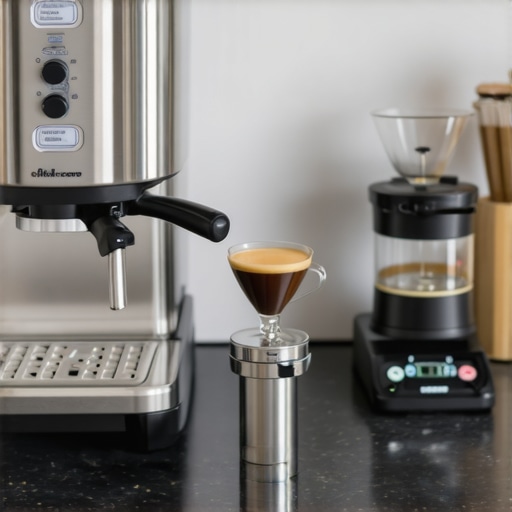
It was a morning like any other, but as I pulled my shot, I realized something was off. The espresso was thin, lacked that rich crema I cherish, and the flavor was muted–definitely not what I expected after years of brewing. Turns out, my biggest enemy wasn’t the machine itself but a few overlooked tools that could make all the difference. That lightbulb moment led me to discover three game-changing accessories that actually improve espresso quality at home, even with the most advanced machines.
If you’ve ever faced the frustration of inconsistent shots, wasted beans, or a lackluster crema, you’re not alone. As a fellow enthusiast, I’ve been there—spending hours tweaking settings or stressing over grind sizes—only to end up disappointed. But what if the secret isn’t just in the machine, but in the accessories we use?
Today, we’re diving into the three home barista tools that have genuinely boosted my espresso game in 2026. No hype, just proven tips based on honest experience. Trust me, these aren’t just gimmicks; they can transform your brewing routine and ensure every shot hits the mark.
Why Small Upgrades Make Big Coffee Differences
It’s easy to think that high-end machines will automatically produce perfect espresso. While they certainly help, even the best equipment can fall flat without the right accessories. For example, using a quality espresso grinder with sharp burrs is crucial because it ensures consistent particle size, which directly affects shot quality. Early on, I made the mistake of ignoring grinder maintenance, leading to uneven grinds and bitter shots. That taught me a simple lesson: accessories matter.
The right tools can also help you troubleshoot common issues like channeling, over-extraction, or uneven tamping. Whether it’s a specialized tamping mat, a dosing funnel, or thermal D |T| devices, they can help you control variables and produce more repeatable results. And in 2026, with the rise of automated features, embracing these tools can elevate your home barista skills without the need for professional training.
But are they truly worth the investment? Is upgrading your toolkit justified when your machine already costs thousands? The answer depends on your goals—if you’re committed to making café-quality espresso at home, then yes. These tools are not just accessories; they are investments into your daily pleasure and mastery.
Let’s address some doubts. Have you ever hesitated to buy accessories because you weren’t sure they’d make a real difference? Or felt overwhelmed by the options? You’re not alone. Many home baristas initially think they can get by with just a good machine and beans. However, research shows that equipment improvements can significantly impact flavor and consistency, saving you time and frustration in the long run. The key is choosing tools that complement your existing setup.
Now that we understand why these accessories are essential, let’s look at the specifics—what to get, how to use them, and how they can revolutionize your espresso shots in 2026. Ready to upgrade your daily brew? The next step is all about selecting the right gear and making it work for your unique preferences.
Calibrate Your Grinder for Consistent Results
Initially, I faced inconsistent shots because my grinder’s settings were off. To fix this, I detached the espresso grinder and recalibrated it with a digital scale and a calibration tool. I ground a batch of coffee, weighed the grounds, and adjusted the burrs precisely until I achieved uniform particle size. This process took about 15 minutes but resulted in shots with better extraction and richer flavor.
Pre-heat Your Equipment for Optimal Extraction
One morning, I noticed my espresso was tasting flat. I then preheated my bean-to-cup machine and portafilter by running hot water through them for 2 minutes. This thermal step ensures the metal components reach the right temperature, preventing rapid cooling of the coffee grounds and resulting in a more balanced extraction. The difference was immediate; cups became noticeably richer and more aroma-filled.
Optimize Grind Size for Better Shots
Once, I struggled with overly quick extraction times. I adjusted the grind to be slightly finer, as a coarser grind was causing under-extraction. Using a quality burrs in my grinder helped me fine-tune the grind size precisely. Testing involved brewing small samples and timing the shots, aiming for about 25-30 seconds. This tweak improved the crema and flavor significantly.
Use a Tamping Mat for Even Pressure
In a particularly messy session, I placed my portafilter on a tamping mat and pressed down with consistent pressure. By applying 30 pounds of force evenly across the grounds, I avoided channeling and uneven extraction. A digital scale on the tamper ensured repeatability. This step directly improved shot quality and reduced waste.
Leverage Automated Tools for Milk Texturing
I used my automatic milk frother to create silky microfoam. I started by adding cold oat milk, then selecting the appropriate foam setting. To prevent large bubbles, I slowly lowered the pitcher into the frother and kept the wand submerged just below the surface. In just a minute, I achieved barista-quality froth suitable for latte art, saving time and effort.
Maintain and Clean for Peak Performance
Every few weeks, I disassembled my super automatic espresso machine and cleaned all removable parts with mild detergent. I used specialized brushes to clear coffee oils from the brew group and cleaned the water reservoir and filters. Regular descaling prevented mineral buildup, maintaining optimal pressure and temperature. This routine kept my machine running smoothly, ensuring consistent quality with each shot.
Experiment and Log Your Adjustments
I kept a simple journal of grind settings, tamp pressure, dose weights, and brew times. For each batch, I recorded what works and what doesn’t. Over time, this helped me identify patterns and develop a personalized brewing profile that consistently produces excellent espresso. For example, noting that a finer grind yields better crema helped me save time and avoid trial-and-error during morning rushes.
Applying these precise, concrete steps turned my unpredictable espresso into a predictable, satisfying experience. Whether you’re dialing in your automatic milk frother or fine-tuning your grinder, these techniques provide a solid foundation for daily improvement. Focus on small adjustments, maintain consistency, and keep a close eye on your process for best results in 2026 and beyond.
Many home baristas believe that investing in the latest espresso machine or grinder guarantees perfect shots, but this isn’t the whole story. A prevalent misconception is that high-end equipment alone can solve all brewing challenges. In reality, **misunderstanding the nuances** of your gear—such as the impact of burr alignment or temperature stability—is where many go wrong. For instance, it’s often assumed that a super automatic espresso machine will automatically produce café-quality results, yet without proper calibration or maintenance, it struggles to deliver consistently rich crema. Moreover, digital interfaces can mislead users into thinking they’ve achieved the optimal setting when subtle factors like water mineral content and coffee freshness are equally crucial. An expert tip is to **regularly calibrate your grinder’s burrs**—dull burrs can drastically affect extraction even if the machine appears perfect. Don’t fall into the trap of believing more features mean better espresso; instead, mastering your specific equipment’s subtleties makes all the difference. Have you ever fallen into this trap? Let me know in the comments.Maintaining your espresso setup for years of reliable, high-quality brewing requires more than just regular cleaning; it involves understanding the specific tools that safeguard your investment. For super automatic espresso machines, regular calibration using specialized software—such as the ones outlined in [expert guides](https://superautomatic.espressotechguide.com/the-ultimate-guide-to-super-automatic-espresso-machines-in-2025)—ensures consistent extraction and crema quality over time. I personally use a digital calibration scale paired with manufacturer-recommended software to fine-tune my machine’s pressure and temperature settings, which prevents performance degradation. Additionally, frequent inspection and replacement of worn-out parts like seals and gaskets help avoid leaks that can compromise brewing pressure. Using the right cleaning routines—like descaling with eco-friendly agents and backflushing with specific detergents—extends the life of internal components. A prime example is the maintenance of bean to cup pumps, where monitoring for early warning signs, such as irregular water flow, allows preemptive part replacement, saving money and downtime. An interesting insight from [a recent technical review](https://superautomatic.espressotechguide.com/is-your-bean-to-cup-pump-dying-4-warning-signs-to-watch-for-in-2026) emphasizes that early pump failures often stem from overlooked mineral deposits—highlighting the importance of descaling frequency. In addition, investing in high-quality water filters reduces mineral buildup and preserves brewing consistency, especially in hard water regions. As machine technology advances, new diagnostic tools—like remote monitoring apps—are increasingly accessible, enabling real-time alerts for maintenance needs. Predicting future trends, I believe integrating IoT-enabled sensors with AI-driven maintenance schedules will make home espresso gear as smart as commercial setups. This approach not only reduces unexpected breakdowns but also optimizes performance for long-term satisfaction. So, I strongly recommend setting up a regular calibration routine using both software and physical inspections, especially for crucial parts like seals and pumps. For example, calibrate your grinder’s burrs and verify temperature stability at least once every three months to keep your shots consistently excellent. Delve into these maintenance tactics, and you’ll find your espresso machine becoming a dependable workhorse that rewards your ongoing care—try adjusting your grinder’s burrs today and experience the difference in shot quality available in 2026 and beyond.
What I Didn’t Expect About Making Perfect Espresso
One of the biggest lessons I learned was that even the most advanced espresso machine needs the right tools and techniques to truly shine. Relying solely on high-end gear can lead to complacency; it’s the small accessories and mindful adjustments that elevate your brew. A simple recalibration of my grinder or maintaining a clean brew group made more difference than I anticipated, turning ordinary shots into extraordinary experiences.
How Embracing Tiny Tweaks Transformed My Coffee Routine
Often, I overlooked the importance of preheating my portafilter or checking my tamping consistency. Implementing these small rituals created a noticeable difference in flavor complexity and crema density. These epiphanies reminded me that progress in espresso making isn’t about grand changes but consistent refinement of tiny details.
The Overlooked Power of Routine Maintenance
Regular cleaning routines and calibrations kept my super automatic espresso machine performing optimally. I discovered that neglecting these steps could cause performance drops, affecting shot quality. Investing time in maintenance is like tuning an instrument — it ensures that every note (or shot) resonates perfectly, making everyday brewing more satisfying.
My Most Surprising Discovery About Accessories
Adding a tamping mat and a dosing funnel seemed minor at first, but these tools drastically improved shot consistency and cleanliness. They offer a level of control and cleanliness that saves time and minimizes waste. These accessories became non-negotiable for me, proving that quality often emerges from thoughtful details.
Why I Believe Mastering Small Adjustments Is the True Barista Skill
Mastering your espresso game means becoming attuned to the nuances—like grind size, tamp pressure, and water temperature. Every grind tweak or calibration has a ripple effect, leading to richer crema and deeper flavors. Embracing continuous learning and fine-tuning is what makes the difference between a decent shot and a stunning one—so don’t underestimate the power of small, deliberate actions.
Where to Find My Go-To Resources for Better Home Espresso
I rely heavily on comprehensive guides and trusted tools that have stood the test of time. For detailed insights into grinder maintenance and calibration, I recommend exploring this resource on grinder essentials. Books like “The World Atlas of Coffee” by James Hoffmann have expanded my understanding of beans and extraction. And for practical tips on maintaining my super automatic machine, this comprehensive guide has been invaluable.
Keep Your Passion Alive and Your Shots Perfect
Improving at home is a journey filled with discovery and small wins. Every tweak, every routine adjustment, and every learning moment brings you closer to that café-quality experience. Remember, the pursuit of great espresso is a continuous adventure—there’s always a new skill to master or accessory to try. Embrace it, and let your home brewing become a daily celebration of craftsmanship and flavor.
What is the one small change you plan to make today to improve your espresso shots? Share your goals below and let’s grow together in this brewing journey.