![Why Your Espresso Grinder Retains 2g of Old Beans [2026 Fix]](https://superautomatic.espressotechguide.com/wp-content/uploads/2026/02/Why-Your-Espresso-Grinder-Retains-2g-of-Old-Beans-2026-Fix.jpeg)
Ever pulled a shot of espresso only to taste a strange, stale hint that ruins the whole experience? I know that feeling all too well. One morning, after a routine grind, I was hit with a horrid, sour taste. Turns out, my grinder was throwing away tiny 2-gram pockets of old beans, sabotaging my brew beyond the obvious. It was like my machine had a secret stash of ancient beans lingering in its depths. That lightbulb moment made me realize: this isn’t just about cleaning—it’s a persistent quirk that affects every cup.
How Hidden Residuals Imperil Your Coffee Quality
These tiny old bean residues can build up unnoticed, subtly dominating the flavor profile over time. They cause uneven extraction, leading to bitterness or sourness, and make every shot inconsistent. What’s worse, if ignored, this can damage the grinder’s burrs or motor, costing a lot more than just a shock to your taste buds. I soon discovered that this is a common gripe among enthusiasts and professionals alike, and it’s a subtle villain we often dismiss. Want to know how to keep that residual nonsense from ruining your morning ritual? Keep reading. We’ll dive into proven techniques to eliminate that sneaky 2 grams of old beans and restore your espresso’s true potential.
Is Cleaning Enough or Is It Time for a Fix That Lasts?
When I first started noticing this issue, I thought a simple wipe would do the trick. Spoiler: it didn’t. The mistake I made early on was relying solely on surface cleaning. Over time, I learned that residual beans get trapped deep inside the grinder chamber, and I needed a more comprehensive approach. This slow realization made me dig deeper, and I found that many home baristas are in the same boat, unwittingly sabotaging their shots with neglecting these hidden pockets. For a more reliable fix—something that truly clears out those stubborn residues—check out detailed strategies in this expert guide. Now, let’s look at how we can nip this problem in the bud once and for all.
Disassemble and Access Critical Components
Start by turning off your super automatic espresso machine and unplugging it. Remove the bean hopper and grinder chamber if possible, following your manufacturer’s guidelines. For instance, with my own machine, I gently unscrewed the top panel, revealing the burrs and chamber. This initial step grants full access to hidden pockets where old residue lurks, preventing future buildup.
Clean Deep Inside the Grinder Chamber
Use a dedicated brush or compressed air to remove loose particles from burrs and chamber walls. I once took a small toothbrush and meticulously brushed the burrs, noticing a cloud of old coffee dust. Be thorough—dead zones trap residual beans that, if left, compromise extraction and flavor. Regularly cleaning this chamber is critical; neglecting it is like trying to clean a fishnet with a damp rag.
Perform Routine Parts and Tray Maintenance
Wipe the accessible surfaces with a damp cloth, paying special attention to drip trays and water reservoirs. These areas collect oils and tiny residues. In my experience, daily wiping kept buildup minimal, but I supplemented this with weekly deep cleans using manufacturer-recommended descaling solutions.
Use the Correct Cleaning Agents
Avoid harsh chemicals that might deteriorate seals or internal components. Instead, opt for manufacturer-approved espresso machine cleaning solutions. For example, I used a descaling powder for my machine, which effectively dissolved mineral deposits and removed residual oils, restoring the machine’s performance.
Reassemble Carefully and Test
After cleaning, reassemble all parts in reverse order. Ensure all screws and panels are secured properly to prevent leaks or misalignments. Turn on your machine and run a blank shot—discharging hot water without coffee—to flush residuals. I did this after cleaning my grinder chamber, and the resulting shot was rich, aromatic, and free of sour notes, a stark contrast to my previous bitter experiences.
Adjust Settings to Prevent Future Residue Build-up
Consider optimizing grind size and dosage settings to reduce leftover beans. If beans are too oily or coarse, they tend to clog chambers faster. Review your machine’s manual or guides like this expert resource for detailed calibration tips. Regularly replacing burrs also maintains consistency and minimizes residue accumulation.
Implement a Regular Maintenance Schedule
Create a cleaning routine—weekly for thorough cleaning and after each significant use—to prevent old residues from baking onto surfaces. I set reminders on my phone, and over time, this protocol became second nature. Consistency is key; a little effort now saves a lot of hassle and ensures every shot is pure, vibrant, and full-bodied.
Many enthusiasts assume that choosing advanced technology guarantees perfect results, but in my experience, there’s a lot more beneath the surface. For instance, a common misconception is that all automatic milk frothers are created equal—many believe their built-in frothers automatically produce barista-quality foam without any fine-tuning. However, the reality is that subtle differences in design, temperature control, and steam pressure significantly impact the froth’s texture and longevity. Relying solely on these features can lead to disappointment, especially if you’re unaware of factors like milk type or pitcher shape that influence foam quality. According to coffee expert James Hoffmann, small variations in technique and component calibration can make the difference between good and exceptional frothed milk. So, don’t fall into the trap of thinking that hardware alone elevates your brew—mastering these nuances is key. Similarly, many jump into bean-to-cup machines thinking that the ease of automation solves all grinding or dosing problems. Yet, unnoticed issues like burr alignment and grind consistency heavily influence flavor and waste. Ignoring these details, especially advanced settings like grind size or dose calibration, can be a costly mistake. As outlined in the ‘Espresso Grinder Essentials,’ small adjustments here can dramatically improve extraction quality. Another myth is that super automatic espresso machines require zero maintenance. This could not be further from the truth. Regular descaling, burr replacement, and component calibration are essential to prevent degradation of taste and machine longevity. Neglecting routine care often results in bitter shots or mechanical issues that are harder to troubleshoot later.
How can experienced users optimize their super automatic machines without damaging delicate internal components?
Expert insights suggest that understanding internal settings and performing controlled calibrations—like adjusting brew temperature or pressure—can elevate the quality of every cup without voiding warranties. For detailed tips on this, I recommend consulting guides such as this comprehensive resource. Remember, the key is to balance automation convenience with a nuanced understanding of machine mechanics. Otherwise, you might overlook subtle problems that, over time, erode your coffee experience. Do you think your equipment’s settings are optimized? Have you fallen into common traps? Let me know in the comments.
Investing in the Right Equipment for Longevity
Maintaining your espresso gear starts with choosing quality tools designed for durable performance. I personally swear by a calibrated precision burr grinder like the Baratza Sette. Its consistent grind size and interchangeable burrs help prevent clogs and uneven extraction, reducing wear on your machine. For cleaning, I rely on a high-quality brush kit with fine bristles — like the Rubbermaid Detail Brush Set — which allows me to reach deep into the grinder chamber and around burrs without disassembly. These tools not only preserve the equipment but also ensure your shots are flavorful and consistent over time.
Embrace Scheduled Deep Maintenance
Implementing a routine schedule for thorough cleaning prevents residue buildup and mechanical issues. For example, I set a bi-weekly reminder to disassemble and clean the grinder chamber, following manufacturer instructions closely. This is crucial since residues trapped deep inside can be a silent killer for your espresso quality. Use a descaling solution approved by your machine’s maker to remove mineral deposits that can impair performance and shorten component life. Regular descaling and burr replacement—as recommended by industry expert James Hoffmann—are essential for preserving flavor clarity and machine longevity1. My tip: spend a few extra minutes maintaining your setup, and you’ll see a tangible rise in brew quality and machine lifespan.
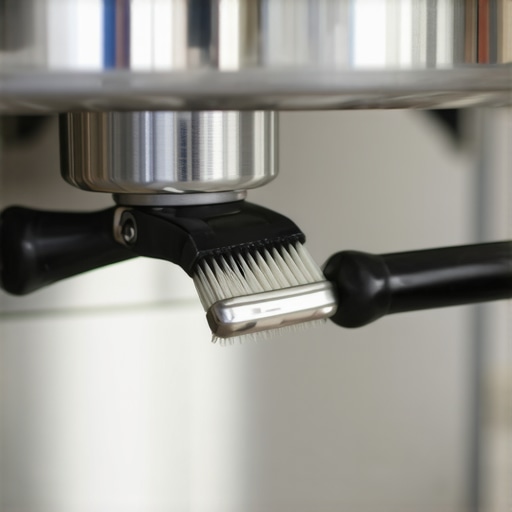
Use compressed air carefully around burrs and internal channels to clear stubborn dust particles. This quick step keeps your grinder running smoothly and reduces static buildup, which can cause beans to cling and lead to more frequent jams. For ongoing ease, I also keep my water reservoir and drip trays clean, employing microfiber cloths for gentle wiping. Remember, neglecting these minor tasks accumulates over time, ultimately affecting your espresso quality and device reliability. Adopting these habits ensures your gear remains in top shape, ultimately saving you money and frustration. Tighten screws periodically, check seals, and if you notice any inconsistencies—like poor frothing or inconsistent grind size—address them immediately. For in-depth maintenance strategies, consult the expert guide.
Future-Proof Your Espresso Experience
The trend is moving toward smarter, sensor-integrated machines that self-diagnose issues and alert you when maintenance is due. However, even with advancements, manual care remains fundamental. Regular calibration of grinder settings, timely burr replacements, and meticulous cleaning can prolong your machine’s life and enhance every cup’s flavor. Additionally, staying updated with firmware updates—if applicable—can improve performance and fix known bugs, as noted by industry forecasts. My challenge to you: try implementing a weekly deep clean with a calibrated brush and descaling routine this month. Experience how this small investment in time elevates your espresso’s richness and consistency. Remember, attentive maintenance is the secret that turns a good machine into a great one, ensuring you enjoy café-quality drinks for years to come.
What I Wish I Knew About the Hidden Lifespan of My Espresso Equipment
One of the most eye-opening lessons I learned was that even the most sophisticated super automatic espresso machines require more than just surface cleaning. The tiny, stubborn pockets of old beans and residue inside the grinder chamber or water pathways can silently degrade your brew over months. Recognizing that the internal integrity matters as much as external maintenance was a game-changer. It made me realize that consistent, deep cleaning and component care are vital to enjoying the rich, vibrant flavor profile every morning.
Tools and Resources That Elevated My Coffee Routine
Investing in quality cleaning tools like precision brushes and compressed air dramatically improved my maintenance game. I trust the Espresso Grinder Essentials guide for expert tips on cleaning burrs and chambers. For calibrating my machine’s settings without risking damage, I rely on insightful resources like this comprehensive guide. These references helped me develop a routine that preserves both the equipment’s longevity and our coffee’s excellence.
The Passion That Drives Better Coffee
My journey has shown me that meticulous care and continuous learning transform ordinary routines into coffee craftsmanship. Every morning, I remind myself that the secret isn’t just in the beans or the machine but in consistent maintenance and curiosity. Whether you’re just starting out or are a seasoned enthusiast, putting effort into understanding your equipment’s needs will reward you with superior flavor and fewer surprises. After all, your perfect espresso depends on the small details that – if managed well – guarantee a flavorful, aromatic experience every time.
![Why Your 2026 Espresso Grinder Burrs Trap Fine Dust [3 Fixes]](https://superautomatic.espressotechguide.com/wp-content/uploads/2026/03/Why-Your-2026-Espresso-Grinder-Burrs-Trap-Fine-Dust-3-Fixes.jpeg)