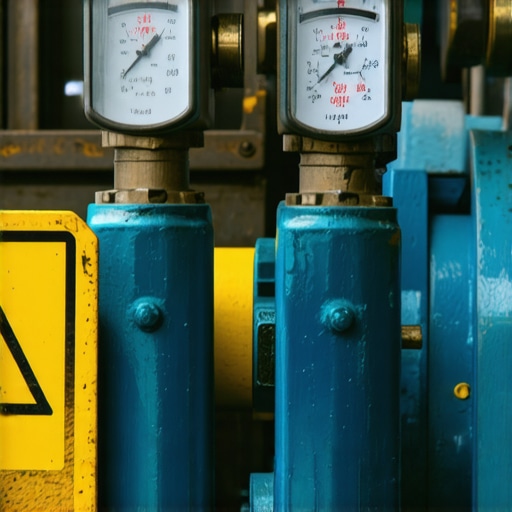
It was late Sunday afternoon, and I was eagerly preparing my favorite espresso, only to be met with a frustrating lack of pressure. The pump whined louder than usual, and suddenly, my perfect crema was replaced with an uneven, thin foam. I realized that my trusty super automatic espresso machine was showing signs of trouble, and I had to act fast. That lightbulb moment made me wonder—how many subtle signals had I ignored that indicated my pump was struggling? If you’re like me, you’ve probably experienced that sinking feeling when your machine isn’t performing as it should, especially when you rely on it daily for that perfect cup.
Why Your Pump’s Pressure Matters More Than You Think
The pressure pump is the heart of your espresso machine. It controls the water flow, ensuring that your coffee grounds are extracted properly. Once the pump starts losing pressure, everything else can go awry—flavors become dull, shots are inconsistent, and the machine’s lifespan shortens. From personal experience, I learned that even a slight dip in pressure can cause a cascade of issues, making it harder to get that barista-quality brew at home.
Have you noticed your espresso isn’t as rich or full-bodied as before? That’s often the first sign of pressure problems. To fix these issues early, understanding the warning signs is essential. Today, I’ll walk you through the four critical indicators that your super automatic pump is losing pressure, so you can address them before costly repairs or replacements become necessary. If you’re curious whether your machine is showing the early signs of pump decline, keep reading—I’ve been there, and I want to help you avoid the same pitfalls.Is a Pressure Drop Actually Worth the Hype? Think Again.
Honestly, I used to dismiss minor drops in pressure as normal wear and tear. It wasn’t until I ignored the signs, and my machine failed altogether, that I realized the mistake I made. Early on, I failed to recognize subtle changes in the flavor and consistency of my shots, assuming they were just variations in beans or grind size. But these were actually warning signs that my pump was losing its vigor. Trust me, paying attention to these signs can save you from quick, expensive fixes. For further reading, I recommend checking out this article about common pump issues and how to troubleshoot them effectively.
So, have you faced similar frustrations? Have you noticed your espresso’s flavor dulling or your machine sounding different? Recognizing these early signals can make all the difference. Now, let’s dive into the specific warning signs that will help you catch pump problems before they escalate.
Check the Pump Intake for Blockages
Start by inspecting the water reservoir and the pump intake for any clogs or debris that might restrict water flow. Disconnect the machine, remove the water tank, and examine the inlet filter for buildup. Use a soft brush or compressed air to clear any obstructions. In my experience, a simple cleaning prevented a complete pump failure and restored optimal pressure. Ensure you’re using filtered water to minimize mineral deposits that can clog the system; learn more about maintaining your beans and grinder here.
Calibrate the Grinder for Consistent Extraction
If your machine’s pressure fluctuates, uneven grind size may be to blame. Use the calibration methods outlined in this guide to set your grinder correctly. I once hastily adjusted my grind and ended up with inconsistent pressure and weak shots; after dialing it in precisely, my espresso was richer. Remember, a finer grind increases resistance, raising pressure, while a coarser grind lowers it. Adjust gradually, and test each change.
Confirm the Pump Is Operating Properly
Listen for the pump’s hum during operation. A loud or irregular noise indicates issues. If the pump sounds strained or louder than usual, it might be worn out or clogged. Use a pressure gauge to test the actual pressure; if readings fall below manufacturer specs, the pump may need replacement. In my case, replacing an aging pump after verifying it was faulty saved the entire machine from further damage. For detailed troubleshooting, consult this article. Additionally, ensure that your machine’s water filter isn’t clogged, which can diminish pressure.
Inspect the Pump Seals and Connections
A common hidden culprit is worn or loose seals around the pump. Carefully check all connections and O-rings for signs of wear or leaks. Loose fittings may reduce pressure. Replace any damaged seals immediately. I once ignored a slight leak, which progressively worsened, leading to complete pump failure. Regular inspections and maintenance prevent such issues. For more on routine upkeep, visit this resource.
Ensure Proper System Descaling and Cleaning
Mineral buildup can restrict water flow and strain the pump. Follow the manufacturer’s descaling instructions, typically involving a vinegar or descaling solution run through the machine. Use a cleaning cycle, and ensure all passages are clear. After descaling my machine, I noticed a significant pressure increase and better shot quality. Regular cleaning extends the life of your pump and maintains optimal pressure. For thorough cleaning routines, check this guide.
Replace Aging or Malfunctioning Pump
If all troubleshooting steps prove unsuccessful, the pump itself might be nearing the end of its lifespan. Consult your warranty or contact a specialist via this contact page. When replacing, ensure you select a compatible pump, following the model-specific tips from this comprehensive review. Installing a new pump correctly can revive your espresso machine and restore proper pressure, leading to better flavor and extraction consistency.Many enthusiasts believe that selecting a high-end grinder or a sleek super automatic espresso machine guarantees perfect coffee every time. However, most overlook the subtle yet critical nuances that truly influence your brew’s quality. For instance, while a top-notch bean-to-cup machine often promises convenience, it may lack the precision needed for ideal extraction if maintenance routines aren’t meticulous.
Are There Advanced Factors That Even Experts Miss About Espresso Equipment?
Indeed. One common myth is that once your machine is dialed in, you’re set for life. In reality, components like burr alignment in grinders or the gradual wear of internal seals can subtly degrade performance, leading to inconsistent shots without obvious signs. According to industry experts, such nuances can significantly impact flavor profiles, emphasizing the importance of regular calibration and maintenance. Neglecting these details may seem harmless but can cause cumulative issues, including over-extraction or under-extraction, which distort your coffee’s taste. For deeper insights on grinder calibration and avoiding common pitfalls, visit this guide.
Another trap many fall into is relying solely on warranty or superficial inspections. Hidden wear on pump seals or minute blockages in the automatic milk frother often go unnoticed but can impair pressure or steaming capabilities over time. Regularly inspecting and cleaning critical components, like the internal seals or the flow passages, can prevent costly repairs. Moreover, understanding that even the most advanced machines require routine descaling and filter replacements is vital—minerals buildup not only hampers performance but also shortens the lifespan of internal parts, as detailed in this article.
Advanced users should question whether their personalization settings are optimal. Small adjustments in grind size, tamping pressure, or brew temperature, if overlooked, can cause significant fluctuations in shot quality. A deeper understanding of these variables and their nuanced interplay can elevate your espresso from good to exceptional. Don’t just set and forget—regularly revisit your calibration routines and stay vigilant about component wear. Have you ever fallen into this trap? Let me know in the comments.
Keeping It Running: Tools I Recommend for Espresso Enthusiasts
Maintaining your high-end espresso setup is crucial to achieving consistent, barista-quality results. Over years of experience, I’ve refined my toolkit to include specific, reliable tools that ensure longevity and optimal performance of my machine, grinder, and milk frother. Investing in the right equipment not only extends the lifespan of your gear but also saves you money on costly repairs down the line.
One indispensable instrument is a high-precision pressure gauge. I personally use the P.I.P. Digital Pressure Gauge because it provides real-time pressure monitoring during extraction, enabling me to fine-tune grind size and tamping pressure with remarkable accuracy. This approach helps prevent over- or under-extraction, which can ruin your shot and strain your pump over time.
Consistency in grinder performance hinges on regular maintenance. A quality calibrated burr grinder paired with a burr cleaning brush is essential. I recommend the Knock Box and Burr Sweeper set—it simplifies the process of removing coffee grounds and minimizing bean retention, which can dull flavor and cause clogging. Regularly cleaning the burrs ensures even grinding, preventing pressure fluctuations and extending their lifespan.
For cleaning milk frothers, I use a dedicated automatic milk frother cleaning kit. A brush designed specifically for the frothing wand, combined with descaling tablets, keeps internal components free of milk residue and mineral buildup. This minimizes wear on internal seals and prevents poor froth quality, preserving your machine’s performance over years of use.
Long-term results depend on routine calibration and descaling. I set monthly reminders to run descaling cycles using eco-friendly solutions, as recommended by the manufacturer, which help prevent mineral deposits. When I notice a slight decline in pressure or temperature stability, I revisit calibration procedures to recalibrate my grinder, ensuring consistent extraction.
How do I maintain my equipment over time?
The key is a routine that combines regular cleaning, calibration, and component checks. For instance, I schedule quarterly maintenance to replace seals on my pump and inspect the water lines for leaks. Using a quality automatic milk frother with an integrated cleaning cycle ensures that milk residue doesn’t clog internal mechanisms, which could cause pressure drops or steam issues. Staying ahead with these practices promotes consistent results and prevents expensive breakdowns.
Looking ahead, the trend in espresso maintenance suggests smarter, self-monitoring components that alert you to issues before they escalate. Ultrasonic cleaning devices and IoT-enabled sensors may become standard, making routine upkeep even more straightforward. Until then, your best bet remains diligent manual maintenance combined with robust tools.
For your next upgrade, I highly recommend trying the top super automatic espresso machines with built-in milk frother. These modern machines often integrate diagnostic features that simplify maintenance, but you still need quality tools like pressure gauges and burr cleaners to achieve the best long-term outcomes. Take control of your espresso experience, and your gear will repay you with years of flawless cups.
The Hidden Lessons That Changed My Espresso Game
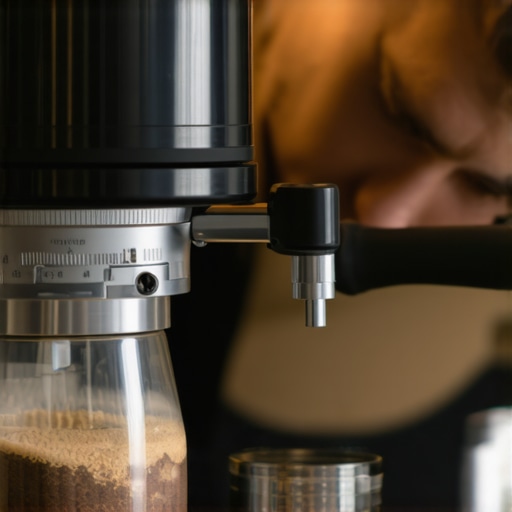
One of the most valuable insights I gained was that even the tiniest irregularity in pressure or grind consistency can silently sabotage your brew. I used to dismiss subtle flavor shifts or slight pressure drops as normal wear, only to realize they signaled deeper issues. Embracing routine checkups and listening closely to my machine’s signals transformed my espresso experience from hit-or-miss to reliably excellent.
Another eye-opener was recognizing that maintenance isn’t just about fixing problems—it’s about preventive care. Regularly inspecting seals, cleaning passages, and calibrating settings are small tasks that save big money later. This proactive approach turned my espresso setup into a long-term investment that continually delivers rich flavors without costly breakdowns.
Lastly, I discovered that the real magic lies in understanding your machine’s unique nuances. Every component, from pressure pumps to grinder burrs, has its story. Paying attention to these stories empowers you to troubleshoot effectively and make informed upgrades, ensuring each shot is a masterpiece instead of a compromise.
Tools That Elevated My Coffee Craft
For anyone serious about maintaining optimal pressure and flavor, a high-precision pressure gauge became indispensable in my toolkit. It provided real-time feedback, allowing me to fine-tune grind size and tamping pressure with confidence. Alongside that, a calibrated burr grinder ensures consistent particle size, essential for stable pressure conditions. Regularly cleaning my automatic milk frother and maintaining seals prevents leaks that could reduce pressure and compromise steam quality. These tools create a cycle of perfection that elevates each cup from good to extraordinary.
Moreover, routine descaling using the manufacturer-approved solutions prevents mineral buildup that can choke water flow and strain the pump. My recent experience of descaling revealed how much smoother my machine operated afterward, with noticeably richer crema and better temperature stability. Investing in reliable advanced espresso machines with diagnostics can streamline this process even further, but the essentials—like pressure gauges and regular cleaning—still hold paramount importance.
Your Next Espresso Milestone Awaits
The future of espresso maintenance and quality lies in embracing regular care with precision tools and a curious mindset. Don’t wait for issues to manifest as poor flavor or machine failure; rather, see it as an adventure in mastery. Grasping the subtleties of pressure, grind, and component health transforms your routine into a craft, making every espresso a celebration of your dedication. Remember, consistent excellence is within reach when you learn to listen to your machine’s whispers and respond proactively.
Are you ready to take your espresso mastery to the next level? Start with your routine, equip yourself with the right tools, and stay curious. Your perfect brew is more than a goal—it’s a journey worth every effort.
What’s Your Biggest Espresso Challenge?
Have you ever struggled with maintaining optimal pressure or troubleshooting your machine’s quirks? Share your experiences below and let’s learn from each other’s journey toward the ultimate home espresso ritual.
Laura Smith
Reading this post really resonated with my recent experience. I started noticing that my espresso shots were becoming less intense and the crema was thinner than usual, but I dismissed it as a grind issue at first. It wasn’t until I heard the loud whining from the pump and the fluctuation in pressure readings that I realized something was amiss. Regularly inspecting the pump seals and cleaning the water intake made a huge difference for me, preventing a potential breakdown. I’m curious, has anyone upgraded to a high-precision pressure gauge as a diagnostic tool? How much of a difference did it make in maintaining consistent pressure and overall machine health? It seems like a small investment that pays off in the long run, especially for those of us who rely on our machines daily for that perfect shot.