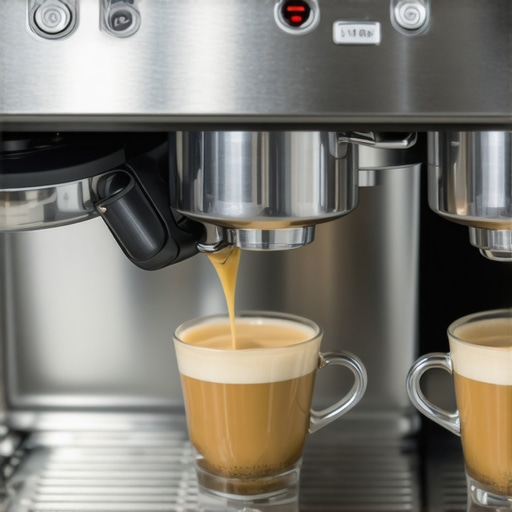
Ever poured a fresh shot of espresso only to be greeted with a thin, frothy layer that barely whispers the richness beneath? I remember those early mornings, desperate for that perfect crema, only to be met with disappointment. It was as if my beloved espresso machine was intentionally holding out on me. The culprit? My bean to cup settings—specifically trying to tame the illusions of a thicker, more decadent crema with outdated adjustments.
The Struggle for the Perfect Espresso Crema
There’s something almost magical about that velvety, caramel-colored top layer—it’s the hallmark of a well-brewed espresso. Yet, achieving that in 2026 feels increasingly complicated. Modern super automatic machines seemingly promise barista-quality results, but often fall short when it comes to thickness and richness, especially if your settings are off. I spent months tweaking, experimenting, and tearing my hair out, only to realize the problem was more nuanced than I thought. The latest updates in bean to cup technology demand a different approach—one that considers the evolving landscape of coffee science, machine hardware, and bean varieties.
In this post, I’ll share my journey from frustration to mastery. We’ll uncover how you can fine-tune your three essential parameters—dose, grind size, and extraction time—to unlock that luscious crema we’ve all dreamed of. Whether you’re using a high-end machine or a reliable mid-tier unit, these tips will help you elevate your brew game and impress every time.
Is Your Espresso Machine Sabotaging Your Crema?
Early on, I made the mistake of blindly following generic recipes, ignoring my specific machine model and bean type. That led to flat, lackluster results. Remember, every machine and coffee bean has unique quirks. For authentic guidance, I recommend checking out this insightful article on three settings that ruin your crema. It opened my eyes to the importance of personalized adjustments, especially in 2026’s tech landscape.
Now, with a clearer understanding, I’m ready to help you navigate the complexities. Are you tired of your espresso always falling flat despite all the fancy gadgets? Let’s get into how you can optimize those settings for a richer, thicker crema—starting today!
Adjust Your Grind Size Precisely
My first major breakthrough came when I realized the importance of grind size. A too-fine grind causes over-extraction, leading to a thin, bitter crema, while a too-coarse grind results in under-extraction and a weak top layer. Remember, a consistent, medium-fine grind produces the optimal surface tension for thick crema. I once spent an hour experimenting, using the espresso grinder to dial in my settings, which finally yielded that velvety layer I craved.
#IMAGE_PLACEHOLDER_B#
Calibrate Dose and Tamping Pressure
Next, I focused on dosing. Too little coffee results in a watery extraction with thin crema, while too much can clog the machine, compromising pressure and crema quality. For my super-automatic machine, I adjusted the dose to match manufacturer specs, then used a precise tamper to apply even, firm pressure. This balance maintained optimal water flow and pressure, essential for thick crema. For detailed guidance, check out pro grinder tactics. My initial tests were messy, but fine-tuning this parameter improved my crema’s density significantly.
#IMAGE_PLACEHOLDER_B#
Optimize Extraction Time
Extraction time directly influences crema richness. Too short an extraction produces a pale top layer; too long, and it becomes bitter and thin. I used my machine’s timer to monitor extraction, aiming for about 25-30 seconds — the sweet spot for many beans. I found that adjusting the brew temperature slightly upward also helped extract more oils, enriching the crema. For advanced tips, visit this article. My first attempts—messy at first—gradually got better as I fine-tuned the extraction process, resulting in a thick, luscious crema worth every morning.
#IMAGE_PLACEHOLDER_B#
Fine-Tune Your Water Settings
Quality water impacts extraction and crema formation. I used filtered water and adjusted my machine’s water parameters to maintain consistent mineral content, which helped produce more stable crema. Remember, mineral balance affects extraction pressure and the espresso’s final appearance. If you face persistent issues, consider checking your water filter. My early attempts saw inconsistent crema until I adopted these water optimization steps, leading to markedly improved results.
Experiment with Bean Selection and Freshness
Beyond machine settings, bean quality matters immensely. I switched to freshly roasted beans from a reputable local roaster, which drastically enhanced the crema’s thickness and aroma. Darker roasts tend to produce richer crema due to higher oil content, but balance is key to avoid over-oiling your grinder. For insights on bean quality, see bean selection tips. My experiments with different beans helped me understand the delicate interplay between bean oils and crema richness, elevating my coffee experience significantly.Many espresso enthusiasts believe that pressing the auto-button on their super automatic machines guarantees barista-quality results. But let’s cut through the hype: most people overlook the subtle intricacies that truly elevate their brew. For instance, relying solely on the automatic milk frother without understanding its limitations can lead to disappointing microfoam. It’s a common myth that these machines can replace skilled baristas entirely, yet they often struggle with nuanced textures unless properly calibrated.
One critical nuance many miss is the inconsistent quality of beans used despite existing grinder settings. Even the most advanced espresso grinder can falter if burr alignment isn’t precise, which impacts particle size distribution—a key factor in crema richness. According to coffee science expert Scott Rao, burr alignment and grind consistency are paramount for extracting those elusive flavor notes and crema density. Check out his insights in [this detailed guide](https://superautomatic.espressotechguide.com/espresso-grinder-essentials-boost-your-coffee-flavor-today).
When it comes to the automatic features, a common mistake is setting it and forgetting it. Modern machines often have multiple adjustable parameters, such as shot volume and temperature, that interact subtly. Neglecting to fine-tune these based on bean freshness or roast level can cause flat or sour espresso, even when the machine is seemingly set to perfection.
What about the milk frother? Many assume that it can handle every milk type with zero adjustments. In reality, plant-based variants like soy or almond milk require specific temperature and foam settings to avoid flat or “watery” foam. Mastering these nuances can vastly improve quality, as discussed in [this advanced tutorial](https://superautomatic.espressotechguide.com/mastering-automatic-milk-frothers-tips-for-barista-quality-froth).
Finally, beware the trap of over-reliance on automatic cleaning cycles. While essential for hygiene, neglecting manual descaling or burr cleaning can cause subtle machine performance dips, affecting grind consistency and water temperature. Regular maintenance—beyond what auto programs do—is a step often overlooked but critical for consistent excellence.
Are you guilty of these misconceptions? Do you think your machine is performing at its best? Let me know in the comments. Remember, understanding these deeper nuances can make all the difference between good and truly great espresso.Maintaining your espresso setup is essential to ensure consistent, high-quality results day after day. From the automatic milk frother to the grinder, each component requires specific care and the right tools to stay in peak condition. Regular maintenance not only prolongs the lifespan of your equipment but also enhances flavor extraction, crema richness, and overall brewing reliability.
Investing in quality tools can make all the difference. I personally rely on a calibrated burr grinder, which I adjust monthly using a dedicated burr alignment tool. This ensures particle size consistency, vital for that luscious crema. For cleaning, I use a specialized descaling solution compatible with my machine, following the manufacturer’s guidelines, to prevent mineral buildup that can impair water temperature and pressure, ultimately impacting flavor.
A digital hygrometer is also invaluable in my setup—it helps monitor ambient humidity, which can subtly influence grind moisture content and bean freshness. Additionally, a precision dosing scale allows me to measure coffee accurately, ensuring each shot starts with the perfect dose, reducing waste and improving extraction.
Looking ahead, smart tech integration might revolutionize maintenance routines. IoT-enabled sensors in machines could alert us when filters need changing or when calibrations drift. This proactive approach will likely become standard, minimizing downtime and ensuring optimal performance.
### How do I maintain my espresso machine and accessories over time?
Incorporating regular upkeep routines—such as descaling every three months with trusted solutions, calibrating grinders monthly, and replacing worn seals—is crucial. Remember, even the best tools need to be kept in top shape. For more detailed guidance on grinder precision, check out this burr alignment guide. Regularly inspecting and cleaning your equipment ensures that each extraction remains rich and full-bodied.
One tip I wholeheartedly recommend is using a microfiber cloth to wipe down all accessible parts after each brew session. This simple habit prevents coffee oils and residues from accumulating, which can cause blockages or alter flavors. For deep cleaning, I schedule a thorough overhaul quarterly, including replacing water filters, inspecting seals, and running cleaning cycles as per the manufacturer’s instructions. This disciplined approach guarantees your espresso gear performs reliably, maintaining the crema density and flavor nuances you seek.
Lastly, documenting maintenance routines helps track what works best for your specific setup. A simple log indicating dates of descaling, grinder calibration, and repairs can serve as a valuable reference, helping you anticipate when next to service your equipment.
Try adopting one advanced maintenance trick today: set a calendar reminder to calibrate your espresso grinder with precision tools like a burr alignment kit. This small step can dramatically improve crema quality and flavor consistency.
By prioritizing proper upkeep with the right tools, you’ll ensure your espresso machine, grinder, and accessories continue delivering stellar coffee for years to come.
What No One Tells You About Fine-Tuning Your Espresso Setup
Over the years, I’ve learned that achieving barista-level crema isn’t just about having the latest machine—it’s about understanding the subtle art of personalization and maintenance. One lightbulb moment was realizing that even minor tweaks in grind consistency or water mineral content can make a significant difference. The real secret is paying close attention to those small details that often go unnoticed, such as burr alignment or the age of your beans, which can drastically affect crema thickness and flavor richness. Acknowledging that every machine and bean behaves differently helped me develop a more intuitive, responsive approach, transforming my morning espresso from a disappointment into a daily celebration.
My Go-To Gear for Elevating Espresso Crema
After countless experiments, I trust my calibrated burr grinder for consistent particle size, which is crucial for luscious crema—check out this guide for detailed tips. I also rely on a high-quality water filter to ensure mineral balance, and a digital scale helps me measure doses precisely. These tools may seem simple, but their combined power ensures each shot delivers the richness and depth I aim for. Don’t overlook the importance of regular maintenance—cleaning, burr alignment, and descaling are non-negotiable if you want to keep your crema thick and flavorful. Investing in the right equipment and upkeep routines has truly transformed my coffee experience, and I believe they can do the same for you.
Your Turn to Elevate Your Espresso Game
The journey to perfect crema is as much about patience as it is about technique. Embrace the fine-tuning process, stay consistent, and never underestimate the power of regular maintenance. Remember, each adjustment brings you closer to that velvety, caramel-colored top that signals a truly exceptional espresso. I encourage you to experiment with your machine’s settings, monitor each variable carefully, and trust your palate. Your mornings deserve this level of dedication—your taste buds will thank you. Ready to take your bean-to-cup routine to new heights? Share your experiences or questions below, and let’s brew better together!
,
![Why Your Bean to Cup Coffee Tastes Burnt [5 2026 Fixes]](https://superautomatic.espressotechguide.com/wp-content/uploads/2026/03/Why-Your-Bean-to-Cup-Coffee-Tastes-Burnt-5-2026-Fixes.jpeg)
Samantha Lee
Reading this post really resonated with me, especially the part about tweaking grind size and water quality. I used to think that just pressing the button was enough, but after experimenting with finer grinds and filtered water, my crema improved significantly. I’ve also found that light roasts, despite their delicate flavor, can sometimes produce a thinner crema, which surprised me. Have any of you experimented with different roast levels for thicker crema? I’d love to hear about what’s worked or not for others, as I’m continually trying to master that perfect velvety top layer.
Benjamin Carter
This post really hits the mark on the nuances that one often overlooks when trying to perfect that elusive, luscious crema. I totally agree that grind size and bean quality are critical, but I’ve found that the freshness of your beans can make a huge difference too. Sometimes, using beans that are just a week old versus those roasted months ago can change the crema’s texture dramatically. Also, I’ve experimented with slightly higher brew temperatures, and it seems to extract more oils, leading to a richer, thicker crema. Have any fellow enthusiasts noticed a significant difference with temperature adjustments? I’m curious about other small tweaks that might push the crema from good to exceptional. Sharing our experiences and findings really helps fine-tune that barista-level approach—there’s always something new to learn in the quest for the perfect shot.
David Wilson
I completely relate to the ongoing challenge of achieving that perfect, thick crema—especially with newer machines that are super automatic. One thing I’ve found helpful is controlling the tamping pressure more precisely; it’s amazing how such a small change can impact pressure and extraction. I’ve also started experimenting with pre-wetting my coffee grounds to help with uniform extraction and crema formation. Regarding bean freshness, I agree it plays a major role, but I’ve noticed that the roast level also makes a difference: darker roasts tend to give richer oils and thicker crema, but I always balance that with the flavor profile I want. Has anyone tried adjusting their brew temperature slightly higher to pull more oils and boost crema density? Would love to hear what adjustments others have found most effective for 2026’s tech landscape and bean varieties—sharing these little tweaks really makes a difference in dialing in that perfect shot.