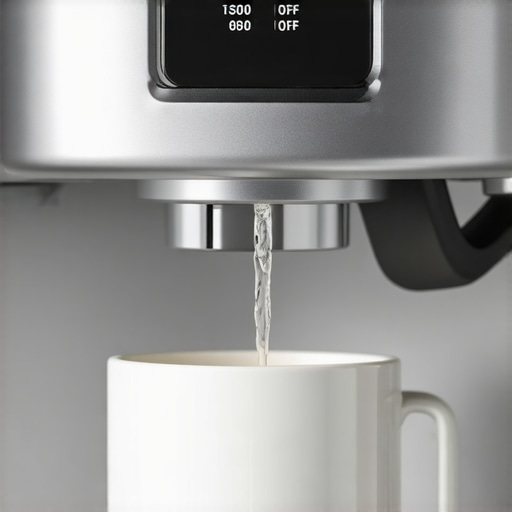
I remember the first time I eagerly pressed the button on my shiny new automatic espresso machine, only to be greeted not by rich, fragrant coffee but a disappointing stream of clear water. My heart sank as I wondered, “Did I buy a fancy paperweight?” That moment wasn’t just frustrating—it was a wake-up call. If you’ve experienced something similar, you’re not alone. Many coffee lovers face the perplexing issue of their bean to cup machines dispensing water instead of that luscious brew we crave. But let me tell you, this is often fixable, and you don’t need to be an engineer to crack the code.
Understanding the Water-Only Dilemma in Your Espresso Machine
Why does your high-tech coffee maker suddenly decide to serve only water without warning? The answer often lies in simple mechanical or electronic glitches that can be resolved with a few quick adjustments. These issues can stem from clogged filters, misaligned grinders, or even software hiccups. Interestingly, a well-maintained machine can significantly improve your daily coffee experience—but neglecting small problems can turn your mornings into maintenance marathons. According to coffee tech experts, regular cleaning and calibration are vital to keep your machine functioning at its best.
Have you ever bought a machine only to realize down the line that small issues like water leaks or weak brewing are ruining your experience? I made that mistake early on—assuming that the machine would just work perfectly without my intervention. Trust me, a little knowledge and routine maintenance go a long way.
In this post, I’ll guide you through four quick fixes—backed by my own trial-and-error—that can restore your espresso machine’s performance. Whether it’s cleaning that stubborn group head, checking your filters, or recalibrating your grinder, these tips are straightforward and effective.
Ready to turn your water dispenser back into a coffee maker that delivers the rich, flavorful shots you love? Let’s dive into the solutions, starting with the most common culprit: clogged filters.
Clear the Clogged Filters First
Remove the water filter and any filter baskets from your machine. Use a soft brush or cloth to clean debris or mineral buildup that could block water flow. For stubborn deposits, soak filters in vinegar solution for 15 minutes, then rinse thoroughly before reinstalling. I once neglected this step, leading to weak water flow; after cleaning, my machine dispensed water smoothly again.
Inspect and Clean the Brew Group Assembly
Open the brew group compartment and remove the brew head and connected components. Rinse all parts under warm water, paying special attention to the inlet channels where coffee grounds or scale can cause blockages. Use a toothbrush to scrub small crevices. During my overhaul, I found residual coffee oils clogging the paths, which, once cleaned, restored proper water flow.
Check and Recalibrate Your Grinder Settings
Set the grinder to a slightly finer setting to ensure proper espresso extraction. If the grind is too coarse, water will pass through too quickly without brewing. Adjust the grind in small increments, and run a test shot each time. I experimented with my grinder, eventually finding a setting that balanced extraction and pressure, leading to richer shots. For detailed grinder tuning, visit this guide.
Perform a Software Reset or Calibration
Many super automatic machines have internal software that controls flow and pressure. Consult your user manual for resetting instructions or recalibration procedures. Connect the machine to power, then follow specific button presses to initiate calibration mode. After resetting, run a cleaning cycle to ensure all parameters are optimized. I had an issue where the machine defaulted to water-only mode, which was fixed after a soft reset. If issues persist, check this comprehensive guide for advanced troubleshooting.
Test and Adjust Your Brew Pressure
Low brew pressure prevents proper extraction, resulting in water-like espresso. Use a pressure gauge (or visit a service professional) to check if your machine maintains around 9 bars during extraction. If pressure is low, clean the pump and water pathways, or replace aging parts. I found that descaling my machine and replacing worn-out pump seals significantly improved pressure. Proper pressure is crucial, and you can learn more about maintaining optimal brew pressure at this resource.When it comes to choosing or using a super automatic espresso machine, many people operate under common misconceptions that can hinder their coffee experience. One pervasive myth is that a high-end machine alone guarantees perfect espresso every time. In reality, beyond the machine’s capabilities, variables like grinder quality, tamping consistency, and water quality play critical roles in achieving optimal results. For example, even the most advanced super automatic can produce disappointing shots if the grinder isn’t properly calibrated or if beans are oily and clog the system. This oversight often leads users to blame their equipment rather than inspecting the foundational elements of coffee preparation.
Another nuanced point is the assumption that these machines require minimal maintenance, making routine cleaning optional. However, neglecting thorough cleaning—such as descaling or cleaning the brew group—can cause blockages and affect flavor extraction. Regular maintenance isn’t just a suggestion; it’s essential. For instance, scale buildup inside the water circuit can dramatically reduce pressure, resulting in weak or watery coffee. Experts recommend following specific cleaning routines found in detailed guides like this ultimate guide to prevent such issues.
A trap many fall into is underestimating the importance of grinder choice and settings for beans-to-cup machines. A common misconception is that all grinders are interchangeable; however, the grind’s consistency and size directly impact extraction and crema quality. For example, oily beans tend to clog grinders, leading to uneven grounds and espresso that tastes flat or bitter. Properly tuning the grinder—perhaps by selecting non-oily beans detailed in this resource—can make a significant difference. Remember, a mismatch between grind size and machine pressure can leave you frustrated with your shots.
Have you ever fallen into this trap? Let me know in the comments.
Are Automatic Milk Frothers Truly Barista-Quality?
Many users believe that pressing a button on an automatic milk frother guarantees perfect, barista-quality foam every time. While convenience is a benefit, achieving that silky, microfoam requires understanding the machine’s limitations and proper milk types. Oat and soy milk, for example, often pose challenges because they produce less stable foam. Using the wrong milk or neglecting to clean the frothing wand can lead to flat or scalded milk. Expert tips suggest using whole or lightly skimmed milk and regular cleaning routines, detailed in this comprehensive guide. Remember, true barista-like frothing demands more than just pressing a button; it involves understanding your machine and milk properties.
In summary, mastering your superautomatic espresso setup requires attention to detail beyond the hype of high-tech features. From grinder calibration and maintenance routines to milk frothing nuances, these details can elevate your coffee from average to exceptional. Don’t let common myths or overlooked factors hold you back from brewing perfection. Want to improve your brew quality further? Explore in-depth guides like this article or verify your machine’s actual capabilities to ensure you’re not missing out. Remember, perfect espresso is a combination of technology, technique, and understanding—get all three right!
Tools That Keep Your Espresso Machine Running Smoothly
To ensure consistent quality, I rely heavily on a few specialized tools. First, a high-precision water hardness tester helps me monitor my water quality weekly, preventing mineral buildup that can clog internal channels. I personally use theTWINE digital water tester, which offers accurate readings and is easy to interpret. For descaling, I prefer using Citric Acid-based descaling solutions like Dezcal, as they’re gentler on machine components and more environmentally friendly. Additionally, a small, flexible cleaning brush, such as the Brushtech dual-ended brush, allows me to reach into narrow passages like the brew group and grinder chute, ensuring no debris hampers performance.
Routine Maintenance Methods for Longevity
Scheduling regular maintenance is key. I set calendar reminders to descale my machine every three months or sooner if my water is particularly hard. Incorporating weekly cleaning routines—such as backflushing with recommended cleaning tablets—keeps the brew group free of coffee oils and scale. I also monitor the grinder burrs; if I notice inconsistencies or increased noise, I carefully inspect and realign or replace the burrs. This proactive approach prevents major repairs and extends the life of my machine.
Predicting and Scaling Up Win-Win Results
The future of maintenance for home espresso setups points toward smarter, sensor-based tools. Companies are increasingly integrating IoT sensors that alert you when cleaning or descaling are due—saving time and preventing damage. I happen to think software that tracks shot quality metrics will become more widespread, giving you data-driven insights for ongoing adjustments.
How do I maintain my espresso system over time?
Consistency is the secret. My routine includes monthly calibration checks of the grinder, making sure my espresso shot quality remains high. I also stay updated with the latest maintenance guides from trusted sources like this resource, which offers thorough, expert-backed advice. Lastly, I keep my tools organized in a dedicated maintenance kit—containing brushes, descaling solutions, and replacement seals—so I can tackle issues immediately before they escalate.
Investing in the right tools and sticking to a disciplined maintenance schedule not only prolongs your espresso machine’s lifespan but also preserves the vibrant flavors that make every cup special. If you haven’t already, try using a digital water tester combined with quarterly descaling — you’ll notice a significant improvement in extraction quality and machine responsiveness. Remember, a well-maintained machine is the foundation of perfect espresso every time.
The Hardest Lesson I Learned About super automatic espresso,bean to cup,espresso grinder,automatic milk frother,espresso machine
One of the most significant insights I gained was that no matter how advanced your machine is, neglecting routine maintenance and proper calibration can turn your beloved espresso into a disappointing experience. I once assumed that a high-end superautomatic would handle everything effortlessly—only to discover that small details like grinder cleanliness or pressure levels profoundly impact flavor and consistency. This lesson taught me to treat my espresso machine as an investment that requires regular care, much like a musical instrument or a vintage car.
3 Myths About super automatic espresso,bean to cup,espresso grinder,automatic milk frother,espresso machine That Held Me Back
The first myth was believing that a superautomatic machine could replace the need for quality beans and proper grinder settings. Second, I thought that cleaning could be optional after initial setup, which was far from true. Lastly, many assume that the built-in milk frother guarantees barista-quality foam without understanding the nuances of milk type and wand maintenance. Busting these myths was crucial in elevating my coffee quality and understanding what makes these machines tick. For more in-depth insights, check this resource.
What Experts Won’t Tell You About super automatic espresso,bean to cup,espresso grinder,automatic milk frother,espresso machine
Experts often emphasize that achieving excellence starts with knowing your equipment’s limitations and strengths. One thing they rarely highlight is the importance of sensor-based diagnostics, which are slowly entering the consumer market. These tools can alert you when it’s time for descaling or grinder recalibration—saving you from costly repairs down the line. I’ve learned that a proactive approach, combined with following trusted guides like this one, can dramatically improve your daily coffee ritual.
Make Yourself Brew Better: Lessons From the Trenches
Don’t wait for your machine to malfunction before acting. Regularly inspecting components, cleaning ports, and tweaking grind size can be game-changers. I’ve found that even small adjustments—like switching to non-oily beans or increasing water hardness testing—can produce more flavorful shots. The key is consistency and curiosity. So, keep experimenting and learning; your perfect espresso is worth the effort. For comprehensive maintenance tips, explore this guide.
Tools That Keep Your Coffee Dreams Alive
Apart from my machine, I rely on a few trusted tools: a digital water hardness tester helps prevent scale buildup; a high-quality descaling solution like Dezcal keeps internal pipes clear; and a flexible cleaning brush reaches those tight spots where coffee oils love to hide. Investing in these small but essential tools turned minor issues into quick fixes and kept my machine running at its best. Remember, good tools make good habits more achievable.
The Future of Super Automatic Care Is Personal
With innovations like IoT sensors and smart diagnostics, maintaining your superautomatic is becoming more intuitive. Imagine an app alerting you whenever your machine needs cleaning or calibration—no more guesswork. I believe staying ahead with these emerging technologies will make home barista life easier and more satisfying. Until then, consistent manual maintenance, guided by trusted sources, remains your best bet. Your journey to perfect coffee continues with you, and every small step adds to the brew’s richness.
Embrace the Craft and Elevate Your Coffee Journey
Remember, your superautomatic espresso machine is more than a gadget—it’s a gateway to daily moments of joy and mastery. By paying attention to details like grinder tuning, routine cleaning, and correct milk frothing techniques, you transform ordinary mornings into extraordinary experiences. Never underestimate the power of knowledge combined with consistent care. Your next perfect shot is just a few thoughtful adjustments away. If you’re ready to deepen your understanding and enhance your brewing skills, explore guides like this cornerstone resource and turn your machine into a lifelong partner in coffee excellence. Cheers to many exquisite espresso moments ahead!
![Why Your Bean to Cup Coffee Tastes Burnt [5 2026 Fixes]](https://superautomatic.espressotechguide.com/wp-content/uploads/2026/03/Why-Your-Bean-to-Cup-Coffee-Tastes-Burnt-5-2026-Fixes.jpeg)