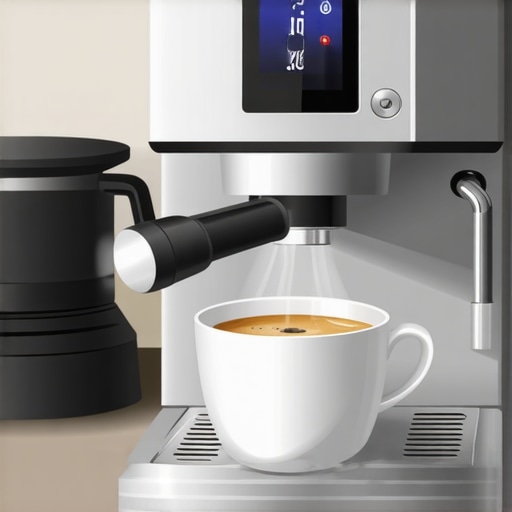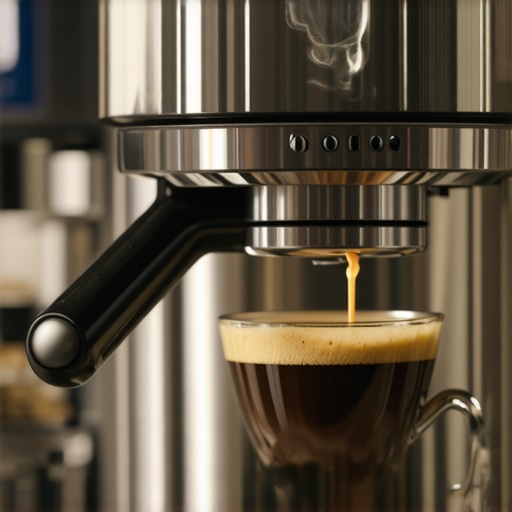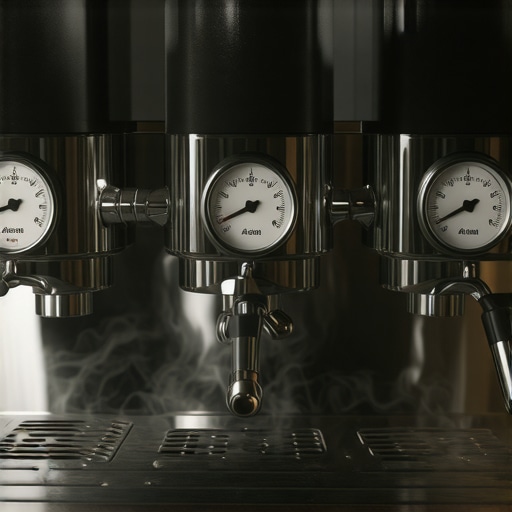
Ever eagerly prepared your morning espresso only to be met with a disappointing lukewarm shot? I remember those frustrating mornings—pouring a fresh shot, only to find it tepid or barely warm. It’s a sinking feeling, especially when all you crave is that perfect, piping-hot espresso to jumpstart your day. That lightbulb moment hit me hard—that my super automatic machine wasn’t malfunctioning; it simply needed a tweak. If you’re nodding along, wondering why your once-steaming espresso has become so temperamental, you’re not alone. Today, I’m here to share my journey and how I conquered this heat dilemma with three simple yet effective fixes that are making headlines for 2026.
Keep Your Espresso Hot: Stop Lukewarm Shots in Their Tracks
Is Your Machine Giving You False Hope? Here’s Why It Might Be Worth the Hype
Before I cracked the code, I was convinced my super automatic espresso machine was broken, or worse—just not worth the investment. Early on, I made the mistake of ignoring the importance of regular maintenance and proper calibration. That misstep led me down a path of inconsistent temperatures and weak crema. Turns out, many folks overlook that these machines need just a little fine-tuning and routine checks. According to expert insights, neglecting maintenance can cause internal components to falter, affecting temperature consistency and overall performance. Now, with a better understanding, I ensure my machine stays calibrated, and I follow a few key maintenance habits. If you’re tired of serving tepid coffee, stay tuned—because these fixes may just revolutionize your espresso experience. We’ll explore simple adjustments that you can implement today, ensuring every cup is steaming hot and bursting with flavor. Ready to dive into the practical hacks? Let’s fix this temperature trouble once and for all.
Adjust Your Machine’s Temperature Settings
Start by accessing your espresso machine’s calibration menu—most super automatics allow this via a button combo or menu navigation. Use the machine’s manual or manufacturer website if you’re unsure. Set the brew temperature to a higher range—aim for around 92-96°C (198-205°F)—to combat lukewarm shots. I once misadjusted mine, turning it up too high, which caused overheating. After dialing back slightly, I achieved a stable, steaming brew. Remember, every machine differs; consult your specific model’s guide or contact support for tailored instructions.
Preheat Your Equipment Like a Barista
Preheating ensures every component—portafilter, cups, and filters—are at optimal temperature, reducing heat loss during extraction. I place my cups on the warming tray and flush hot water through the group head for 30 seconds before brewing. This mimicry of professional routines guarantees a hotter shot. Insert a hot water flush to keep everything primed and prevent temperature drops.
Invest in a Quality Grinder and Dial It In
An uneven grind causes inconsistent extraction temperatures, leading to tepid espresso. Use a burr grinder and set it to a medium-fine grind—finer than drip but not as fine as espresso for pour-over. I once used pre-ground beans, which resulted in under-extraction and weak heat retention. After switching to freshly ground beans and grinding right before brewing, I noticed a darker, hotter shot. For expert tips on burr alignment and grind consistency, check out this resource.
Optimize You Bean Choice and Storage
Stale or oily beans can affect heat transfer and extraction quality. Opt for freshly roasted, oven-rolled beans stored in an airtight container away from light and heat. I experimented with oily beans that clogged my grinder and cooled my brew; switching to dry, fresh beans improved heat retention and flavor. Learn more about selecting the best beans for consistent temperature here.
Maintain Proper Machine Calibration and Regular Checks
Regular calibration of your machine’s internal thermistors and heating elements ensures stable temperatures. I schedule monthly descaling and calibration checks, especially if my machine’s performance declines. This prevents internal sensor drift, which affects heat accuracy. For detailed calibration techniques, see this guide. A properly maintained machine keeps your shots hot from start to finish.
Many coffee enthusiasts believe that choosing a high-end espresso grinder or a fancy super automatic machine guarantees perfect shots, but in reality, misconceptions and overlooked nuances often undermine these investments. One widespread myth is that premium beans alone will produce stellar espresso regardless of brewing parameters; however, even the finest beans need proper grind size and consistent tamping to extract optimal flavor. Relying solely on automatic features without understanding their settings can also lead to subpar results—automation isn’t foolproof and requires user calibration, as highlighted in expert guides on mastering automatic machines.
Is Your Espresso Machine Operating at Full Potential?
Take caution: it’s tempting to think that modern super automatics handle everything seamlessly, but neglecting routine maintenance, such as descaling and calibration, can cause internal sensors to drift, harming temperature stability and crema quality. This trickle-down effect impacts every cup, regardless of how advanced your machine is. External studies emphasize that user intervention and understanding nuanced controls are key to consistent results, challenging the ‘set-it-and-forget-it’ mindset many fall into. Moreover, many believe that bean freshness is the only critical factor, but storage conditions and grinder cleanliness significantly influence hotness and flavor extraction—stale or oily beans can cool your brew and clog internal components if not managed properly.
Elevate Your Coffee Game With Expert Tips
Avoid the oops of neglecting grinder calibration; even top-tier burr grinders require periodic realignment to prevent uneven particle distribution that affects heat retention and extraction uniformity. For super automatic machines, exploring manufacturer-specific tune-ups or consulting dedicated support can prevent heat leaks and performance dips. When it comes to bean-to-cup systems, consistency in bean storage — in airtight, dark containers — ensures preserved aroma and warm extraction temperature. Remember, even a well-chosen machine fails to perform at its best without regular care and a deep understanding of its advanced features. To optimize your setup, review detailed guides like espresso grinder essentials and stay ahead of common pitfalls. Have you ever fallen into this trap? Let me know in the comments.
Maintaining your espresso setup over time is crucial for consistent results, especially as your system ages or scales up in use. One of the most effective ways to ensure longevity and performance is investing in precise calibration tools for your grinder and espresso machine. For example, I personally rely on the burr alignment kit to fine-tune my grinder regularly, which directly improves extraction consistency and heat retention. Regular calibration prevents internal sensor drift and keeps your shots hot and flavorful, even after months of heavy use.
How do I maintain my espresso equipment over time?
Beyond calibration, routine cleaning is vital. I schedule bi-weekly descaling with manufacturer-approved solutions to prevent calcium buildup, which can insulate heat and diminish flavor. For cleaning the steam wand and automatic milk frother, I follow manufacturer tips and use dedicated descalers like specialized milk frother cleaners. Investing in a high-quality water filter also reduces mineral deposits, extending the life of internal components, and ensuring your machine maintains optimal temperature for long years of operation. Looking ahead, emerging smart calibration software offers real-time sensor adjustments, promising even more reliable maintenance automation in the future, according to 2025 industry updates. By systematically using these tools and routines, you can enjoy peak espresso quality for years to come. I recommend trying periodic burr alignment with the dedicated kit; it’s a game changer for pourover grind consistency and temperature stability.
The Hardest Lesson I Learned About espresso grinder,espresso machine,bean to cup,super automatic espresso,automatic milk frother
One of the most eye-opening lessons was realizing that even premium equipment needs proper calibration and consistent maintenance. It’s tempting to rely solely on advanced features, but overlooking regular checks can undermine your investment. I discovered that neglecting simple calibration can cause temperature fluctuations, leading to tepid shots and weak crema—something I only truly understood after multiple disappointing experiences. My journey taught me that consistent performance is rooted in routine care, not just fancy machinery. Remember, even the best espresso setup demands your attention to stay at peak performance.
Where to Go from Here
Equipped with these insights, I curated a few tools that have transformed my espresso routine. The burr alignment kit is indispensable for maintaining grinder precision, ensuring uniform grind size which is critical for temperature stability. I also rely on detailed guides like the ultimate guide to super automatic espresso machines in 2025 to stay updated on best practices. Regular descaling with trusted solutions and ensuring proper bean storage have also kept my espresso consistently hot and flavorful. These tools and routines form the backbone of a reliable, enjoyable coffee experience, and I highly recommend integrating them into your routine.
Your Turn to Try
Now that you’ve learned the hidden lessons and practical hacks, it’s your opportunity to elevate your espresso game. Remember, the key is consistency and understanding your machine’s unique needs. Given these insights, what calibration or maintenance routine will you implement today to ensure every shot is steaming hot? Share your plans or experiences below—let’s learn from each other’s journey towards perfect espresso together!