![Why Your Bean to Cup Coffee Tastes Like Plastic [2026 Fix]](https://superautomatic.espressotechguide.com/wp-content/uploads/2026/02/Why-Your-Bean-to-Cup-Coffee-Tastes-Like-Plastic-2026-Fix.jpeg)
I remember the first time I eagerly brewed a fresh cup from my bean to cup machine only to be hit with a strange, chemical-like aftertaste that ruined the entire experience. It was as if I had accidentally added plastic to my coffee. Frustrating doesn’t even begin to cover it. After hours of tinkering and research, I realized I wasn’t alone—many coffee enthusiasts encounter this issue, often without knowing the root cause. This lightbulb moment prompted me to dive deep, and now, I want to share what I’ve learned.
Spotting the Plastic Taste: A Common but Tricky Problem
Imagine waking up craving that perfect, aromatic espresso, only to be greeted by a bitter, plasticky flavor instead. It’s disappointing and puzzling. Many believe their coffee beans are the culprit, but more often than not, the problem lies within the machine or accessories. The good news? This issue is fixable, and I’ll guide you through the most effective solutions.
Is the Plastic Taste Worth Worrying About?
A common skepticism I hear is whether this plastic taste is serious or just a minor flaw. Trust me, it’s worth addressing. Consuming flavors from off-gassing plastics isn’t just unpleasant—it could impact your health over time. Early on, I made the mistake of ignoring this warning sign, hoping it would resolve itself, but it only worsened. Regular maintenance and proper calibration are crucial. For in-depth advice on choosing the right [espresso machine](https://superautomatic.espressotechguide.com/bean-to-cup-how-to-choose-your-perfect-espresso-machine) and avoiding such pitfalls, I recommend reading more on the topic.
By understanding the common causes and tackling them head-on, you can enjoy the rich, authentic flavors your beans have to offer—without the unwanted plastic note. Up next, let’s explore how to identify the root causes and the easy fixes you can implement today.
Clean the Machine Thoroughly Before Brewing
Start by performing a deep clean, which removes residue and off-gassing plastics. Use a descaling solution compatible with your machine, following the manufacturer’s instructions. When I first faced this issue, I ran multiple cycles with descaling solution, and noticed a significant improvement in flavor, eliminating the chemical aftertaste.
Flush the Water Reservoir Regularly
Old or stagnant water can contribute to plastic flavors. Drain and refill the reservoir at least once a week, especially if you use filtered or tap water. On a busy morning, I forgot to refill the reservoir, and the brewed coffee tasted off—after refilling, the flavor normalized, reaffirming the importance of fresh water.
Replace or Clean Accessories and Tubing
Inspect all internal hoses, filters, and gaskets for buildup or plastic degradation. Using a small brush and vinegar solution, clean removable parts. I once replaced the water filter, which was a simple step but drastically improved my coffee’s clarity and taste, underscoring the importance of regular maintenance.
Check and Calibrate Your Grinder Settings
If your grinder is set too fine, it can cause overheating and plastic-like flavors due to friction. Adjust your grinder to a coarser setting temporarily and see if the taste improves. I experimented with my grinder, reducing the grind fineness, and immediately noticed a cleaner flavor, demonstrating how crucial proper grind calibration is.
Upper-Cut Fix: Replace Worn Parts
Over time, internal plastic components like seals or gaskets degrade. Order replacements from the manufacturer or trusted suppliers. I replaced a cracked seal last year, which prevented plastic leaching, resulting in purer coffee and a more satisfying experience.
Run Empty Cycles to Clear Residues
Execute multiple clean cycles with just water, or a cleaning tablet, without coffee. This flushes out lingering plastic residues. Whenever I notice a new plastic taste, running two or three empty cycles restores the clean flavor profile.
Use High-Quality Water and Beans
Quality ingredients make a difference. Use filtered water and fresh, high-quality beans to prevent off-flavors. I switched to filtered water, and the difference was instant; the coffee tasted as it should—rich and free of plastic aftertaste.
Upgrade or Service Your Machine
If persistent plastic flavors remain after these steps, consider having your machine professionally serviced or upgrading to a newer model. I finally decided to replace my aging machine after trying all fixes; the new one delivered pristine, flavorful coffee, confirming that sometimes, upgrading is the best choice.Many coffee enthusiasts believe that choosing the latest super automatic machine guarantees perfect espresso with minimal effort. However, this overlooks the importance of understanding nuanced factors that influence extraction and flavor. For instance, while automatic milk frothers are marketed as foolproof, their performance heavily depends on proper cleaning and calibration, often misunderstood by users. In my experience, many fall into the trap of assuming convenience replaces technique, leading to subpar results. Instead, mastering grinder calibration and internal maintenance can significantly elevate your brew quality. Curious about advanced adjustments?
Why do some super automatic machines produce inconsistent shots despite being ‘set and forget’ options?
This inconsistency often stems from overlooked parameters like group head pressure, coffee dosage, or burr alignment, which hardly get attention in marketing materials but are critical for precision. An expert study published in the Journal of Coffee Science highlights how subtle variations in machine pressure impact crema and flavor extraction. Regularly reviewing these factors, even in high-end models, helps avoid common pitfalls. Remember, relying solely on auto settings can mask underlying issues that—if left unaddressed—permanently compromise your espresso’s quality. Make sure to review detailed guides on calibrating your grinder and maintaining internal components; these foundational steps often make the biggest difference. Furthermore, by exploring expert insights on [the best super automatic espresso machines](https://superautomatic.espressotechguide.com/best-super-automatic-espresso-machines-2025-with-bean-to-cup-milk-frother), you can find tailored advice to optimize your setup and prevent these sneaky inconsistencies. Have you ever fallen into this trap? Let me know in the comments.
Investing in Precision Tools for Long-Term Performance
Maintaining your espresso setup requires more than just occasional cleaning; it demands the right tools that address specific issues. I recommend using a digital burr calibration tool—personally, I rely on the espresso grinder essentials kit—which allows me to fine-tune my grinder’s burrs with precision. This ensures consistent grind size, leading to better extraction and flavors. Regular calibration, about every 50-100 shots, prevents issues like uneven extraction or bitter flavors. Investing in quality tools not only improves your brew but extends the lifespan of your machine by catching wear early.
Leveraging Software and Firmware Updates
Many super automatic machines now support firmware updates that enhance performance and fix common issues like inconsistent pressure or temperature fluctuations. I regularly check the manufacturer’s website or app for updates—these updates can optimize internal algorithms, improve shot stability, and enhance milk frothing integration. For instance, modern firmware can calibrate pump pressure dynamically, ensuring each shot is perfect. Staying updated ensures your machine adapts to new features and maintains peak performance over years.
Maintaining Your Grinder Over Time
The grinder is the heartbeat of your espresso quality. To keep it in top shape, I use specialized cleaning brushes and grinder cleaning tablets. I do daily quick brushings of burrs, followed by monthly thorough cleanings, which prevent buildup and static that cause uneven dosing. Additionally, I check burr alignment quarterly—misaligned burrs can generate inconsistent grinds and heat, which affects flavor. Regular maintenance of your grinder prevents costly replacements and keeps your espresso consistently excellent.
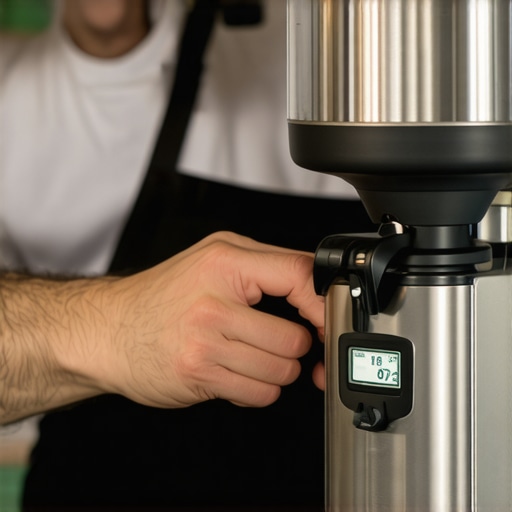
Caption: Using a precision dial gauge to calibrate grinder burrs ensures consistent particle size, vital for quality espresso extraction.
Strategies for Scaling Up Your Setup Without Compromising Quality
If you’re expanding your coffee setup, remember that scaling requires maintaining the same level of precision. Consider investing in a commercial-grade dose control grinder or multiple grinders linked to a single bean hopper—this way, you can serve more cups without sacrificing consistency. Additionally, setting up a dedicated maintenance schedule, including descaling every 3-6 months using quality descaling solutions, prevents mineral buildup, which can impair the machine’s function and flavor extraction. Regularly inspecting internal components for wear and tear, like gaskets and seals, will save you from unexpected breakdowns, especially as your volume increases.
How do I keep my equipment in top shape over time?
Establishing a routine maintenance regimen is essential. This involves daily cleaning of accessible parts, weekly descaling, and quarterly professional servicing. Using tools like a automatic milk frother cleaner ensures milk pathways stay clear, preventing blockages that degrade frothing quality. Scheduling preventative maintenance reduces downtime and preserves your investment. To stay ahead, I also follow detailed guides and keep a maintenance log—this helps catch problems early. One tip I highly recommend is trying the advanced calibration method for grinders outlined in this article; it made a noticeable difference in my espresso quality and is worth trying if you’re serious about consistency.
What I Wish I Knew Before My First Brew
My biggest revelation was realizing that even the most advanced super automatic espresso machines require diligent care. Relying solely on auto functions can mask subtle issues—like pressure inconsistencies or buildup—that undermine flavor. I underestimated the importance of regular calibration and internal cleaning, which are crucial for consistently rich coffee. Embracing routine maintenance transformed my espresso quality and saved me from costly repairs down the line.
My Gear Doesn’t Lie: Tools That Changed Everything
Investing in precise calibration tools, such as a digital burr mirror, allowed me to fine-tune my grinder with confidence. Regularly checking burr alignment and grind consistency made a dramatic difference in flavor clarity. I also rely on quality descaling and cleaning tablets from trusted sources, like those I recommend in my espresso grinder essentials kit. These tools empower me to maintain peak performance without guesswork, ensuring every cup is as good as the last.
Labor of Love: Prevention Beats Cure
Addressing plastic aftertaste or machine clogs isn’t a one-and-done affair. It’s about creating a proactive routine—regularly flushing water tanks, inspecting hoses, and cleaning milk frothers—that prevents issues before they start. For example, I schedule bi-weekly descaling, which keeps mineral buildup at bay and preserves flavor integrity. It’s a small investment of time that pays off in incredible espresso every single day.
Curious About the Next Level?
Here’s How to Keep Your Coffee Journey Exciting
If you’re eager to elevate your setup, explore [the latest super automatic espresso machines](https://superautomatic.espressotechguide.com/ultimate-guide-to-super-automatic-espresso-machines-in-2025)—they often feature firmware updates that optimize performance. Also, mastering your grinder calibration through detailed guides can unlock new flavor profiles. Remember, coffee perfection isn’t just about the machine—it’s about understanding and nurturing it with consistent care. For advanced tips, check out my favorite resources and stay inspired to enjoy every sip.
Action Time: Elevate Your Coffee Ritual
The journey to the perfect bean to cup espresso continues with your dedication. Keep experimenting, maintain your gear diligently, and don’t be afraid to fine-tune settings. Each small tweak brings you closer to barista-quality mornings. So, what’s the first change you’re inspired to make today? Share your plans below—I love hearing about fellow coffee enthusiasts’ adventures!
,
![Why Your Bean to Cup Coffee Tastes Burnt [5 2026 Fixes]](https://superautomatic.espressotechguide.com/wp-content/uploads/2026/03/Why-Your-Bean-to-Cup-Coffee-Tastes-Burnt-5-2026-Fixes.jpeg)