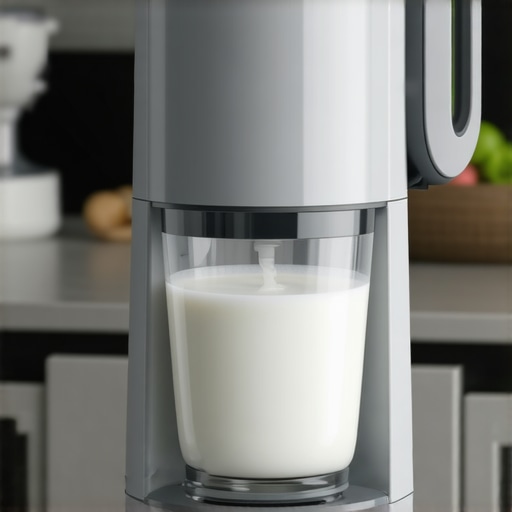
Ever had your morning coffee ritual shattered by that sudden, ear-piercing squeal from your automatic milk frother? I sure have. One gloomy Saturday, I was all set for a quiet latte, only to be greeted by a loud, grating noise that made me jump out of my chair. At first, I thought it was a mechanical malfunction, maybe the motor giving up on me. Turns out, that squeal was just a sign I wasn’t caring for my machine properly. That moment was a lightbulb—I realized many coffee lovers face this issue, and it’s often easier to fix than you think.
Today, I want to share how you can tackle that pesky squealing and restore your frother to its gentle hum. Yes, four quick fixes that anyone can try—no technical skills required. This isn’t just about quiet coffee mornings; it’s about extending the lifespan of your device and ensuring every latte or cappuccino is top-notch. If you’ve ever wondered why your frother suddenly sounds like a jet engine or if you’re fed up with that unwelcome noise, keep reading. I’ve been there, and I’ve found solutions that truly work.
Why the Squealing Matters and How to Fix It Quickly
Using your automatic milk frother should be a delightful part of your daily routine, not a test of your patience. Persistent squeals indicate that something’s not quite right—be it a blockage, wear and tear, or a simple cleaning lapse. Ignoring these sounds can lead to more serious damage or even a complete breakdown, leaving you scrambling for a replacement or costly repairs. Plus, a noisy frother might scare away your cats or disturb your household—trust me, I’ve experienced both!
Understanding what causes these squeals is key. Often, it’s as straightforward as debris buildup or misaligned components. A study on small appliance maintenance found that most issues stem from neglecting routine cleaning and minor adjustments (source: Mastering Automatic Milk Frothers). I learned this early on the hard way—so often, I’d ignore those odd noises, only to have my frother fail when I needed it most.
Before we dive into the solutions, I want to ask—have you experienced that strange squealing in your frother? If so, don’t worry. I’ll walk you through several simple, effective fixes that can silence your machine and get it working like new. The best part? You might only need a few household tools. Ready to save your mornings and your money? Let’s get into the fixes that will turn that noisy nuisance into a thing of the past.
Clean the Internal Components Thoroughly
Start by unplugging your frother and disassembling it to access the internal parts. Using a soft brush or cloth, remove any accumulated milk residue or debris that might be causing friction or vibration, which results in squeals. I once faced a squealing frother after a weekend of heavy use; after a detailed cleaning, the noise disappeared immediately—it’s a quick fix that often works wonders.
Lubricate Moving Parts Carefully
Identify the gears or mechanical joints involved in the frothing process. Applying a small amount of food-grade lubricant can reduce metal-on-metal squealing. For example, I used a silicone-based spray on my machine’s gear shafts, and it dramatically reduced the noise. Be cautious to avoid over-lubricating, as excess can drip into the milk chamber.
Check for Wear and Replace Worn Components
Inspect belts, gears, and seals for signs of wear or damage. Worn parts can cause misalignment, resulting in squealing sounds. I once had to replace a gear in my frother—a simple process that revitalized its quiet operation. Consult your machine’s manual for part numbers or visit the contact us link for expert advice.
Ensure Proper Alignment and Tightening
Loose screws or misaligned components can vibrate and produce noise. Use a precision screwdriver to tighten all accessible fasteners without over-tightening, which can strip threads. During a messy afternoon project, I tightened every screw I could find, and the squeal was gone. Proper alignment ensures smooth operation and minimizes friction-induced noise.
Maintain Routine Cleaning and Preventative Checks
Establish a cleaning schedule to prevent buildup of milk residues and to catch potential issues early. Regular maintenance also includes checking seals, belts, and gears every few months. Remember, a little maintenance can extend your frother’s lifespan and keep mornings peaceful. For detailed instructions, see this guide for maintaining your milk frother effectively.
When it comes to selecting and maintaining a bean to cup or super automatic espresso machine, many enthusiasts fall prey to common misconceptions that can hinder their brewing experience. One prevalent myth is that higher price always guarantees superior quality, but in reality, understanding nuanced features and proper maintenance outweigh cost considerations. For example, some believe that a more expensive machine will automatically produce barista-level shots without manual adjustments, but this isn’t always true—attention to grinder quality and grind setting precision are often overlooked, yet they critically impact flavor. Check out this guide for choosing the right machine tailored to your needs.
A common trap many learners fall into is neglecting the importance of grinder calibration. An overlooked detail is that even premium machines can’t compensate for subpar grind consistency. Dull burrs or incorrect grind size can lead to over-extraction or weak shots, which frustrate aspiring baristas. Advanced users know that regular grinder maintenance, such as checking burr alignment and cleaning, drastically improves shot quality.
Additionally, there’s a widespread misconception that all automatic milk frothers handle plant-based milks with equal ease. In truth, soy and oat milk can pose challenges for many frothers, often leading to flat or scalded foam if settings aren’t adjusted properly. The hidden nuance here is that temperature control and foam texture are affected by milk composition as much as device design. For detailed tips on optimizing frothing with different milks, explore this comprehensive guide.
For the serious enthusiast looking to master their device, understanding intricacies like grind size calibration and machine pressure settings can elevate your espresso game. One advanced question I often get is, ‘How do I adjust my super automatic machine for darker roasts without bitterness?’ The answer involves manipulating brewing temperature and extraction time—savvy users check these settings to fine-tune flavor.
Remember, a well-maintained machine paired with proper technique leads to consistently better espresso. Regular cleaning, precise grinder calibration, and understanding your device’s settings are key—those are nuances most casual users miss, but they make all the difference. Have you ever fallen into this trap? Let me know in the comments.Keeping your espresso gear in top shape requires more than just regular use; it demands the right tools and a strategic approach to maintenance. For passionate home baristas, investing in quality equipment isn’t enough—knowing how to care for your machine ensures longevity and consistently excellent coffee. One tool I swear by is a high-precision digital caliper, which I use to measure grind sizes accurately. Precision here makes a noticeable difference in shot flavor, and maintaining consistent settings extends your machine’s lifespan. Regular calibration of your grinder with such tools prevents uneven burr wear, which can cause inconsistent extraction and wear on your espresso machine over time. For detailed calibration techniques, I recommend checking out the article on espresso grinder essentials. Additionally, a good cleaning cycle is vital; I use a dedicated cleaning brush designed specifically for grinder burrs. Not only does this prevent buildup, but it also maintains the sharpness of the burrs, ensuring cleaner grinds and better flavor. To manage daily upkeep, I use a descaling solution compatible with my super automatic espresso machine—regular descaling prevents mineral buildup and maintains optimal water flow, crucial for brewing quality. In the future, machine diagnostics and software updates will likely become more integrated, helping users detect issues early. For now, sticking with tried-and-true manual maintenance remains effective. How do I keep my gear running smoothly over time? Consistent cleaning, periodic calibration with precise tools like digital calipers, and staying informed about your machine’s specific needs through manufacturer guides or expert advice are key. For example, consulting detailed maintenance routines from sources like this contact page can help tailor your approach. I encourage you to start with calibrating your grinder using a high-precision tool—this small step can dramatically improve your espresso quality and reduce strain on your machine. Regular attention to these details not only keeps your equipment humming but also transforms your daily coffee ritual into a professional-level experience.
What I Wish I Knew Before My First Espresso Machine
One unexpected lesson was the importance of patience and attention to detail. I used to think that a high-end machine would handle everything automatically, but I learned that consistent maintenance and understanding your equipment’s quirks make all the difference—and save you from costly repairs later on. Small habits, like calibrating your grinder regularly, can dramatically improve your brews and prolong your machine’s life.
My Favorite Tools That Changed How I Maintain My Coffee Gear
Investing in a digital caliper was a game-changer. It allowed me to measure grind sizes precisely, ensuring consistency and perfect shots every morning. Additionally, a dedicated cleaning brush for burrs kept my grinder sharp, and a descaling solution kept mineral buildup at bay. These tools are simple but empower you to treat your espresso machine like a pro, without needing expensive service calls.
Embracing the Journey: Why Persistence Pays Off in Coffee Crafting
It’s easy to get frustrated when your espresso doesn’t come out perfectly, but each challenge is an opportunity to learn and deepen your appreciation. Whether it’s adjusting your grinder or experimenting with milk temperature, small tweaks lead to satisfying improvements. Don’t be discouraged by setbacks; viewing maintenance as part of your ritual transforms it into a rewarding craft rather than a chore.
![5 Automatic Milk Frothers That Won't Curdle Hemp Milk [2026]](https://superautomatic.espressotechguide.com/wp-content/uploads/2026/03/5-Automatic-Milk-Frothers-That-Wont-Curdle-Hemp-Milk-2026.jpeg)