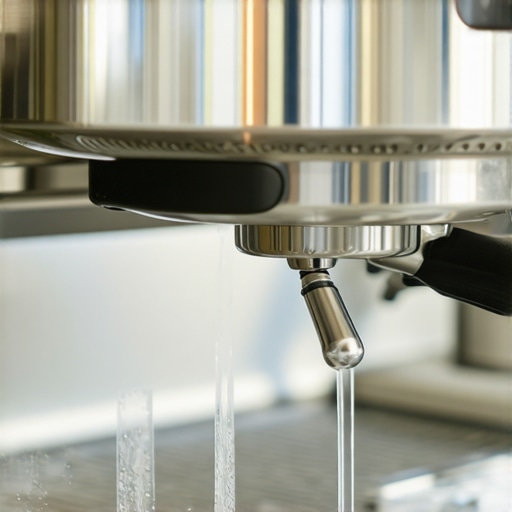
Have you ever taken a sip of your freshly brewed espresso only to be hit with an unexpected, off-putting smell? I remember the first time it happened to me. I was excited for my morning ritual, only to be greeted by a wonky, sour aroma instead of that rich, inviting scent I craved. It was a lightbulb moment that my beloved coffee machine needed more than just routine use—it needed a deep clean that I hadn’t been giving it.
Why Your Super Automatic Espresso Machine Might Be Running Smelly
Turns out, neglected maintenance can turn your favorite brewing companion into a source of horrible odors. If you’ve been shrugging off those little signs—like weird smells or persistently bad-tasting espresso—you’re asking for trouble. Deep cleaning isn’t just about hygiene; it directly impacts flavor and efficiency. I’ve learned that over time, built-up coffee oils, mold spores, and mineral deposits can turn your machine into a breeding ground for odor-causing bacteria. A study by the Specialty Coffee Association indicates that regular cleaning is essential to maintain the aroma and taste we all cherish.
Is Deep Cleaning Worth the Effort? Debunking the Skepticism
One mistake I made early on was dismissing the importance of thorough cleaning—thinking quick rinses would suffice. Spoiler: it doesn’t. Skipping deep cleaning led to a persistent sour smell, and my espresso’s flavor suffered dramatically. If you’ve ever wondered whether investing time into deep cleaning is really necessary, I encourage you to consider how much a good clean can revive your coffee experience. Let’s face it—without proper maintenance, even the best espresso setup is doomed to underperform.
Today, I’m going to share four deep cleaning tactics that have truly transformed my coffee routine and can do the same for you. Whether you’re dealing with stubborn odors or just want consistently fresh-tasting espresso, these strategies will help you breathe new life into your machine and keep it running smoothly into 2026 and beyond.
Ready to get your espresso tasting better than ever? Let’s dive into the steps that make a tangible difference.
Start with a Clear Plan for Cleaning
Before diving into cleaning, gather all necessary supplies such as descaling solution, cleaning tablets, a soft cloth, and brushes. Just like preparing ingredients before cooking, having everything ready streamlines the process. I once tried to clean mine without assembly, leading to missed spots and a longer mess. To prevent this, I watched tutorials and read the manual—no shame in that. Check your machine’s user guide for model-specific instructions.
Disassemble and Access the Internal Components
Start by turning off the machine and unplugging it. Remove removable parts like water filters, drip trays, and bean hoppers. For internal components like the brew group, carefully follow your manual’s disassembly steps. I remember my first attempt; I gently pried open the brew group with a plastic tool, being careful not to scratch delicate parts. This step exposes the buildup of coffee oils and mineral deposits that contribute to odors. Clogging and buildup are common culprits, so taking it apart ensures thorough cleaning.
Clean the Brew Group Thoroughly
Use a soft, damp cloth or a small brush to scrub away coffee residues. For stubborn grime, soak parts in a vinegar solution (1 part vinegar to 2 parts water) for about 20 minutes. Scrub gently to prevent damage. In my experience, neglecting this leads to sour smelling espresso. After cleaning, rinse thoroughly and let dry completely before reassembling. This meticulous step prevents bacteria and mold from thriving, which are major odor sources.
Descale for Mineral Deposits
Mineral buildup from water affects both flavor and machine longevity. Run a descaling cycle with a commercial descaler or a vinegar solution if your machine allows. Follow your specific model’s descaling instructions—many machines have built-in routines. During descaling, I once forgot to rinse the machine properly, leaving a vinegary taste in my espresso. Afterward, I ran multiple water cycles, which eliminated the residual vinegar. Regular descaling prevents internal clogs that produce unpleasant odors and reduces the need for future deep cleans.
Wipe Down External Surfaces and Milk Frother
Use a damp cloth with mild detergent to clean the machine’s exterior. Pay special attention to buttons and displays, which can accumulate grease. For the automatic milk frother, clean after each use by flushing with water and using a cleaning brush. I once neglected this, leading to stubborn milk residue that caused a sour smell. Regular wipe-downs maintain a fresh appearance and odor-free operation.
Reassemble and Perform a Rinse Cycle
After thoroughly cleaning all parts, reassemble the machine carefully. Run a clean water cycle without coffee to flush out any remaining cleaning agents or vinegar. This step ensures your next shot of espresso is pure and free of cleaning residues. I learned this the hard way when I forgot to rinse, resulting in bitter-tasting coffee. Following manufacturer instructions or checking the manual helps achieve optimal results.
Establish a Regular Cleaning Routine
Consistency is key. Schedule deep cleanings every 1-2 months, depending on usage. Daily maintenance with quick rinses prevents buildup, reducing the frequency of intensive cleaning sessions. I now keep a cleaning schedule, which drastically reduces sour odors and keeps my espresso tasting fresh. Remember, neglecting these steps turns your machine into a source of bad smells and poor brew quality. For ongoing maintenance tips, check the habits to avoid.
Many enthusiasts believe that choosing the most expensive super automatic espresso machine guarantees flawless results. However, experience shows that even top-tier models can fall prey to common pitfalls if users overlook essential nuances. One prevalent misconception is that maintaining equipment isn’t as critical as choosing the right model. In reality, meticulous maintenance, especially regarding the grinder alignment and milk frother cleaning, profoundly impacts the quality of your brew. For instance, improper grinder burr alignment not only causes uneven extraction but can also lead to bitter or weak espresso, undermining the very purpose of investing in a high-end machine. You might think that the automatic milk frother handles itself, but neglecting regular cleaning leads to flat, unappealing foam and even mold buildup, which can be detrimental to health. Interestingly, a study published in the Journal of Food Science highlights how microbial contamination increases dramatically in neglected frothing systems, emphasizing the importance of routine upkeep.
Are All Bean to Cup Machines Created Equal in Performance?
Not quite. Many assume that all bean to cup setups deliver consistent flavor, yet subtle differences in grinder calibration and bean freshness can cause significant variations. An overlooked but crucial aspect is the grinder’s burr alignment; misaligned burrs can produce inconsistent grind sizes, resulting in over-extraction or under-extraction, each affecting taste profoundly. Regularly calibrating your grinder and choosing beans suited for your specific machine can elevate your espresso from mediocre to top-shelf. For tailored advice, check out the espresso grinder fundamentals.
Moreover, there are misconceptions about the simplicity of cleaning cycles. Many think a quick rinse is sufficient; however, complex internal components like the brew group and internal water pipelines require deep cleaning to prevent buildup of coffee oils and mineral deposits that cause off-flavors and odors. Avoid the trap of neglecting this critical step, as it can compromise both flavor and machine longevity. For comprehensive cleaning strategies, review our latest cleaning guide.
In essence, mastering your super automatic espresso setup involves understanding and addressing these nuanced factors. Do you still believe that simply owning a premium machine guarantees perfect coffee every time? Think again. Paying attention to maintenance details, understanding your equipment’s quirks, and avoiding these common myths can make all the difference in your espresso experience. Have you ever fallen into this trap? Let me know in the comments.
Ensuring your super automatic espresso machine remains in peak condition over the years hinges on investing in the right tools and adopting disciplined maintenance routines. Personally, I rely on a combination of specialized cleaning devices and software routines that streamline upkeep and safeguard my coffee investment. One essential tool I use regularly is an ultrasonic cleaner, which effectively dislodges coffee oils and mineral residues from internal components like the brew group and water lines. This method, endorsed by professional baristas, extends the lifespan of the machine and preserves the nuanced flavors of freshly ground beans.
How do I maintain my espresso setup over time?
To keep your equipment consistently performing, I recommend scheduling deep cleaning cycles every month for your bean-to-cup system, especially if you have hard water or high usage. Descaling is crucial; I use a descaling solution recommended by expert sources because it prevents internal buildup without damaging delicate parts. For grinder calibration, I employ a burr alignment kit, ensuring even grind consistency — vital for rich crema and full-bodied shots. To track your maintenance routine and avoid forgetting essential steps, I utilize a dedicated coffee machine management app, which reminds me when to clean, descale, or replace filters. These tools combine to form a comprehensive strategy that minimizes breakdowns and keeps your espresso tasting pristine year after year.

Future trends: Smarter maintenance for your coffee machine?
Looking ahead, the integration of IoT technology in espresso machines promises to revolutionize long-term maintenance. Firmware updates could notify owners of impending descaling needs or component wear, preventing costly repairs. In fact, recent patents show designs for smart sensors that monitor mineral accumulation and motor health in real-time. Embracing these innovations will likely make maintaining your espresso setup more predictive and less reactive, ensuring your brew stays exceptional for decades. For now, combining reliable manual tools like ultrasonic cleaners and calibration kits remains essential — but stay tuned for how AI-driven diagnostics could simplify this process even further.
Get hands-on with an advanced tip
One practical step I highly recommend is performing a virtual calibration of your grinder using a digital scale and a timed grind. This ensures consistent particle size and extraction strength, directly impacting flavor and crema. By fine-tuning your grinder’s burr alignment with precision, you’ll notice immediate improvements in shot quality. For detailed instructions, check out our burr alignment guide. Don’t hesitate—try this calibration today and experience the profound difference it makes in your daily espresso ritual. Consistent maintenance isn’t just about longevity; it’s about elevating every shot to barista quality.
Lessons the Coffee Whisperers Don’t Usually Share
Over the years, I’ve discovered that truly mastering your super automatic espresso machine involves more than routine cleanings—it’s about trusting your intuition and paying attention to subtle signs. One lightbulb moment was realizing that a slight increase in brew time could indicate internal clogging. I also learned that patiently observing the machine’s sounds and aromas can alert you to potential issues before they escalate. These insights have made my coffee ritual not only more consistent but also more satisfying, and I believe they’re invaluable lessons that often go unnoticed by casual users.
Tools and Resources That Changed My Brewing Game
For anyone serious about super automatic espresso, investing in the right tools transformed my maintenance routine. An ultrasonic cleaner became my secret weapon for deep cleaning internal parts without disassembly, extending the lifespan of my machine and improving flavor. I also rely heavily on a digital burr alignment kit—precisely calibrating my grinder has significantly enhanced shot consistency. To stay organized, I use a coffee maintenance app that sends reminders for descaling and filter replacements. Lastly, I turn to expert blogs and the official ultimate guide for in-depth advice, helping me troubleshoot issues effectively and stay ahead of wear and tear.
How Embracing Maintenance Can Elevate Your Coffee Passion
If you’re dreaming of consistently rich, flavorful espresso, the key lies in your willingness to care for your machine as you would a cherished hobby. Remember, every deep clean, calibration, and descaling session brings you closer to that barista-quality experience. I encourage you to see maintenance as an act of love—each step is an investment in the future of your coffee journey. The more you nurture your equipment, the more your passion will flourish, turning everyday brewing into a source of joy and pride. So, are you ready to take your super automatic espresso mastery to the next level? Dive in today, and share your progress—your perfect cup awaits.
![Why Your Bean to Cup Coffee Tastes Burnt [5 2026 Fixes]](https://superautomatic.espressotechguide.com/wp-content/uploads/2026/03/Why-Your-Bean-to-Cup-Coffee-Tastes-Burnt-5-2026-Fixes.jpeg)