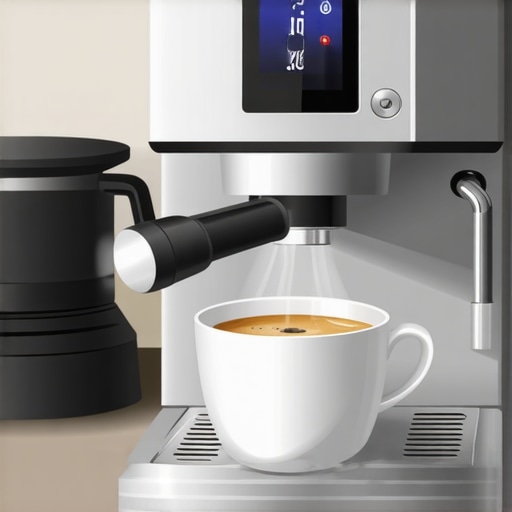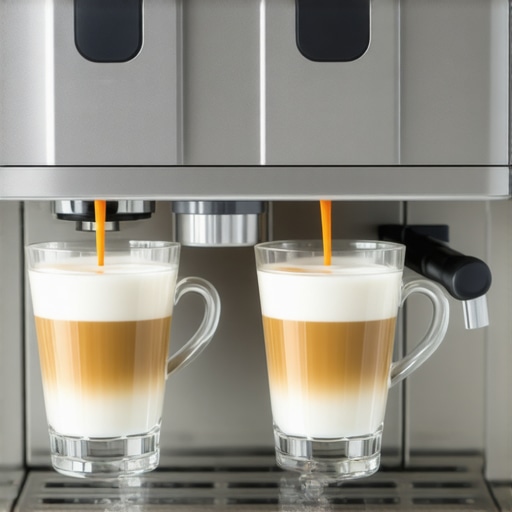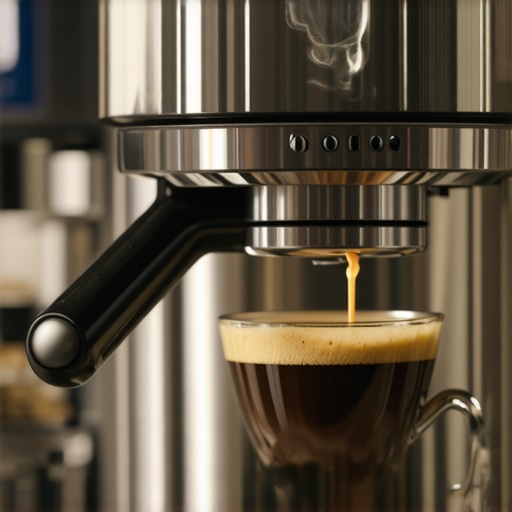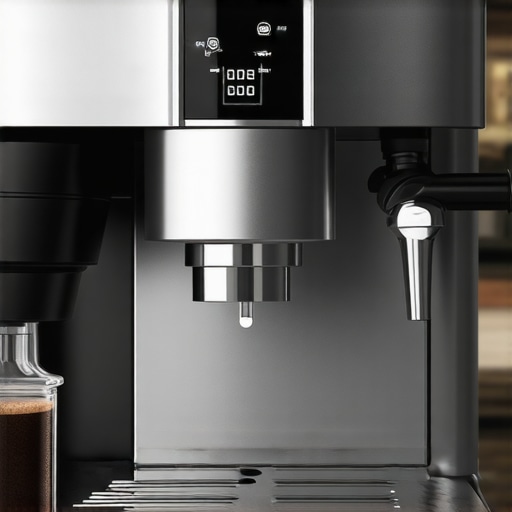
It was a morning like any other. I eagerly loaded my favorite beans into my super automatic espresso machine, dreaming of that luscious, velvet-like crema. But instead, I was met with a disappointing, thin shot that lacked body and soul. Frustration crept in as I realized my trusty grinder was the culprit. That lightbulb moment made me ask: how many of us are unknowingly battling subpar espresso just because of a tiny, overlooked issue?
Why Your Espresso Might Be Missing Its Richness — And How to Fix It
If you’ve ever experienced a shot of espresso that tastes more like water than the bold brew you crave, you’re not alone. Many espresso enthusiasts face this problem, especially with super automatic machines where the grinder plays a crucial role. Over time, grinders can get clogged, misaligned, or simply worn out, leading to uneven coffee grounds and, consequently, that disappointing thin shot.
But here’s the good news: most of these issues are fixable with some simple adjustments. I’ve been through the same struggles, and after some trial and error, I found effective ways to restore my machine’s performance without costly repairs or replacements.
For instance, I once made the mistake of ignoring regular cleaning, which led to stale coffee buildup and inconsistent grinds. That experience taught me that maintenance is key. If you’re wondering whether a minor tweak can make a big difference, I invite you to keep reading. We’ll explore four practical fixes that can transform your espresso experience, ensuring every cup is as rich and flavorful as it should be.
To get a deeper understanding of what makes a super automatic espresso machine tick, check out this comprehensive guide. Now, let’s dive into what might be causing that thin shot and how you can set things right.
Clean and Calibrate Your Grinder Regularly
Think of your grinder as the heart of your espresso setup; a dirty or misaligned grinder can lead to uneven grounds and weak shots. I once ignored cleaning my grinder for weeks, leading to clogs that caused inconsistent grind sizes. To fix this, I disassembled the burrs, brushed off residual coffee, and reassembled following the manufacturer’s guide. Afterward, my espresso shot improved dramatically, developing a richer crema and more balanced flavor. Schedule weekly cleanings and check the burr alignment using the espresso grinder essentials resource for detailed steps.
Adjust Grind Settings Precisely
Small tweaks in grind size can make a big difference in extraction quality. I recommend starting with a medium-fine setting and then dialing finer or coarser based on taste and shot timing. When I first began, I kept the grind too fine, resulting in a bitter, over-extracted shot. I corrected this by making tiny adjustments—less than a quarter turn—and testing each time. Use a scale to time your extraction; ideally, a 25-30 second pull for a balanced shot. For detailed guidance, check out the espresso grinder guide.
Tweak Your Machine’s Dose and Tamping
Consistency in the amount of coffee and tamping pressure is crucial. I used to guesstimate my dose until I measured out 18 grams of coffee for each shot. Tamping with about 30 pounds of pressure created a uniformly compact puck, ensuring even water flow. I experimented with different tamping pressures and observed the impact on extraction time and flavor. A stable, level tamp reduces channeling—where water finds the easiest path and results in weak espresso. Consider using a digital scale for dose accuracy and a tamper with a built-in pressure gauge for consistent tamping.
Maintain and Clean Your Machine’s Parts
Residual oils and mineral deposits can clog internal channels, affecting water flow and coffee flavor. I once ignored descaling my machine, which caused water to flow slowly and produced underwhelming shots. Regular descaling using manufacturer-approved solutions restored optimal flow and improved taste. Remove and clean the brew head, portafilter, and water reservoir weekly. For detailed cleaning routines, visit the automatic milk frother maintenance page for extra tips.
Experiment with Water Temperature and Pressure
Though super automatics handle this internally, some machines allow adjustments or calibration. I once experienced sour-tasting espresso, which I fixed by slightly increasing the temperature setting via the machine’s menu. Remember, higher temperature (around 90-96°C) enhances extraction, but too hot can burn the coffee. Check your machine’s manual for calibration options or visit the calibration tips for guidance. A consistent pressure (around 9 bars) ensures even extraction, contributing to a balanced flavor profile.
Many espresso enthusiasts believe that owning the latest grinder or the most advanced super automatic machine guarantees perfect coffee every time. However, even seasoned baristas can fall into common traps, especially when it comes to understanding the subtle nuances that make a significant difference in flavor and consistency. One prevalent myth is that grind size alone determines shot quality; in reality, factors like burr alignment and machine calibration play crucial roles. Overlooking these details can lead to persistent issues, such as inconsistent extraction or dull aromas. For example, a misaligned burr set may produce uneven grounds, resulting in watery or bitter espresso despite a fine grind setting. Advanced users should focus not just on the equipment but on mastering maintenance routines to prevent clogging and ensure longevity. Moreover, many assume that super automatic machines require no user intervention—this is far from true. Regular internal cleaning, precise calibration of pressure and temperature, and understanding the machine’s feedback are essential for optimal performance. A common pitfall is neglecting the actual bean quality, which can overshadow even the most sophisticated gear if not selected carefully. To truly elevate your espresso experience, invest time in understanding the intricate interplay between hardware and technique. For expert insights, check out this comprehensive guide to top-tier espresso machines. Remember, perfection isn’t just about cutting-edge tech but about the nuanced adjustments and knowledge behind the scenes. Have you ever fallen into this trap? Let me know in the comments.
Keeping Your Espresso Gear Running Smoothly
Investing in high-quality espresso equipment is just the beginning; ensuring its longevity requires deliberate maintenance and the right tools. I personally rely on a few specific items that make the upkeep seamless and effective. One of my essentials is a precision burr cleaning brush, like the espresso grinder brush, which helps me remove residual coffee dust from the burrs without disassembling the entire grinder. This keeps the grind consistency sharp and prevents clogs that could lead to subpar shots.
Another indispensable tool is a calibrated water tester, such as a TDS (Total Dissolved Solids) meter, which I use weekly to monitor my water quality. Proper water quality prevents mineral buildup inside the machine, reduces descaling frequency, and maintains optimal temperature and pressure. Consistent monitoring with a reliable device ensures my super automatic espresso machine remains in peak shape long-term.
For cleaning internal components, I swear by manufacturer-approved cleaning tablets and descaling solutions. Regularly descaling your machine, as detailed in the automatic milk frother maintenance guide, prevents mineral deposits from clogging internal channels, preserving water flow and flavor extraction. I schedule descaling every 2-3 months depending on usage and water hardness, which has drastically extended the lifespan of my machine.
To keep your grinder aligned and functioning flawlessly, I recommend periodic calibration using a digital gauge and following the detailed instructions in the grinder essentials guide. Proper alignment not only improves crema quality but also prevents uneven extraction and bitter flavors.
How do I maintain my espresso equipment over time?
Regularly cleaning, calibrating, and monitoring key parameters are critical steps. Use precise tools like the burr cleaner and water testers to catch issues early. Establish a routine—weekly cleaning of brew heads, monthly descaling, and adjustment of grind and tamping techniques. As technologies evolve, I predict more machines will incorporate smart sensors that alert you to necessary maintenance tasks, making upkeep even more intuitive in the future.
Don’t overlook the importance of quality tools—they’re the backbone of consistent espresso. Try integrating a professional-grade burr brush and a water testing kit into your routine; you’ll be surprised by the improvements in shot consistency and machine longevity. For comprehensive maintenance routines, explore the ultimate guide and contact support if you have specific questions.
What I Wish I Knew When I Started Dialing In My Espresso Gear
One of the toughest lessons I learned was that even top-tier equipment can’t compensate for inconsistent maintenance routines. Neglecting simple tasks like regular cleaning or calibration ultimately sabotages flavor and crema quality. I discovered that dedicating just a few minutes weekly to clean my grinder and descale my machine made a palpable difference in shot richness. It taught me that mastery begins with attention to routine, not just shiny hardware.
Another revelation was that grind settings are a dynamic part of the process—what worked last month might not today due to humidity or bean freshness. So, I started approaching it like a chef tasting and adjusting seasonings, tiny tweaks here and there. This iterative mindset elevated my espresso beyond basic routines into a craft, making each shot a personalized masterpiece.
Finally, I realized that water quality is often underestimated. Upgrading to a TDS meter and monitoring my water softened the impact of mineral buildup, helped in maintaining optimal temperature, and improved overall taste. Polishing my understanding of water’s role underscored an often-overlooked aspect of perfect espresso — it’s about the entire ecosystem, not just the grinder or machine alone.
Tools and Resources That Changed My Coffee Game
For anyone serious about elevating their espresso game, I swear by the espresso grinder essentials guide. It helped me troubleshoot uneven grounds and align my burrs precisely, which was transformative. Combining that with a calibrated milk frother improved my milk textures, bringing barista-level foam to my kitchen.
The bean-to-cup guide opened my eyes to selecting beans that complement my equipment, emphasizing the importance of freshness and origin. And my Water Quality Meter has been a quiet hero, preventing mineral buildup and ensuring consistent extraction — I’ve never looked back.
Your Espresso Journey Has Only Just Begun
The path to exceptional espresso isn’t about buying the latest tech; it’s about understanding and respecting the nuances of your setup. Every tweak, every clean, and every choice in beans brings you closer to that elusive, perfect shot. Embrace the challenge with patience and curiosity, and you’ll find that the journey itself is as rewarding as the coffee you’ll enjoy.
Are you ready to give your espresso setup the attention it deserves? What’s the one tweak you’ve been hesitant to try but suspect could transform your brew? Share your thoughts below — I love hearing about your successes and challenges in this craft.
,