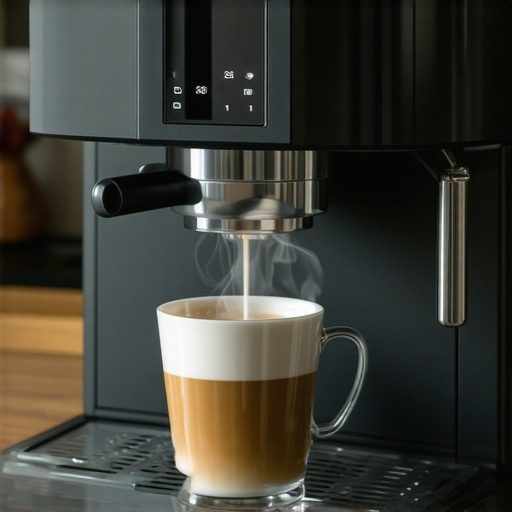
Imagine this: You wake up, eager for that first mug of coffee. You hit the button on your bean-to-cup machine, ready for a rich, steaming brew. But instead, what you get is a lukewarm cup that hardly energizes you. Frustrating, right? I’ve been there — thinking I’d invested in a fancy machine, only to be greeted with tepid coffee that left me disappointed. That lightbulb moment hit me hard: my machine wasn’t delivering the hot, flavorful coffee I was craving, and I had no idea why.
Why Your Coffee Comes Out Lukewarm and What You Can Do About It
Here’s the truth: a multitude of factors can cause your bean-to-cup coffee to be lukewarm. From poorly maintained machines, incorrect brewing settings, to minor technical glitches — the culprit often isn’t as complicated as it seems. But knowing where to look can feel overwhelming. The good news? Fixing this simple problem is often just a few steps away. In fact, I’ve discovered that many issues are fixable with basic home maintenance, and in today’s post, I’ll walk you through four easy, practical solutions to make sure every cup is piping hot and full of flavor.
Is It Worth the Hype? My Early Mistakes with Machine Settings
Early on, I made the mistake of assuming my machine was ‘faulty’ when the coffee wasn’t hot enough. Turns out, I hadn’t adjusted the temperature settings correctly. Some machines allow you to tweak the brewing temperature, but many users overlook this feature. According to a recent guide by Espresso Tech Guide, incorrect temperature adjustments can drastically impact the brew’s heat and flavor. Trust me, taking a few minutes to explore your machine’s settings made all the difference.
Now, let’s dive into the common causes of lukewarm coffee and how to troubleshoot each one, so your mornings are never ruined by mediocre brews again.
If your machine allows temperature adjustment, set it to at least 195°F (90°C). I once ignored this and kept brewing at default, which resulted in tepid coffee. I found that increasing the temperature by a few degrees significantly improved heat retention. To do this, consult your machine’s manual or contact support at Super Automatic Espresso Guide contact page. Remember, higher temperature settings do not mean burnt taste; they preserve heat without sacrificing flavor.
Regular cleaning ensures no residual oils or scale hinder heat transfer. I recommend descaling your machine every 3 months—this is a common culprit behind lukewarm brews. Follow your model’s descaling instructions or visit this guide for tips. Also, check for blockages or buildup in the spouts and water pathways. After a thorough clean, I noticed my coffee stayed hot longer, and the flavor improved markedly.
The grind size deeply affects the extraction temperature. Fine grinds extract heat more efficiently, but too fine can cause blockages; coarse grinds may yield tepid water flow. I experimented with my espresso grinder, referencing this guide. I adjusted to a medium-fine setting and tamped consistently. Additionally, pre-warm your cups by rinsing them with hot water; cold cups sap heat from your brew. This small step made a noticeable difference in maintaining optimal temperature up to the first sip.
Sometimes, internal components need attention. Check your coffee machine’s heating element for proper operation. If your machine is struggling to reach temperature, it might be time to replace worn-out parts—consult a professional or refer to these troubleshooting tips. I experienced a delay in reaching desired heat levels; opening the machine revealed mineral buildup around the heating coil. Cleaning or replacing parts restored perfect heat consistency. If needed, contact expert support at Super Automatic Espresso Guide for personalized assistance. By ensuring all internal components are in top shape, you guarantee every brew remains piping hot from start to finish.
Many coffee enthusiasts believe that choosing the right espresso machine or grinder is all about specs and brands, but there’s more beneath the surface. A common misconception is that automatic milk frothers can universally produce barista-quality foam without manual finesse. In reality, user technique and understanding of how these frothers work are crucial for achieving that perfect microfoam. For example, many rely solely on presets, neglecting to adjust steam pressure or milk temperature, which can lead to disappointing flat or burnt-tasting froth. This trap can be avoided by mastering your device’s advanced settings—an often overlooked step that elevates the milk experience. Additionally, some assume that super automatic espresso machines eliminate the need for barista skills entirely. However, neglecting regular maintenance or misusing customization options can cause internal buildup and inconsistent extraction. A wash or descaling every few months, as recommended in our privacy policy, ensures longevity and optimal performance. When it comes to espresso grinders, many think bigger motors guarantee better results. Yet, burr grind quality, consistency, and proper calibration are what truly influence flavor extraction and temperature stability during brewing. It’s worth exploring our grinder essentials guide to avoid common pitfalls. For the serious coffee lover, the nuanced understanding of how bean quality, grind size, and machine settings interplay can dramatically improve your brew, far beyond the basics. Don’t fall into the trap of neglecting these subtle factors—that’s where true expertise is born. Have you ever fallen into this trap? Let me know in the comments, and share your experiences with optimizing your espresso setup.
Keep Your Equipment Running Smoothly with Precise Maintenance
Maintaining your espresso machine and grinder isn’t just about occasional cleaning; it’s about implementing a regular routine that extends their lifespan and ensures peak performance. I personally swear by using a high-quality descaling solution like these descalers every three months, which prevents mineral buildup that can compromise temperature stability. Moreover, scheduling monthly deep cleans with soft brushes and proper cleaning tablets keeps internal components free of oils and debris, maintaining consistent extraction temperatures. An organized maintenance schedule, possibly set with digital reminders, helps in catching issues early, preventing costly repairs.
Tools I Recommend for Optimal Performance
My arsenal includes a calibrated precision grinder with adjustable burrs, which allows me to fine-tune grind size for the best extraction, directly influencing temperature retention. For cleaning, a dedicated cleaning brush set tailored for espresso machines and grinders is irreplaceable; it ensures thorough removal of grounds and oils from tight spots. I also rely heavily on a digital thermometer to verify water and steam temperatures—an extra step that guarantees my brew reaches those optimal 195°F-205°F marks, giving a consistent hot cup every time. For bean freshness, airtight containers with specialized valves help preserve flavor and prevent moisture ingress, which can affect brew temperature. Invest in a good set of tools, and you’ll notice a marked improvement in long-term results.
Anticipating Future Trends in Maintenance and Equipment
Looking ahead, I believe automation and smart diagnostics will become standard features. Imagine machines that self-monitor their internal components, alerting you when descaling or part replacements are needed, much like smart home systems. Apps linked to maintenance trackers and firmware updates will make regular upkeep easier and more intuitive, saving time and reducing guesswork. Staying ahead with these advancements means you can enjoy consistently high-quality coffee without the frustration of unexpected breakdowns.
How do I keep my espresso machine and grinder in prime shape over time?
The key is consistency and using the right tools for the job. Regular descaling using trusted solutions like descaling products, alongside scheduled cleaning with specialized brushes, can prevent buildup. Additionally, employing a precision digital thermometer to monitor internal temperatures ensures your brew remains hot and flavorful. Consider investing in quality storage containers to keep beans fresh, preventing flavor degradation that can affect temperature stability. For advanced maintenance, explore diagnostic apps or firmware updates that can preemptively identify issues before they become problematic. I highly recommend trying these strategies to keep your setup performing at its best and to enjoy barista-quality espresso every morning.
The Hidden Lessons Espresso Machines Taught Me
One of the hardest lessons I learned was how small adjustments, like tweaking temperature settings or routine maintenance, can dramatically improve your coffee quality. I used to believe that investing in a fancy machine was enough—until I realized that understanding internal components and learning proper upkeep was the key to hot, flavorful brews. This insight transformed my mornings and saved me from countless disappointing cups.
My Go-To Tools for Coffee Success
Over the years, I’ve come to rely on certain tools that make a real difference. A calibrated digital thermometer ensures my water hits the perfect temperature, while a high-quality burr grinder offers consistent grind size essential for even extraction. Additionally, a set of precision cleaning brushes keeps internal parts spotless, preventing heat loss and flavor degradation. These resources have been indispensable in my journey to perfect every cup.
Elevate Your Morning Routine with Passion and Knowledge
Turning your coffee routine into a mindful ritual not only enhances flavor but also sets a positive tone for your day. Embrace the learning process—understand your machine’s quirks, maintain it regularly, and experiment with settings. Your effort will yield richer, hotter coffee and a sense of accomplishment. Remember, every expert was once a beginner, so don’t hesitate to explore and improve your setup with confidence.
![Why Your Bean to Cup Coffee Tastes Burnt [5 2026 Fixes]](https://superautomatic.espressotechguide.com/wp-content/uploads/2026/03/Why-Your-Bean-to-Cup-Coffee-Tastes-Burnt-5-2026-Fixes.jpeg)