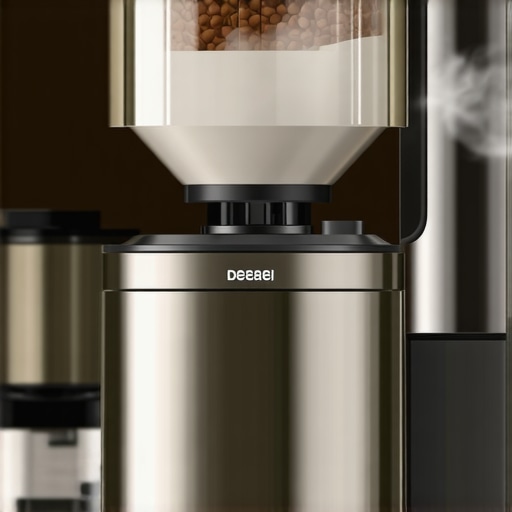
There was this frustrating morning when I reached for my espresso grinder, and instead of the smooth grind I was used to, I was greeted with a burning smell and a machine that felt hotter than a summer day. I hesitated, wondering if I had somehow roasted my beans in the process. That moment was a lightbulb for me—my grinder was overheating, and it was affecting my coffee’s flavor and the machine’s longevity. If you’ve ever experienced similar issues, you know how disheartening it can be; your perfect brew suddenly turns sour or bitter, leaving you questioning what’s going wrong.
Understanding Why Your Grinder Can Turn into a Mini Sauna
Espresso grinders are marvels of precision, grinding beans to extract those rich flavors. But they can also become little heat generators if not properly managed. Over time, I learned that high temperatures in your grinder stem from continuous use without proper cooling tactics. This heat can compromise the oils in your beans, leading to flat-tasting espresso, and even cause long-term damage to your equipment. According to industry experts, excessive heat in grinders not only diminishes flavor but can lead to mechanical failures—something no home barista wants to deal with. I made the mistake early on of ignoring the signs of overheating, thinking a quick rest or a cleaning was enough. That was a costly misconception. As I got more serious about my coffee craft, I discovered practical cooling techniques that transformed my experience and results.
Is a Cooler Grinder Really Worth All the Hype?
Initially, I dismissed the importance of cooling tactics, assuming they were more for professional cafés than home setups. But once I saw what a difference they made—richer crema, clearer flavors, and longer-lasting equipment—I became a believer. The truth is, neglecting proper cooling can turn your daily coffee ritual into a repeat of machine malfunctions and flavor disasters. So, if you’re tired of battling inconsistent results or overheating, keep reading. I’ll share my tried-and-true methods to keep your grinder cool and your coffee truly special.
Implement a Cooling Routine During Heavy Use
When I barista at home, I noticed my grinder overheating after back-to-back espresso shots. To combat this, I started incorporating short breaks—pause for 30 seconds every 2 minutes of grinding. This mirrors how professional cafes limit continuous grinding periods. Once I adopted this, my grinder stayed cooler, and my beans retained their oils, resulting in richer flavor. Use a timer to track your grinding sessions and ensure consistent rest periods to prevent heat buildup.
Utilize Airflow and Ventilation Effectively
Another step I took was improving airflow around my grinder. I placed it in a well-ventilated area, away from enclosed cabinets. Consider using a small desk fan directed at the grinder during extended sessions—this accelerates heat dissipation, much like a cooling fan on a GPU during gaming. Be cautious, though, to avoid dust intrusion; keep the area clean. Proper ventilation is crucial for maintaining optimal operating temperatures and prolongs your grinder’s lifespan.
Clean and Maintain Your Grinder Regularly
During a particularly messy weekend, I neglected my grinder’s cleaning schedule and noticed an increase in temperature and inconsistent grinds. Adopting a weekly cleaning routine—disassembling burrs and removing coffee residue—minimized heat retention. Think of this like changing the oil in your car; clean components run cooler and more efficiently. Use a brush and grinder-specific cleaning tablets to remove oils and debris that can insulate heat, thus keeping your grinder cool during heavy use.
Monitor Temperature and Adjust Usage
Initially, I didn’t realize my grinder’s temperature could be tracked manually—until I invested in a thermometer designed for electronic devices. Monitoring the temperature during operation helped me identify overheating trends. When I saw temperatures rise above 55°C, I reduced grind time or added extra rest periods. Just as a professional barista would adjust grind size or dosing to optimize flavor, managing thermal load is vital for consistent performance. Regularly check and record temperatures to fine-tune your cooling strategy.
The Secret Weapon: Pre-Grind and Batch Management
One innovative trick I learned was batching my beans prior to grinding. By pre-measuring doses and grinding in smaller batches, I reduced continuous operation time. Think of it like a chef prepping ingredients—by breaking tasks into manageable segments, the kitchen runs cooler and more efficiently. This method prevents the grinder from overheating during long sessions and preserves bean freshness, ensuring each shot tastes as vibrant as the first. Try setting up your workflow similarly to optimize both temperature control and coffee quality. For more tips on customizing your setup, visit this comprehensive guide.Many coffee enthusiasts believe that investing in high-end equipment guarantees perfect espresso, but the reality is much more nuanced. A common myth is that super automatic machines can replace barista-level control entirely, yet overlooking the importance of proper maintenance and understanding machine capabilities can lead to subpar results. For example, some think that automatic milk frothers produce cafe-quality foam effortlessly, but without the right technique or milk type, the foam can be thin or unstable, compromising the final cup.
What Do Advanced Users Overlook About Grinder Calibration?
While beginner advice often emphasizes choosing the right grind size, experienced espresso lovers know that calibration involves paying attention to burr alignment and consistency over time. Small deviations can produce flat or bitter shots, especially with bean-to-cup systems sensitive to grind precision. According to coffee expert Scott Rao, meticulous calibration is crucial for extracting optimal flavors and avoiding common pitfalls like channeling or uneven extraction. Regularly checking and adjusting your grinder’s settings, and understanding its idiosyncrasies, sets apart seasoned baristas from casual drinkers.
Beware of the trap many fall into: relying solely on automatic settings without regard for nuances like bean freshness, ambient humidity, or machine wear. For instance, neglecting to descale your machine regularly can lead to pressure inconsistencies and weak crema, undermining your investment. External research from the Specialty Coffee Association underlines that maintenance frequency directly correlates with consistency and flavor quality. To master your equipment, integrate routine calibration checks and stay informed about maintenance best practices. Discover more expert tips on [superautomatic espresso machines’ maintenance](https://superautomatic.espressotechguide.com/ultimate-guide-to-super-automatic-espresso-machines-for-home-use-2025) and avoid common errors that diminish your brewing experience. Embark on this journey of technical mastery, and you’ll always get the most out of your setup, impressing even the most discerning coffee connoisseurs. Have you ever fallen into this trap? Let me know in the comments.
Invest in Calibration Tools for Consistent Results
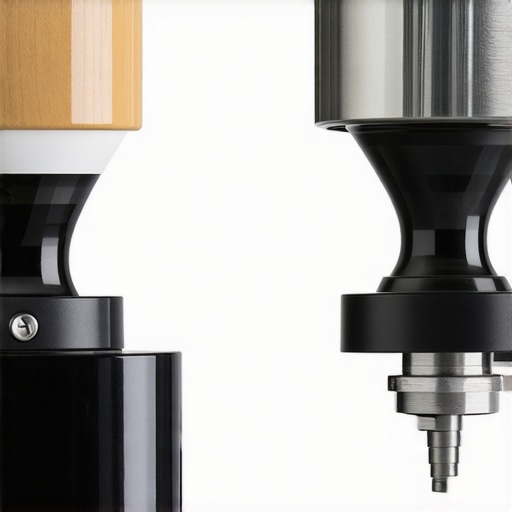
Maintaining the perfect espresso starts with precision calibration. I personally use a digital calibration scale that measures grind consistency down to 0.1 grams, ensuring each batch is uniform. This level of accuracy prevents uneven extraction and prolongs your equipment’s lifespan. Regular calibration with these tools helps catch deviations early, saving time and money in repairs or replacements. For bean-to-cup machines, a burr alignment gauge is vital—incorrect burr alignment can cause uneven grinding, which impacts flavor and increases wear. By integrating these tools into your routine, you cultivate a consistent espresso profile and avoid the unpredictability of manual calibration.
Why a Cleaning Schedule is Your Best Friend
Long-term performance hinges on regular maintenance. I schedule bi-weekly deep cleaning sessions using grinder-specific cleaning tablets and descaling solutions. This practice dissolves built-up oils and mineral deposits that can insulate heat and cause mechanical issues. A clean machine runs more efficiently, requires less frequent repairs, and produces better-tasting coffee. The key is adopting a routine—set reminders to clean your brewer, grind path, and milk frother. This proactive approach minimizes downtime and ensures your investment yields delicious results daily.
Tools That Aid in Troubleshooting and Scaling Up
Over time, I found that troubleshooting tools such as a pressure gauge kit help identify issues like pump pressure drops in super automatic machines, as explained in this expert guide. When considering expansion, a dedicated coffee shot timer allows precise extraction times, vital for scaling your espresso quality. These tools eliminate guesswork, making maintenance and upgrades more manageable. As my setup evolved, investing in a high-quality water filtration system also proved beneficial—reducing mineral buildup and preserving machine parts, especially in hard water areas.
Future Trends: Smarter Maintenance Through Tech
Looking ahead, I predict smart sensors embedded within machines to monitor heat levels, grinder health, and water quality in real-time, alerting owners to issues before they escalate. This automation will revolutionize long-term maintenance, transforming it from reactive to predictive. For now, leveraging current troubleshooting tools and maintaining a disciplined cleaning routine are your best bets. I recommend testing a calibration thermometer on your grinder to identify thermal spikes that could harm your machine, as discussed in this insightful article. Give one of these advanced tools a try today—they’re game changers for maintaining peak performance.
What I Wish I Knew About Preventing Overheating in My Espresso Setup
One of the most enlightening lessons I discovered was the critical importance of monitoring heat not just in the grinder but across my entire espresso system. Initially, I thought that simply cleaning my grinder and using it in a well-ventilated space was enough. However, I soon realized that integrating temperature checks and understanding thermal dynamics can make the difference between a mediocre shot and barista-quality espresso. This deeper awareness truly transformed my approach and results.
Gear and Resources That Bought Me Consistent Success
Over time, I developed a curated toolkit that keeps my espresso routine reliable. The bean selection guide helped me understand optimal bean freshness, while my digital calibration scale ensures uniform grinding. Investing in a burr alignment gauge improved my machine’s performance, and the automatic milk frother upgraded my milk wizardry. These tools and trusted resources consistently elevate my coffee, making every cup a pleasure rather than a gamble.
Your Journey to Coffee Confidence Starts Now
Every espresso enthusiast faces hurdles, but by applying these insights and embracing your equipment’s potential, you’re on your way to consistently extraordinary coffee. Remember, mastering your setup isn’t about perfection but progression—each tweak and test brings you closer to that perfect shot. Stay curious, keep experimenting, and let your passion drive every pour. The future of your coffee craft is brightest when you focus on continuous improvement and enjoy every step along the way.
What’s the one challenge you’re currently facing with your automatic milk frother, espresso grinder, or machine? Share your experience below—I’d love to hear how you’re elevating your espresso game!
![Why Your 2026 Espresso Grinder Burrs Trap Fine Dust [3 Fixes]](https://superautomatic.espressotechguide.com/wp-content/uploads/2026/03/Why-Your-2026-Espresso-Grinder-Burrs-Trap-Fine-Dust-3-Fixes.jpeg)