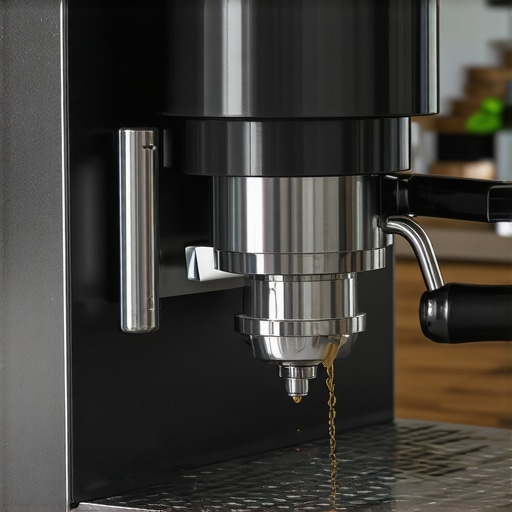
It was a quiet Sunday morning when I finally faced the cold reality: my beloved espresso grinder was only producing coarse grounds. After investing in what I thought was a top-tier machine, I was frustrated to find my perfect shot turning into a weak, watery mess. Ever been there? That lightbulb moment where you realize something’s off but can’t quite put your finger on it? If so, you’re not alone.
Why Your Espresso Grinder Is Stuck in Coarse Mode and Why It Matters
Many enthusiasts, myself included, have experienced the disheartening frustration of a grinder stuck grinding coarser than desired. It’s particularly vexing when you’re aiming for that perfectly balanced shot with rich crema and complex flavor. The truth is, a grinder that only produces coarse grounds can seriously undermine your entire coffee experience. But why does this happen?
Often, the culprit lies in either misaligned burrs, clogged grind pathways, or worn-out components that need calibration. As I dove deeper into the issue, I realized that many common mistakes could lead to the problem I was facing. For example, early on, I neglected to regularly clean and maintain my grinder, which caused build-up and sluggish operation. This is a mistake I now warn others about, especially considering that according to Espresso Grinder Essentials, routine maintenance is essential to keep all parts functioning optimally.
So, if your grinder has suddenly decided to grind only coarse, don’t worry. There are practical, effective steps to get it back to producing fine espresso grinds. Today, I’ll guide you through the exact fixes I wish I had known when I first encountered this issue. Ready to bring your grinder back from the dead? Let’s dive in.
Is Your Grinder Failing Despite Your Best Efforts?
I used to think that a good grinder should just work just like that, without much fuss. That was a mistake. Early on, I ignored the importance of proper calibration and regular cleaning. If you’re skeptical whether these fixes are worth it, consider this: neglecting routine maintenance can reduce your grinder’s lifespan and ruin your espresso. Plus, the fix might be simpler than you think. Ready to troubleshoot your grinder and get that perfect grind again? Let’s explore the foolproof solutions.
Disassemble and Clean Your Grinder Step-by-Step
First, unplug your grinder to ensure safety. Remove the hopper and beans, then take apart the burr assembly carefully, noting the orientation. Use a clean, dry brush to remove any coffee oils or residue—this prevents clogging and static build-up. I once neglected this step, and coffee grounds kept sticking, reducing grind quality. After cleaning, reassemble the parts. For stubborn build-up, a damp cloth with a mild cleaning solution can help, but avoid moisture contact with the electric components.
Check and Calibrate Burr Alignment
Proper burr alignment is vital for achieving fine, consistent grinds. Use the calibration instructions from your grinder’s manual, which often involve adjusting screw settings or spacers. I experimented with small tweaks, gradually dialing in to find the sweet spot for my dark roast beans. A misaligned burr results in uneven grounds, leading to watery espresso. Perform tests after each adjustment: grind a small amount and check the fineness, aiming for a texture similar to powdered sugar.
Replace Worn-Out Burrs or Worn Components
Burrs wear down over time, especially with frequent use. Dull burrs produce inconsistent grinds of varying size, which can cause extraction issues. If calibration doesn’t yield improvements, inspect the burrs for signs of dullness or damage; they should be sharply defined without chips. Replacing burrs is straightforward—consult your machine’s documentation or visit the manufacturer’s site. I replaced mine after 2 years, noticing a significant increase in grind consistency and espresso flavor quality. For example, after replacing the burrs, my shots had richer crema and more balanced flavor.
Ensure Your Grind Settings Are Correct and Consistent
Adjust the grind size setting to achieve a fineness suitable for espresso—typically the second or third notch from the finest. Use a consistent dosing method for each shot—either weight or volume—and note the settings. I kept a log of adjustments and results, which saved time during troubleshooting. Remember, setting the grind too coarse will only produce coarse grounds, so precise incremental adjustments matter.
Address Static Cling and Static Build-up Issues
Static can cause grounds to cling inside the grinder, affecting consistency. To combat this, try using anti-static brushes or grounding options. During a messy cleaning session, I noticed static kept causing grounds to jump and settle oddly, making dosing uneven. Using a damp cloth lightly on accessible parts helped reduce static. Incorporate anti-static sprays if necessary, but ensure they are safe for food-contact surfaces. Proper cleanliness and anti-static tactics streamline your grind process, helping you achieve that perfect espresso shot every time.
Optimize Bean Storage and Quality
Freshness impacts grind size and extraction. Store beans in an airtight container away from sunlight, heat, and moisture. Old beans tend to clog grinders or result in uneven grounds, leading to weak espresso. I learned this when my grinder started producing inconsistent results after a trip, due to stale beans. Fresh beans grind more uniformly and extract better flavors, making the effort to store properly well worth it. Also, consider choosing beans with higher oil content carefully, as some can cause more static or clogging.
Refine Your Routine and Maintenance Schedule
Set a regular cleaning schedule—ideally weekly or bi-weekly based on usage—to prevent buildup. Use specialized tools like grinder cleaning tools to reach difficult spots. During maintenance, check for loose parts or worn gears. I found that sticking to a routine stopped the emergence of coarser grounds and maintained consistent shot quality. Proper maintenance not only improves grind fineness but extends your grinder’s lifespan, ensuring reliable performance for years.
Many passionate baristas and coffee enthusiasts believe that mastering espresso hinges solely on choosing the right grinder or machine. However, this oversimplification leads many astray. One common misconception is that super automatic espresso machines automatically produce perfect shots without user intervention. In reality, they require nuanced settings and regular maintenance to deliver consistently rich flavors. Another myth is that bean freshness alone guarantees optimal extraction. While important, factors like grinder calibration and water quality play equally critical roles in achieving barista-level results. Overlooking these interconnected details can result in disappointing brews despite high-end equipment.
A critical aspect many miss is the importance of grinder burr material. Ceramic burrs, often touted for their durability, actually can produce static and uneven grounds if not properly managed, especially in humid environments. This static leads to grounds clinging inside the grinder, diminishing shot quality. According to expert insights, choosing the right burr material isn’t just about longevity but also about how it interacts with your brewing environment.
What about the advanced Mistake many make with automatic milk frothers? They tend to assume frothing is just a push-button task. But precise control over temperature and froth texture can elevate your milk-based drinks from average to barista-quality. Mastering automatic milk frothers involves understanding their nuances—like cleaning routines that prevent flavor transfer or adjusting foam density for different beverages. Overlooking these factors leads to flat or scalded milk, frustrating even seasoned users.
Now, for the seasoned coffee connoisseur, have you ever fallen into the trap of believing that all espresso machines are created equal? The paradox lies in the fact that the most expensive models often require fine-tuning and knowledge that mere affordability can’t compensate for. This is why understanding the specific nuances—like calibration procedures or maintenance practices—is essential. If you want to avoid common pitfalls and elevate your brewing game, it’s vital to look beyond the superficial features.
Remember, a well-calibrated grinder, proper machine settings, and attentive maintenance are not just extras—they are the foundation of expert-level espresso. To dive deeper into each component, explore more advanced guides or reach out through our contact page. Have you ever fallen into this trap? Let me know in the comments.Keeping your espresso setup in top shape requires more than just occasional cleaning; it demands the right tools and a disciplined routine. Personally, I’ve found that investing in high-quality maintenance accessories has drastically improved the longevity and consistency of my machine and grinder. One indispensable item is a dedicated cleaning brush kit, such as the specialized grinder cleaning brushes. These allow me to reach into crevices and remove oils and coffee grounds that can cause clogs and static, which often lead to coarse grinds or inconsistent extractions.
Another critical tool I rely on is a digital caliper. Precise calibration is crucial for achieving the perfect grind size, especially when switching beans or adjusting for roast level. I use it to measure burr spacing accurately, ensuring that my grinder produces consistently fine grounds suitable for espresso. The calibration process becomes much more straightforward when you can verify the exact burr gap. Regular calibration extends the life of your burrs and reduces waste, saving money in the long run.
Maintaining your super automatic espresso machine often involves descaling and checking seals, which is easier with a set of quality descaling tablets and silicone gasket tools. I prefer using specialized descaling agents recommended by experts, as they reliably remove mineral buildup without damaging internal components. Having a toolkit that includes a set of small screwdrivers and silicone seals makes routine maintenance seamless and prevents leaks or pressure drops.
Looking ahead, I predict that the trend in espresso tool technology will lean toward smart calibration devices and AI-assisted cleaning systems, making maintenance even more straightforward. For instance, some advanced grinders now feature auto-calibration sensors that adapt to different beans, reducing manual effort and potential errors.
If you want to take your routine to the next level, I highly recommend trying out a digital caliper for burr adjustments. Precise calibration can instantly improve grind consistency, leading to richer crema and better extraction. Plus, mastering proper maintenance with the right tools not only enhances flavor but also prolongs your equipment’s lifespan, saving you money and hassle over time. Don’t wait—equip yourself with these essentials today and experience the difference in your espresso shots.
What My Mistakes Taught Me About the Hidden World of Espresso Grind Precision
One of the most eye-opening lessons I learned was the importance of meticulous calibration and maintenance. I used to believe that a high-end grinder didn’t need frequent attention—until I realized that even minor misalignments could turn my perfect espresso into a disappointment. Regularly measuring burr gaps with a digital caliper and staying vigilant about wear and tear has transformed my brewing experience, proving that small details make a big difference. The journey from coarse to consistent fine grounds isn’t just about equipment—it’s about crafting a routine that respects the nuances of each bean and machine.
Where to Expand Your Espresso Knowledge and Equipment Arsenal
If you’re serious about elevating your espresso game, I recommend exploring comprehensive guides on choosing the right espresso machine —it will help you understand the basics and advanced settings. For maintenance tools, invest in specialized grinder cleaning brushes and a precision calibration tool like a digital caliper. These resources have personally helped me maintain optimal performance and longevity of my setup, ensuring each shot is a step closer to barista perfection.
Your Passion for Coffee Is About to Reach New Heights
Remember, mastering the art of espresso isn’t an overnight journey. It requires curiosity, patience, and a willingness to dive into the details—like grinder calibration and routine upkeep—that truly elevate your brew. Embrace each tweak and test as part of your personal barista craft, and soon you’ll savor the rich flavors of a meticulously prepared shot. Keep experimenting, stay attentive, and enjoy the process of transforming your coffee routine into a daily masterpiece.
What’s the most surprising thing you’ve learned about your espresso grinder or machine? Share your stories below—I’d love to hear how your journey has unfolded!
**,
![Why Your 2026 Espresso Grinder Burrs Trap Fine Dust [3 Fixes]](https://superautomatic.espressotechguide.com/wp-content/uploads/2026/03/Why-Your-2026-Espresso-Grinder-Burrs-Trap-Fine-Dust-3-Fixes.jpeg)