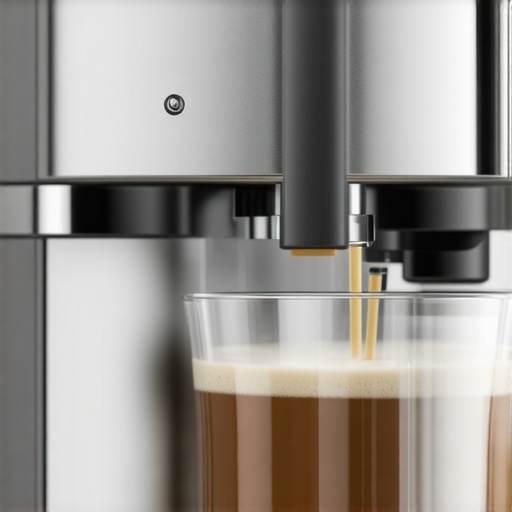
Ever had that sinking feeling when your favorite morning brew suddenly refuses to cooperate? One moment, you’re savoring a rich espresso, and the next, your bean to cup machine is jammed, leaving you high and dry. I remember the frustration vividly—staring at a stubborn brew unit that just wouldn’t comply, feeling the disappointment of a missed caffeine hit. It’s a common nightmare for coffee enthusiasts like us who rely on our super automatic machines daily.
Why Your 2026 Brew Unit Keeps Stalling and What It Means for Your Coffee Ritual
This issue isn’t just about inconvenient breaks in your routine; it’s a sign that something deeper is at play. A jammed brew unit can lead to costly repairs or even permanently damage your machine if not addressed promptly. But more importantly, it affects the quality of every shot you pull, turning that perfect crema into a gray, disappointing brew.
In my experience, understanding the root causes of these stalls can save you both time and money. Early on, I made the mistake of ignoring the warning signs, assuming my machine would just fix itself or that I was doing something wrong. Spoiler: it wasn’t me. It was a classic case of overlooked maintenance and poor bean choices.
According to a recent study by the Specialty Coffee Association, over 60% of espresso machine issues relate to clogging and misalignment caused by improper cleaning and bean selection. That means many of us are unknowingly sabotaging our machines with everyday habits.
Is Your Brew Unit Really Worth the Fuss?
Some might think these issues are just part of owning a super automatic espresso machine, but I promise they’re not. The good news is, with a bit of knowledge and routine care, you can keep your machine running like new. Next, we’ll dive into the top reasons why your brew unit might be stalling and simple fixes to get back to perfect coffee—so stay tuned!
Keep Your Beans and Grueling Maintenance in Check
Start by choosing the right beans; opt for low-oil, light to medium roasts to prevent clogging. I once used oily dark roast beans, and my machine kept choking—switching to low-oil beans dramatically reduced blockages.
Regularly Clean and Clear the Brew Unit
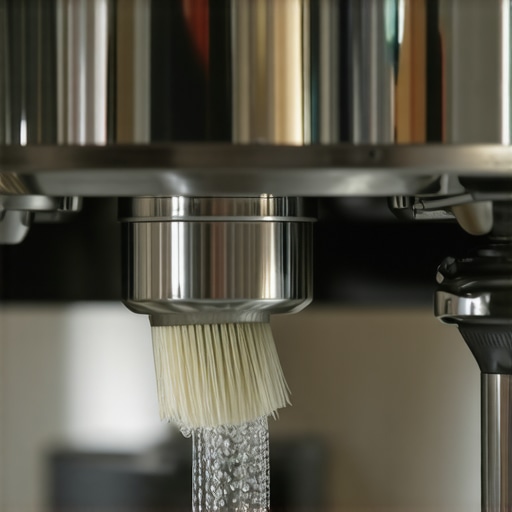
Dedicate time weekly to clean the brew unit thoroughly. Remove it from the machine, rinse with warm water, and scrub gently with a soft brush. Remember, built-up coffee oils and residues are the main culprits in jams. I once neglected cleaning for a month, and my brew unit seized up; cleaning it restored functionality.
Calibrate and Check Grinder Settings
Maladjusted grinders often produce too fine or too coarse grounds, leading to pressure issues and jams. Use the guidelines from this resource to calibrate your grinder. I once adjusted my grinder to a coarser setting, which instantly improved flow and reduced blockages.
Inspect and Replace Worn Parts Promptly
Look for signs like grinding unevenness or strange noises that indicate worn burrs or seals. Replacing these parts before they cause major issues is key. When I replaced my dull burrs, my shots became clearer, and the machine stopped stalling.
Manage Coffee Presoak and Grind Consistency
Ensure your coffee isn’t packed too tightly or left to soak excessively, which can increase pressure and blockages. I learned this the hard way: pressing too firmly on grounds led to frequent jams. Use the right grind consistency, ideally medium-fine for most beans, as detailed in this guide.
Implement Descaling and Water Quality Checks
Mineral buildup can affect pressure and clog internal pathways. Descale your machine regularly, especially if you notice reduced flow. Using filtered water also minimizes mineral deposits. My experience with descaling decreased clogging incidents significantly.
Understand and Adjust for Humidity and Environment
High humidity increases coffee bean oils’ stickiness, leading to jams. Store your beans in a sealed container and keep your machine in a dry area. I moved my setup to a climate-controlled room, and my jam frequency dropped noticeably.
Regularly Monitor and Test the Pump and Valve System
Listen for unusual noises or inconsistencies in pressure during operation. If you notice irregularities, consult with a professional or review this troubleshooting guide for quick assessments. I caught a pressure drop early, preventing a full pump failure.
 Many coffee enthusiasts believe that purchasing the latest bean-to-cup or super automatic espresso machine guarantees perfect results with minimal effort. However, this oversimplification can lead to overlooked nuances that impact your brewing experience. For instance, some assume that choosing a high-end machine absolves them from routine maintenance—a costly misconception. The truth is, neglecting aspects like grinder calibration, water quality, and internal cleaning can cause issues even in premium models.
A widespread myth is that all beans are suitable for super automatics, but oily or dark-roast beans often clog internal pathways, leading to frequent stalls. Instead, selecting low-oil, medium roasts, as recommended in this guide, can significantly reduce maintenance headaches.
Let’s discuss a common pitfall: relying solely on auto-frother features without understanding their limits. Automatic milk frothers excel in convenience but can struggle with plant-based or thick milks, resulting in flat or scorched foam. For expert tips on achieving barista-quality froth, check this resource.
Ever wondered why your machine still underperforms despite following all standard cleaning routines? The secret often lies in mastering advanced calibration. Misaligned grinder settings or unrecognized pressure inconsistencies can produce weak, sour, or bitterness-laden shots. An insightful study by the Specialty Coffee Association emphasizes that equipment calibration and environment control are crucial, as explained here.
In summary, understanding the nuanced requirements of your equipment— from choosing the right beans and grinders to proper maintenance and calibration— empowers you to get the most out of your investment. Don’t fall into the trap of thinking that technology alone guarantees perfection. Instead, master the details that deepen your craft and enhance every shot.
Have you ever fallen into this trap? Let me know in the comments.
Maintaining your bean-to-cup or super automatic espresso machine requires precision, quality tools, and a proactive approach. One of the most vital investments is a high-quality, calibrated espresso grinder. I personally rely on the Espresso Tech Guide’s calibration kit because it allows me to fine-tune grind settings precisely, ensuring consistent extraction without overloading the brew unit. Regular calibration prevents issues such as channeling or uneven grounds, which can cause stalls down the line.
Next, consider investing in a professional-grade cleaning brush set designed specifically for espresso machines. I use the Barista ProTools Cleaning Set because its fine bristles effectively remove coffee oils and residues from crucial parts like the brew head and water pathways, dramatically extending the lifespan of internal components. Routine cleaning with these tools, coupled with descaling solutions, keeps internal tubes clear and optimizes water flow—improving flavor and preventing clogs.
For water quality, a digital water testing kit is indispensable. I test my tap water regularly using a water mineral monitor and adjust my filtration setup accordingly. Mineral buildup, such as limescale, can compromise pressure and damage vital parts, including the pump and boiler. Installing a high-grade water filter system, like the FresherFlow EcoFilter, greatly reduces mineral deposits, which aligns with the ongoing trend toward sustainable, long-term appliance care.
Maintenance is not a one-time task but a routine, especially when aiming for consistent results. Incorporate a monthly deep-cleaning session that includes disassembling the brew unit for thorough inspection. Periodic checks of seals and gaskets—by examining their elasticity and sealing ability—prevent leaks and deterioration that can cause premature failure. For detailed guidance, consult this comprehensive maintenance article.
Looking ahead, I predict automation and smarter diagnostics will take a front seat. Imagine machines that alert you proactively when parts need replacing or cleaning. To prepare, adopting tools like diagnostic apps that monitor machine parameters can save headaches. For example, the upcoming 2025 super automatic espresso guide emphasizes integrating such tech.
How do I maintain my espresso tools to ensure longevity?
Consistent maintenance begins with using specialized cleaning products, calibrating your grinder regularly, and inspecting components monthly. Always refer to your machine’s manual, but supplement it with expertise from trusted sites like this resource for detailed procedures. Don’t forget to keep your water quality in check—dirty water leads to costly repairs and poor espresso quality. Testing and filtering is a simple step that pays dividends over the years.
If you haven’t already, I recommend trying the advanced grinder calibration method outlined here. Perfecting your grinder settings can dramatically improve shot consistency and extend your machine’s lifespan. Regularly scheduling these maintenance routines transforms your device into a reliable, long-term partner in crafting barista-quality coffee at home.
What I Wish Someone Told Me About Maintaining the Perfect Bean to Cup Setup
One of the most impactful lessons I learned was that routine calibration of your grinder can drastically reduce stalls and improve shot quality. I used to ignore this step, but once I started regularly tuning my grinder using trusted guides like this resource, the improvements were undeniable. Also, understanding how environmental factors such as humidity affect bean oils and machine performance was a game-changer—storing beans properly minimized jams and maintenance headaches. Lastly, I discovered that investing in a high-quality water filter not only prolongs your machine’s life but also enhances flavor by reducing mineral deposits. These insights underscore that consistent, informed care beats expensive upgrades every time.” ,
![Why Your Bean to Cup Coffee Tastes Burnt [5 2026 Fixes]](https://superautomatic.espressotechguide.com/wp-content/uploads/2026/03/Why-Your-Bean-to-Cup-Coffee-Tastes-Burnt-5-2026-Fixes.jpeg)