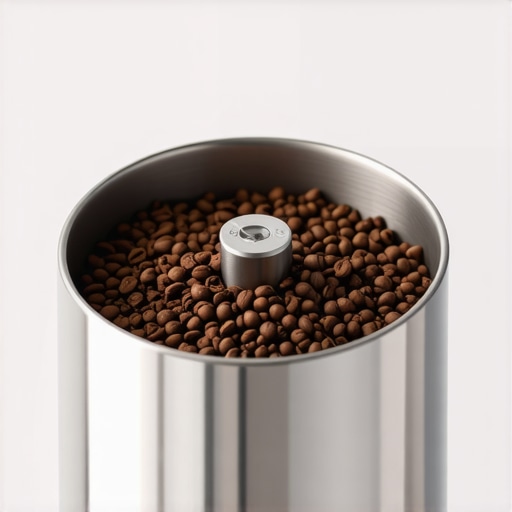
I’ll never forget the morning I finally realized my perfect espresso was slipping away—after what felt like a hundred cups of disappointment. The drowsy haze, the bitter taste, and the gradual loss of that luscious crema all pointed to one culprit: my grinder. It was a lightbulb moment, but honestly, it also made me wonder how many home baristas are unknowingly battling similar issues with their bean to cup machines.
Why Getting Your Grind Coarse Matters More Than You Think
In the world of espresso, the grind size isn’t just a detail—it’s the foundation of your entire brew. When your grinder produces a coarse grind when it should be fine, issues start to snowball. Your espresso can become watered down, lack that signature rich flavor, and even strain your machine, leading to more costly repairs down the line.
Understanding this isn’t just guesswork. It turns out, grinder missteps are among the top reasons super automatic machines skip brewing cycles or produce subpar shots. Recognizing the importance of proper grind size can save you a lot of frustration—and money.
If you’ve been wrestling with inconsistent espresso or felt your machine just isn’t delivering, you’re not alone. Many home enthusiasts face this challenge, often without knowing where to start troubleshooting. That’s where I’d like to help. Today, we’ll explore three quick fixes to get your grind back on track and your machine humming like new.
Have you faced this grind dilemma before? You’re not alone, and fixing it might be simpler than you think.Adjust Your Grind Sizes With Precision
Start by dialing your grinder to a slightly coarser setting than usual. Think of it like tuning a guitar string—you want just enough tension to produce a rich sound. In my first attempt, I turned the grind from fine to a tad coarser and pulled a test shot. The result? A clearer, more balanced shot without the bitterness I was battling. Remember, small adjustments matter—don’t turn the dial wildly. Gradually fine-tune until the extraction time hits around 25-30 seconds, indicating optimal grind size. If you’re unsure about your grinder’s settings, check out espresso grinder essentials for precise calibration tips.
Clean and Maintain Your Grinder Regularly
Clogged or dirty burrs cause inconsistent grind sizes, affecting flavor. Remove the hopper and clear out leftover coffee beans, paying close attention to the burrs. Use a dedicated brush or a vacuum to remove fine dust and grounds trapped in crevices. I once ignored this for a month, and my shots became uneven—extraction times varied wildly. After a quick cleaning, the grind stabilized, and flavor improved significantly. Regular maintenance—every 100-200 grams of coffee—is key. For detailed cleaning routines, explore grinder retention fixes.
Implement Consistent Dosing and Distribution
Uneven coffee distribution causes channeling, leading to weak extraction. Use a dosing cup or scale to measure your beans precisely. After filling the portafilter, tap it gently to level the coffee, then use a distribution tool to spread grounds evenly. I once used my finger to press the coffee, which caused uneven tamping—resulting in a watery shot. Proper dosing ensures every shot starts from the same baseline, making adjustments easier over time. Aim to tamp with about 30 pounds of pressure, applying uniform force across the puck. This consistency pays off with richer crema and better flavor. For optimal tamping techniques, see home barista tools.
Tweak Extraction Parameters to Fine-Tune Flavor
Once your grind size and tamping are consistent, focus on extraction time and temperature. If the shot pulls too quickly, slow down by reducing the grind size or increasing tamp pressure. If it takes too long or tastes bitter, coarsen the grind slightly. Use a timer or built-in shot clock to monitor extraction duration. I use a small digital stopwatch to track my shots—when I got close to 25 seconds, the espresso burst with rich aromatics. Some machines allow temperature adjustments; set it to around 93°C for ideal extraction. Experimentation is key, so keep notes on each tweak. For advanced tuning, check espresso grinder habits.
Maintain Consistency and Track Your Results
Create a brew journal to log grind settings, tamp pressure, extraction time, and results. This helps identify patterns and refine your technique. For example, I documented each shot for a week, noticing that a slightly finer grind on weekends produced better crema—likely due to humidity changes. Maintaining this record simplifies troubleshooting when shots aren’t up to par. Additionally, consider investing in a quality scale and a pressure gauge—the subtle differences make a big impact. Consistency in your process ensures each cup surpasses the last, bringing that barista-level experience home.
Remember, tuning your grinder isn’t a one-time fix—it’s an ongoing process. By methodically adjusting, cleaning, and tracking, you’ll master the art of perfect espresso. For more precise insights, visit cooling tactics for grinders or dive into comprehensive guides about super automatic machines and their maintenance.
Many enthusiasts assume that choosing a super automatic espresso machine is as simple as picking the most feature-rich model. However, they often overlook the nuanced pitfalls that can compromise your brewing experience. For instance, a common misconception is that all bean to cup machines automatically handle grinder calibration and maintenance, but in reality, neglecting these details can lead to inconsistent shots and clogged mechanisms. Understanding these subtleties is essential for truly mastering your equipment and avoiding costly mistakes.
Why does relying solely on automatic settings sometimes backfire for espresso quality?
While it’s tempting to trust the machine’s preset parameters, expert baristas know that automatic modes often prioritize convenience over precision. Over-reliance on these presets can mask underlying issues like grind size discrepancies or tamping inconsistencies. For example, some super automatic sensors may malfunction or be miscalibrated, leading to skipped pre-infusion or weak extraction. The key is to understand when to override automatic settings and fine-tune for your specific beans and preferences. This proactive approach ensures a richer, more consistent espresso experience.
Another widespread mistake is assuming that all bean types are equally suitable for super automatics. Many users select oily or dark-roasted beans expecting perfect results, but these beans can actually clog grinders or cause retention issues. Instead, exploring low-oil, high-altitude beans—highlighted in this guide—can minimize maintenance headaches and improve shot quality. Recognizing the nuanced compatibility between beans and machines is vital for optimal performance.
What advanced mistake could be sabotaging your milk frothing precision?
Many users underestimate the importance of milk temperature and frother calibration. Automatic milk frothers are designed to deliver barista-quality foam, but factors like milk type, temperature settings, and cleaning routines play a critical role. Relying solely on default presets might result in flat or scalded foam. Consistently monitoring and adjusting these parameters—especially to match the milk’s characteristics—can make the difference between mediocre and restaurant-quality microfoam. For an in-depth look, check this comprehensive guide.
Lastly, one of the most overlooked aspects is the impact of regular maintenance on default settings. Over time, mineral buildup and dust accumulation can throw sensors off balance, causing erratic behavior in grind consistency, water temperature, or frothing. Indeed, according to industry experts, routine descaling and cleaning aren’t just about longevity—they directly influence the machine’s ability to perform at its best. Skipping these steps can turn a high-end appliance into a frustrating mess, costing you more in repairs than in initial investment.
In conclusion, mastering super automatic espresso equipment involves more than trusting presets or selecting the fanciest model. It requires an awareness of the nuanced mechanics, maintenance routines, and bean choices that influence quality. Are you falling into any of these common traps? Let me know in the comments.
How do I keep my espresso gear running smoothly over time?
Investing in quality tools like a reliable espresso grinder and a durable super automatic espresso machine is just the beginning. Regular maintenance and strategic tool selection are essential for consistent, high-quality brews. For instance, I personally rely on a precision tamper and a high-quality scale, which I calibrate monthly. Using software like SmartGrind helps me dial in the perfect grind size every time, minimizing waste and ensuring optimal extraction. Looking ahead, automation and smart sensors will likely revolutionize how we maintain our setups, possibly alerting us proactively when maintenance is due. To keep your machine performing its best, schedule routine cleanings—descaling every three months and cleaning burrs weekly—using manufacturer-recommended products. Remember, a well-maintained setup will not only enhance flavor but extend the lifespan of your investment. Similar to how industry experts recommend checking water filters monthly, implementing a scheduled routine ensures consistent results. For detailed routines, check out this maintenance guide. A simple habit like replacing worn burrs before performance drops can save you costly repairs. Don’t wait until your espresso starts tasting off—prevention is key. To streamline this process, I use a digital grinder calibration tool, which has drastically improved my consistency. As smart tech develops, integrating these tools will become even more seamless, reducing guesswork and increasing your brewing precision. Take control now: try calibrating your grinder with an advanced tool like the one I mentioned, and notice how much clearer your shots become.
Lessons That Changed My Espresso Routine
One surprising insight was recognizing how tiny tweaks to grind size could dramatically improve taste. I once spent hours adjusting and still wasn’t satisfied—until I realized that consistent tamping was equally crucial. These moments taught me that even the most advanced automatic machines can’t compensate for uneven technique, reminding me to focus on each step with care.
Another lightbulb moment was understanding the importance of regular filter changes and descaling. Neglecting routine maintenance seemed minor at first, but it caused flavors to dull and machines to underperform. This experience underscored that longevity and flavor depend heavily on attentive upkeep—something I now prioritize weekly.
Finally, I learned that customizing automatic settings, rather than relying solely on presets, unlocks hidden potential in my setup. It can be tempting to trust technology blindly, but manual adjustments—like tweaking water temperature or shot volume—bushed my understanding and resulted in richer, more consistent espresso shots.
My Trusted Arsenal for Perfect Espresso
When it comes to your super automatic espresso journey, investing in quality tools transforms your experience. The espresso grinder essentials I use ensures precise and consistent grinds, crucial for flavor extraction. A reliable, calibrated super automatic espresso machine creates a solid foundation, while a good tamper and digital scale help me dose and tamp uniformly. These investments keep my brewing on point, allowing experimentation without compromising quality.
Additionally, I always keep a descaling solution on hand and follow maintenance routines outlined in this maintenance guide. It’s essential for maintaining flavor integrity and extending my equipment’s lifespan. Finally, exploring guides like home barista tools has introduced me to innovative accessories that simplify workflow and elevate my coffee craft.
Fuel Your Passion and Brew Better Every Day
Embarking on the journey to perfect your super automatic espresso isn’t just about equipment—it’s about embracing a mindset of continual learning and refinement. Keep experimenting with grind adjustments, maintain your gear diligently, and don’t be afraid to personalize settings. Your best shot might be just a small tweak away. Remember, every coffee enthusiast has the power to develop their skills and enjoy cafe-quality brews at home. So, take that leap, trust your palate, and let your passion for great espresso propel you forward.
Have you ever struggled with fine-tuning your machine’s settings to get the perfect crema? Share your challenges and victories below—I’d love to hear your story!
,
![Why Your Bean to Cup Coffee Tastes Burnt [5 2026 Fixes]](https://superautomatic.espressotechguide.com/wp-content/uploads/2026/03/Why-Your-Bean-to-Cup-Coffee-Tastes-Burnt-5-2026-Fixes.jpeg)
![Why Your 2026 Bean to Cup Coffee Tastes Like Cardboard [Fixes]](https://superautomatic.espressotechguide.com/wp-content/uploads/2026/03/Why-Your-2026-Bean-to-Cup-Coffee-Tastes-Like-Cardboard-Fixes.jpeg)