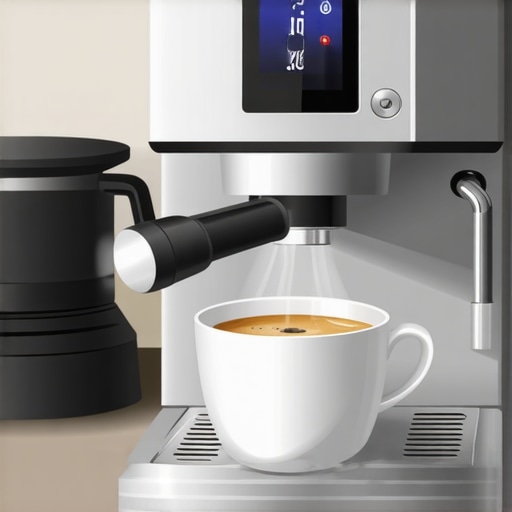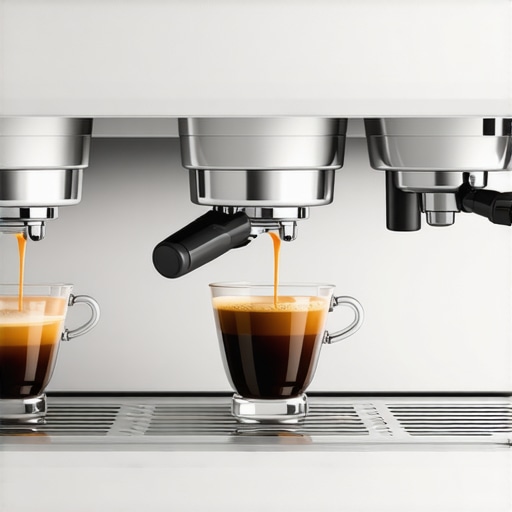
I remember the first time I pulled my espresso shot and it was a watery, flat disappointment. I had spent a fortune on this shiny new super automatic espresso machine, expecting barista-level perfection every morning. But instead, I kept charmingly battling inconsistent shots, clogged nozzles, and that stubborn buildup that refused to vanish. It was a lightbulb moment for me—sometimes, the biggest culprits aren’t obvious; they’re hidden in tiny, overlooked spots that silently sabotage our coffee dreams.
Have you ever faced a stubborn clog or a machine that just won’t brew right, despite all your efforts? You’re not alone. Many espresso enthusiasts discover, too late, that these sneaky blockages can ruin your entire experience, wasting beans, time, and patience. More worrying, neglecting these can lead to costly repairs or shortened machine lifespan. That’s why I want to share my personal journey and the insights I’ve gathered about the three most elusive clog spots in your 2026 super automatic espresso setup.
Why Hidden Clog Spots Can Ruin Your Espresso Experience
You might think that regular cleaning covers all bases, right? Well, think again. Even with diligent maintenance, some tiny, nearly invisible areas can trap coffee grounds and oils. Over time, this leads to blockages that choke the brewing process, making your shots weak or completely skipping the brew cycle. I learned this the hard way early on—trusting simple rinses instead of deep cleaning those hard-to-reach spots. The mistake? I ignored the water inlet valves and brew unit seals, which quietly accumulated stubborn residue.
According to industry experts, neglecting specific internal components accelerates wear and causes frequent clogging, especially in high-end machines designed for convenience. For a comprehensive understanding of what to avoid in your maintenance routine, check out [this expert guide](https://superautomatic.espressotechguide.com/is-a-super-automatic-espresso-machine-worth-it-expert-insights). Recognizing these hidden clog zones isn’t just about better coffee; it’s about preserving your machine’s health and ensuring every shot is as perfect as your barista dreams.
Now, let’s dig into which spots are most likely causing trouble and how you can tackle them before they ruin your morning brew again. Ready to discover how to keep your espresso flowing smoothly?
Identify the Water Inlet Valve Blockages
Begin by unplugging your machine and removing the water tank. Using a clean cloth, wipe the inlet valve area where water enters the brewing system. Next, detach the water hoses connected to the inlet valve, being cautious of residual water. Clean the hoses with a brush or pipe cleaner, ensuring no coffee grounds or mineral buildup remain. Reassemble the components, and run a descaling cycle with a commercial descaler solution to flush out any hidden mineral deposits that could cause clogs. I once discovered a stubborn mineral build-up clogging my inlet valve after neglecting descaling for several months, which caused my machine to skip brewing cycles. Regularly performing this step prevents blockages and maintains water flow integrity.
Even seasoned baristas and espresso aficionados often assume they’re fully optimizing their machines, but there’s a sneaky nuance many overlook. One common myth is that upgrading to the latest super automatic espresso machine guarantees perfect shots without fuss. In reality, advanced features can mask underlying issues like improper tamping or grinder mismatches, which remain crucial for quality, despite the machine’s capabilities. To truly elevate your brewing skills, it’s vital to understand these subtleties and avoid relying solely on technology. Also, many enthusiasts mistakenly believe that regular cleaning sessions alone prevent clogs; however, neglecting component-specific maintenance—such as descaling water inlet valves or cleaning brew units—can silently sabotage performance over time. For example, mineral deposits often accumulate unseen within internal sensors or narrow passages, leading to inconsistent extractions and machine malfunctions. A study by the Specialty Coffee Association highlights that improper grinder calibration is a leading cause of weak espresso shots, emphasizing that even with premium equipment, precision adjustments matter deeply. So, how can you avoid these common pitfalls and truly master your setup? Regularly inspecting and fine-tuning your grinder for consistent particle size distribution, understanding the importance of proper tamping pressure, and performing targeted maintenance on hidden components are essential steps. Reviewing detailed guides like this espresso grinder guide can give you advanced insights. Remember, the difference between good and exceptional espresso often lies in these overlooked details. Want to ensure your machine isn’t quietly betraying your best efforts? Stay vigilant about internal component health and calibrations. And speaking of calibration, have you ever fallen into this trap? Let me know in the comments.Maintaining your espresso setup requires more than just routine cleaning; it demands precision tools and a mindful approach to long-term care. I personally rely on the specialized cleaning brushes and descaling kits because they target hard-to-reach internal components that general cleaning can overlook. For example, a set of thin, flexible pipe cleaners allows me to effectively clean the brew unit and inlet valves without disassembling the machine, which saves me time and reduces wear. Regularly scheduling deep cleanings with these tools guarantees steady water flow, optimal grind consistency, and prevents costly repairs down the line. Prediction-wise, as automation advances, we’ll see more integrated diagnostic tools that alert us to internal blockages before they cause noticeable issues, making proactive maintenance more accessible.
How do I maintain my espresso machine over time?
Routine upkeep extends beyond manual cleaning. I also use calibration software to fine-tune grinder settings, ensuring the grind size remains consistent—better extraction, less clogging. This practice has drastically reduced the frequency of clogs and lime scale formation. One tip I give to fellow enthusiasts is to periodically check the machine’s sensor readings against manufacturer specifications; discrepancies often point to emerging issues. For instance, referencing this guide on faulty sensors helped me troubleshoot pressure irregularities early. Implementing such preventative measures not only prolongs your machine’s lifespan but also preserves the delicate flavors of your coffee beans. As I continue exploring new tools, I’m excited about smart sensors that could analyze internal conditions remotely, offering maintenance suggestions directly to your smartphone. To get started, try calibrating your grinder with the advanced settings outlined in this calibration guide; it’s a game-changer for consistent shots and machine health.
The Hardest Lessons Learned from My Espresso Journey
One of the most valuable lessons I discovered was that even the most advanced machines can be derailed by tiny, overlooked components. I once assumed that running a quick rinse was enough, only to find clogged internal channels weeks later. That experience taught me the importance of deep, component-specific cleaning and vigilant inspection—especially of water inlet valves and brew unit seals. It’s easy to underestimate how stubborn residues silently sabotage your efforts, but awareness here can save you time and money.
My Top Tools That Keep My Espresso Flowing
If you’re serious about maintaining a flawless espresso setup, certain tools become essential. I swear by specialized cleaning brushes and descaling kits that reach those pesky internal crevices. For calibration, I rely on precision adjustment guides. These tools give me confidence that my machine operates at peak performance, ensuring consistent, barista-quality espresso each time.
Your Passion Deserves More Than Just Routine
Remember, mastering your espresso machine isn’t just about the gear—it’s about understanding its quirks and giving it the care it needs. Every correctly maintained component, every calibration tweak, translates directly into richer flavors, better crema, and fewer surprises. So, take a moment today to review your maintenance routine, explore new tools, and fine-tune your setup. Your perfect espresso shot is within reach—don’t let hidden clogs stand in your way. Have you uncovered any secret cleaning tip that transformed your brewing game? Share below and keep the conversation brewing!
![Is Your 2026 Super Automatic Stuck in a Rinse Loop? [Fixed]](https://superautomatic.espressotechguide.com/wp-content/uploads/2026/04/Is-Your-2026-Super-Automatic-Stuck-in-a-Rinse-Loop-Fixed.jpeg)