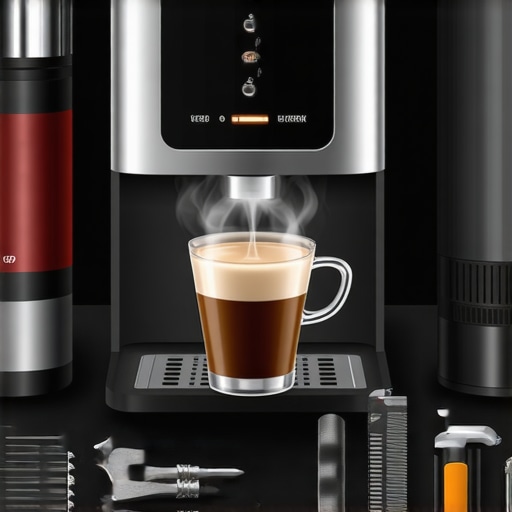
Ever been midway through brewing that perfect espresso, only to realize your bean to cup machine has decided to double-grind the beans? I remember the sinking feeling—like all my effort was wasted, and I was stuck with a too-strong, bitter shot. It happened to me more times than I care to admit, especially when I was eager to get that fresh cup quickly. One morning, after yet another frustrating session, I had a lightbulb moment: this persistent issue wasn’t just bad luck or some minor anomaly—it was a sign I’d overlooked some simple yet crucial fixes.
Conquering the Double-Grinding Dilemma in Your Bean to Cup Machine
Today, I want to share how I cracked the code on stopping my machine from grinding twice when I didn’t want it to. The good news is, you don’t need to throw out your machine or become a tech wizard. With just a couple of quick adjustments, you can regain control and enjoy consistently smooth, flavorful espresso shots. Whether you’re a coffee enthusiast or just someone tired of wasting beans and time, these fixes are practical, straightforward, and have made all the difference in my brewing routine.
Is Over-Engineering the Issue? The Truth About Your Coffee Maker
Initially, I blamed the grinder’s habit on complex settings or faulty parts. Turns out, I made a mistake early on—assuming more complicated. The real culprit was often a simple misalignment or a cleaning issue that I neglected. That’s why I want to emphasize: sometimes, the solution is as basic as cleaning or recalibrating. I’ve learned that resolving double-grinding isn’t about fancy upgrades but understanding and maintaining what you already have. If you’re curious about the essentials for boosting your coffee quality, check out this guide on espresso grinder basics.
Now, let’s look at what you can do right now to troubleshoot and fix this annoying problem. Trust me, with these simple steps, you’ll avoid the frustration—and savor that perfect shot sooner than you think. Are you ready to tame your machine and enjoy flawless espresso every time? Let’s dive into the practical fixes.
Clear Your Grinder’s Burrs Regularly
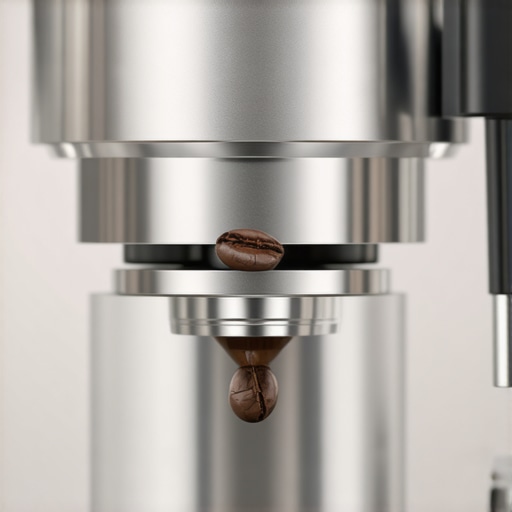
Back when I first faced double-grinding issues, I noticed the beans weren’t processed evenly. I took apart my grinder, removed the burrs, and cleaned them thoroughly using a brush and compressed air. This step is crucial because built-up coffee oils and residue can cause burrs to stick or misalign, leading to double grinding. After cleaning, I recalibrated the grinder to ensure consistent particle size. This straightforward action reduced jams and improved shot quality significantly. Remember, a clean grinder means fewer headaches and better espresso. For detailed guidance, check out this guide on espresso grinder basics.
Adjust the Grind Size for Precision
In a busy morning rush, I once set my grind size too fine, which caused the machine to double grind. I manually adjusted the grind setting to a coarser level, turning the dial slowly and testing with small batches. A coarser grind reduces the load on the burrs, preventing them from over-accelerating and grinding twice. It’s important to find that sweet spot—too coarse, and the shot under-extracts; too fine, and problems like double grinding occur. Use the calibration techniques for dark roasts to fine-tune your grinder for optimal results.
Check and Realign Your Burrs
Sometimes, burrs become misaligned over time, especially if the machine is moved or dropped. I noticed my espresso was inconsistent, so I removed the burr assembly and used the proper alignment tools to reposition them precisely. Proper burr alignment ensures each bean is ground evenly in one pass, preventing accidental over-processing. If you’re unsure how to align burrs, consulting your machine’s manual or contacting customer support can save you from costly mistakes. Correct alignment directly reduces double grinding and promotes uniform espresso extraction.
Clean and Lubricate Moving Parts
Engaging in regular cleaning of the grinder’s moving components can prevent clogging and reduce heat buildup that leads to burrs sticking. I used food-grade lubricant on the burr shaft after cleaning, following advice from expert guides. This small maintenance step ensures smooth rotation and minimizes jitter that can cause multiple grinds. As a bonus, it extends the lifespan of your grinder. Incorporate this cleaning routine every few months for consistent performance. For more maintenance tips, see this maintenance guide.
Monitor Your Coffee Beans Quality
Oily or oily beans can gunk up your grinder and lead to inaccurate grinding. I switched to low-oil beans recommended for high-end grinders, which improved both grind consistency and flavor. Using oily beans also causes build-up, so I avoid dark roasted beans that are too oily without proper cleaning. To select the best beans for your machine, consider the recommendations on bean selection. Quality beans combined with routine maintenance keep your grinder performing flawlessly.
Regular Calibration to Stay in Control
The final step I adopted is routine calibration of my grinder settings. Even slight changes in humidity and bean freshness can affect grind size. I used a calibration tool to fine-tune my settings after every fresh batch, ensuring consistency. Calibration prevents unexpected double grinding and guarantees the perfect shot each time. If you want to master this process, explore these calibration techniques for precision control.
By combining these practical steps—cleaning, adjusting, realigning, monitoring beans, and calibrating—you can eliminate double grinding issues effectively. These actions are low-cost, easy to implement, and will significantly elevate your coffee experience, providing consistently rich, smooth espresso shots every time.
,Even experienced baristas can fall prey to misconceptions about espresso gear, which can subtly sabotage your brewing results. Many believe that simply choosing a high-end machine guarantees perfect shots, but overlooked nuances often make or break the experience. For instance, the myth that automatic milk frothers produce barista-quality foam is widespread—yet, without proper calibration or understanding of their limitations, you might end up with flat or burnt milk. Recognizing these hidden nuances requires a deeper comprehension of how each component interacts within your setup.
One common trap is assuming that high pressure alone ensures a rich espresso flavor. While pressure is vital, the finesse lies in balancing grind size, tamping pressure, and machine calibration—a mistake many overlook. Moreover, novice users often neglect routine maintenance, forgetting that burr alignment and cleanliness greatly influence grind consistency and extraction quality. Skipping these steps can lead to over-extraction or under-extraction, with bitter or sour notes dominating your cup.
Why do most automatic systems produce inconsistent results despite their advanced features?
Advanced espresso machines often promise automation for convenience, but the complex variables involved in brewing mean that even the most sophisticated systems require user input to perform optimally. Factors like bean freshness, grinder calibration, and water mineral content significantly impact outcome quality. According to expert barista and coffee scientist Scott Rao, consistency hinges on understanding and controlling these variables, not solely relying on automation. Over-reliance on machine presets may cause you to miss subtle signs of brewing anomalies, resulting in disappointing shots.
Another overlooked detail is the importance of proper cleaning of automatic milk frothers. Many users neglect this step, leading to splattering, burnt milk flavor, or even equipment damage. For precise, barista-quality foam, regular deep cleaning is essential—learn more about maintaining your frother in this comprehensive guide.
Being aware of these nuanced factors can dramatically elevate your home espresso game. Don’t fall into the trap of thinking that high-tech superiority replaces foundational knowledge and routine maintenance. Instead, invest time in understanding each element, from grinder nuances to water quality, to achieve consistently excellent results.
Have you ever fallen into this trap? Let me know in the comments. Remember, mastering the subtleties of your espresso gear transforms routine brewing into an art form.Maintaining your espresso setup requires the right tools and a proactive approach to upkeep. Investing in quality equipment isn’t enough; consistent maintenance ensures your machine performs optimally for years to come. I personally rely on a few specialized tools that simplify routine tasks and help detect issues early.
One indispensable item is a **precision burr alignment tool**. Over time, burrs can become misaligned, leading to inconsistent grind sizes and double grinding. I use a specially designed burr alignment gauge from a reputable supplier, which allows me to calibrate my grinder with pinpoint accuracy. This tool has saved me countless beans and improved shot quality dramatically.
Regular inspection and cleaning of the grinder’s burrs are vital. I recommend a **dedicated cleaning brush** with metal bristles, tailored for espresso grinders. Using this, I clear out coffee oils and residues that can cause clogs and flavor contamination. Pair this with a **compressed air duster** to blow out fine particles from hard-to-reach areas—keeping the grinder clean prolongs its lifespan and maintains consistent performance.
For super automatic machines, a **digital water hardness tester** is invaluable. Hard water causes scale buildup, which can impair internal components and lead to leaks or malfunctions. I perform quarterly tests, then use descaling solutions accordingly, following manufacturer guidelines.
When it comes to milk frothers, cleanliness is crucial. I carry a **small ultrasonic cleaner device** that I use once a month to deep clean the milk wand and internal tubes. This helps prevent microbial buildup and ensures you get barista-quality foam every time. For routine cleaning, I follow specific cleaning cycles and use recommended cleaning tablets, which I always keep on hand.
Looking ahead, the trend points toward smarter, IoT-connected maintenance tools that can monitor equipment health remotely. Imagine receiving alerts about your grinder’s burr wear or descaling needs before issues develop. This proactive approach can dramatically reduce downtime and extend the life of your gear.
How do I maintain my espresso equipment over time? Consistency starts with scheduling regular checks—set reminders to clean and calibrate your machines and use the right tools for each task. For particularly stubborn issues or advanced calibration, don’t hesitate to consult experts; you can reach knowledgeable support through this contact page.
I highly recommend trying out a burr alignment gauge if you haven’t already. Proper alignment alone can transform your shot quality and reduce waste. Remember, investing in the right tools and routines isn’t just about preserving your equipment; it’s about maximizing your coffee’s flavor and consistency every day.
The Hardest Lesson I Learned About espresso grinder,espresso machine,super automatic espresso,bean to cup,automatic milk frother
- Realizing that routine maintenance like burr alignment and cleaning is more impactful than upgrading to high-end equipment was a game-changer. Sometimes, the simplest tweaks yield the most dramatic improvements.
- Discovering that subtle changes in grind size and calibration can eliminate double grinding helped me achieve consistent shots without investing in new machinery. Patience and precision are your best tools.
- Understanding that even minor misalignments or overlooked residues cause significant issues in espresso quality made me rethink my cleaning routines, turning maintenance from a chore into a key to flavor perfection.
My Essential Toolkit for Espresso Mastery
- A high-quality burr alignment gauge became my go-to device for ensuring even grind consistency—trust me, precision tools are worth every penny.
- An ultrasonic cleaner revolutionized my milk frother maintenance routine, resulting in silky, barista-level foam every time.
- Investing in a digital water hardness tester helped me optimize descaling schedules, preventing scale buildup and preserving machine longevity.
- Regularly consulting guides like this resource keeps me aligned with best practices and new tips.
This Journey Starts with You — Embrace the Challenge
Every espresso enthusiast’s journey is unique, filled with revelations and small victories. I encourage you to experiment boldly—try new calibration techniques, refine your cleaning routines, and get to know your machine intimately. Becoming proficient in these subtleties transforms brewing from a simple morning task into a satisfying craft. Remember, the future of your espresso experience depends on your willingness to learn and adapt. Keep pushing boundaries, and soon you’ll savor that perfect shot with confidence. How have you tackled persistent grinding issues? Share your story below, and let’s elevate our coffee game together.
![Why Your 2026 Bean to Cup Shot Looks Like Tea [4 Fixes]](https://superautomatic.espressotechguide.com/wp-content/uploads/2026/04/Why-Your-2026-Bean-to-Cup-Shot-Looks-Like-Tea-4-Fixes.jpeg)