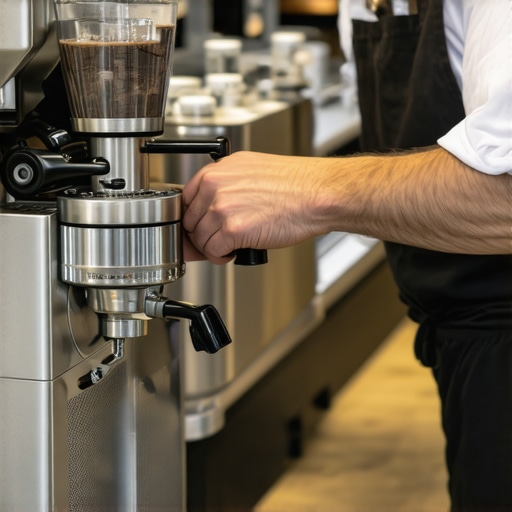
Imagine pulling what should be a rich, velvety espresso and instead getting a shot that’s wispy, uneven, or downright disappointing. I remember my own frustration—wasting beans, wasting money, and worst of all, wasting the joy of a great brew. That lightbulb moment hit me hard when I realized that my grinder was secretly sabotaging my espresso quality, creating static and clumps that wrecked my shot.
If you’re like I was, facing dull, inconsistent espresso shots, you’re not alone. Many home baristas and even seasoned enthusiasts stumble because of overlooked grinder issues. The good news? There are straightforward tweaks that can transform your grind, eradicate static, and deliver a shot that’s as good as your favorite cafe. Today, I’m going to share five practical adjustments I’ve tested personally, which have made a world of difference.
Why a Static-Free Grind Means Better Espresso
A common, yet often ignored, culprit behind poor espresso quality is static electricity in your grinder. Static causes coffee grounds to cling to the burrs and walls, leading to uneven dosing, messes, and uneven extraction. It’s especially persistent in dry, low-humidity environments—typical in winter months or air-conditioned spaces. Without addressing static, you’re essentially fighting a losing battle for that perfect shot.
Early on, I made the mistake of assuming my grinder was fine because it looked clean and functioning normally. Turns out, that was a rookie error. Properly aligning burrs, controlling grind chamber humidity, and other tweaks can significantly reduce static. I even discovered that some grinders generate more static than others, so choosing the right equipment is part of the battle. To get an idea of how static impacts espresso quality, check out this in-depth guide on grinder essentials.
The journey toward consistent, static-free espresso isn’t complicated, but it does require intentional adjustments. If you’ve experienced similar struggles, keep reading. I’ll walk you through specific tweaks that have worked for me—and many other home baristas—so that your shot can finally reach its full potential. Ready to eliminate static and craft that perfect, luscious espresso? Let’s dive into the tweaks that really work.
Adjust Your Grinder Burrs Correctly
Start by ensuring your burrs are properly aligned, as misaligned burrs create uneven grounds and static. I once thought my grinder was fine until I noticed inconsistent shots. I took apart the burr chamber and carefully realigned the burrs following this step-by-step guide. The result was a marked reduction in static and a smoother grind flow. This not only improved shot consistency but also minimized messy grind Dispense.
Control Humidity and Keep the Chamber Moist
Lighting a quick mist of water into the grind chamber can help reduce static electricity caused by dry air. I experimented with a spray bottle, misting a tiny bit before grinding. It felt counterintuitive, but I saw fewer static cling issues and less bean spillage. Be cautious not to overdo it—too much moisture can clog your grinder. Aim for a light mist, similar to lightly humidifying your workspace, to maintain optimal static control.
Use Anti-Static Accessories and Techniques
Adding anti-static grind tags or using metal tools to discharge static buildup can make a difference. During a particularly static-heavy winter, I rubbed a metal spoon against the walls of my grinder after each use. This simple trick dissipated static charges. Additionally, some enthusiasts swear by anti-static brushes, which can carefully clean the chamber and reduce leftover static charges. Combining these methods, I was able to significantly decrease static cling and improve ground dispersion.
Optimize Grind Settings and Dosing
Fine-tuning your grind settings influences static because finer grounds generate more static. I gradually scaled back my fineness setting while monitoring shot quality—fewer static issues accompanied a more uniform flow. Dosing precision also matters; overfilling the grind chamber breeds clumping and static. Using a scale to measure your dose ensures consistency and prevents over-packing, which can lead to static and uneven extraction. For tailored advice, check out these grinder tips.
Schedule Regular Maintenance and Cleanings
Old coffee residue and oil buildup contribute to static and clumping. I set a weekly cleaning routine with a dedicated brush and grinder cleaner. During one messy cleaning, I found that clogged burrs and residual oils increased static cling. After a thorough cleaning, static dropped dramatically, and grounds flowed more freely. Regular upkeep extends your grinder’s lifespan and keeps static issues at bay, which directly improves shot quality.
Choose the Right Grinder for Your Environment
If static problems persist despite these tweaks, consider upgrading to a grinder designed to minimize static—look for models with zero-retention chambers or better antistatic materials, like ceramic burrs. As I researched, I found that some grinders excel in static control, especially in low-humidity environments like these zero-retention models. Investing in a high-quality grinder tailored to your climate can save headaches and elevate your espresso experience.
Many coffee enthusiasts assume that choosing the most expensive espresso machine guarantees perfect results, but expert insights reveal nuanced truths about equipment performance. For instance, a widely held belief is that super automatic espresso machines eliminate the need for barista skill; however, these machines often mask issues like grind size inaccuracies or inconsistent dosing that can drastically affect shot quality. Understanding the real capabilities and limitations of your equipment is crucial. Additionally, some believe that bean freshness alone determines flavor, but factors like grinder calibration and machine maintenance play equally vital roles. Overlooking these details can lead to disappointing results despite investing in top-tier gear.
Moreover, a common trap is the misconception that automatic milk frothers always produce barista-quality foam. In reality, mastering frothing techniques and proper milk selection are essential for achieving that perfect silky microfoam. If you rush into relying solely on automatic functions without understanding their mechanics, you might end up with flat or scalded milk. For advanced baristas, exploring the intricacies of frothing mechanics can significantly elevate your drinks.
When it comes to bean-to-cup machines, many assume they simply require regular cleaning. Although maintenance is important, understanding how to calibrate your grinder for specific beans, especially darker roasts, can prevent clogging and bitterness issues. Learn more about optimizing your grinder settings in our comprehensive guide on espresso grinder essentials.
Another nuance often missed is the importance of water quality. Many overlook that poor filtration can lead to mineral buildup, affecting machine longevity and taste. Regular descaling and using quality water are crucial, yet many skip these steps due to lack of awareness. For detailed tips, check out our article on how water quality impacts flavor.
A particular advanced mistake involves neglecting the subtle differences in grind particle distribution. Oversized or uneven grounds cause channeling, resulting in weak or bitter shots. Achieving a uniform grind is more complex than just setting the fineness; it requires paying attention to burr alignment and consistency in dosing. If you want to troubleshoot your shot quality, be sure to explore our step-by-step guides or contact us through our support page.
**Why do some high-end machines underperform despite proper maintenance?** This question leads to the critical realization that technology alone doesn’t guarantee excellence. Machine calibration, environmental conditions, and user technique all intertwine. For example, in dry environments, static buildup can cause uneven grind flow, which many overlook. Adjusting humidity levels or using anti-static accessories can counteract this hidden obstacle.
Making these advanced adjustments demands a deeper understanding of your setup, but the payoff is substantial—richer flavors, consistent shots, and a true barista experience at home. Remember, avoiding these common pitfalls is part of mastering your equipment’s potential. Have you ever fallen into this trap? Let me know in the comments.
Keeping Your Espresso Gear in Top Shape
Maintaining the consistency and longevity of your espresso machine and grinder requires more than just regular cleaning. Investing in quality tools and adopting effective maintenance routines can drastically improve your coffee experience and extend the lifespan of your equipment. One essential tool I personally recommend is a dedicated handheld espresso grinder cleaning brush. It allows quick removal of coffee oils and residue from hard-to-reach crevices, preventing buildup that can cause clogs or static issues, especially in bean-to-cup machines. Additionally, a high-quality calibration gauge is invaluable for ensuring your grinder consistently produces grounds that optimize flavor and extraction. Regular calibration with an accurate tool maintains optimal particle size, reducing channeling and bitterness over time. For thorough cleaning, I use a specialized grinder cleaning tablet every few weeks, which dissolves coffee oils and oils in the burrs, keeping everything running smoothly. These proactive measures go beyond basic cleaning and help prevent issues like clogs, static, or uneven grind size. Predicting where this trend is headed, manufacturers will likely incorporate smart diagnostics into their machines, alerting users when maintenance is due via companion apps, much like advanced home appliances today. As it stands, developing a personalized maintenance schedule that incorporates these tools can save money and prevent costly repairs in the future.
How do I maintain my espresso machine and grinder over time?
Establishing a routine — involving regular cleaning with appropriate tools, calibrating your grinder weekly, and inspecting seals and water filters — ensures consistent performance. For super automatic espresso machines, don’t forget to descale periodically and replace water filters as recommended by the manufacturer, which can be tracked with dedicated settings or apps. Integrating these habits will keep your investment running smoothly, preserving the quality of your coffee brew. Ready to take your maintenance routine to the next level? Try incorporating a calibration gauge this week and notice improved shot consistency, flavor depth, and machine longevity. Your future self will thank you.
Three Hidden Lessons That Transformed My Espresso Routine
One of the most surprising lessons I learned was that even the most expensive equipment can’t compensate for static and clumping caused by improper adjustments. Reducing static wasn’t about buying new accessories; it was about realigning my burrs and controlling environmental factors. Another revelation was that regular maintenance, like weekly cleaning with specialized tools, prevented small issues from snowballing into major flavor disasters. Lastly, I discovered that dialing in my grinder wasn’t just about fineness but about particle distribution—small adjustments here yielded tastier shots and more consistent crema. These insights didn’t just improve my espresso—they changed how I approach each step, turning a routine into a craft. The journey to better espresso is as much about knowledge as it is about the gear, and these lessons were my game-changers.
![Why Your 2026 Espresso Grinder Burrs Trap Fine Dust [3 Fixes]](https://superautomatic.espressotechguide.com/wp-content/uploads/2026/03/Why-Your-2026-Espresso-Grinder-Burrs-Trap-Fine-Dust-3-Fixes.jpeg)