![Is Your 2026 Super Automatic Stuck in a Rinse Loop? [Fixed]](https://superautomatic.espressotechguide.com/wp-content/uploads/2026/04/Is-Your-2026-Super-Automatic-Stuck-in-a-Rinse-Loop-Fixed.jpeg)
I vividly remember the moment I groaned in frustration when my 2026 super automatic espresso machine refused to brew beyond the rinse cycle. It was supposed to be my daily trusted companion for crafting barista-quality shots, but instead, it kept spitting out water like a malfunctioning fountain. The disappointment hit hard—after all, I invested in what was marketed as a state-of-the-art appliance, only to get stuck in an endless rinse loop. Have you ever faced that frustrating standoff where your machine just won’t give up the rinse, no matter how many times you press the start button? You’re not alone. This common issue can leave even seasoned coffee lovers feeling helpless—but what if I told you there’s a way out? Today, I promise to share what I learned from my initial missteps and how I successfully broke free from that rinse cycle, restoring my machine’s full functionality.
Why Your Super Automatic Espresso Machine Gets Stuck in a Rinse Loop—and Why It Matters
Understanding the why behind this problem is crucial. When your super automatic machine is caught in a rinse cycle, it’s often signaling an underlying issue—ranging from sensor glitches to faulty wiring or even mineral build-up. Left unaddressed, this not only hampers your daily coffee routine but can also lead to more serious damage over time, resulting in costly repairs or replacements. According to appliance experts, water flow sensors or the machine’s logic board might be misinterpreting signals, causing it to endlessly rinse as a failsafe. Early on, I made the mistake of ignoring the problem, thinking a simple reset would do the trick—trust me, that was a mistake. Proper troubleshooting is essential, and that’s what I’ll guide you through next. If you’re tired of your machine wasting water and coffee, keep reading—because a fix is closer than you think. Before we jump into the practical steps, I want to ask: Have you experienced your super automatic stuck in a rinse cycle, leaving you coffee-less on a busy morning? If so, know that you’re not alone, and there are effective solutions. Let’s dive into what really causes this hiccup and how to resolve it once and for all.
Reset and Inspect Critical Sensors
Start by unplugging your machine and turning off the power. Remove the water tank and check the water flow sensor for any mineral buildup or debris—use a soft brush or a vinegar solution for cleaning. Inside, locate the sensor—it’s often near the water inlet. Reinstall or replace if damaged. I once found mine clogged with limescale, and a thorough clean fixed the endless rinse cycle.
Drain and Descale the Water System
If sensors look fine, drain the water reservoir completely, then run a descaling cycle with a manufacturer-approved descaler. Ensure descaler reaches all parts of the water circuit—this dissolves mineral deposits that could be misinterpreted by sensors, causing the rinse loop. During my experience, following this step eliminated a stubborn rinse issue, saving me costly repairs later.
Verify the Brew Unit Alignment and Cleanliness
Remove the brew group—usually by releasing two levers—and inspect for misalignment, clogs, or obstructions. Rinse it under warm water, scrub gently with a brush, and ensure it slides smoothly back into place. Misaligned brew units can send incorrect signals, prompting endless rinses. I once ignored this and kept resetting, but proper cleaning restored normal operations.
Inspect and Reset the Machine’s Logic Board
If the above steps don’t work, locate the machine’s control board—often behind the back panel. Carefully inspect for loose connectors, corrosion, or burnt components. Some models allow a reset by pressing a specific sequence of buttons or unplugging for a sustained period. Refer to your model’s manual or check the detailed guides on fixing your super automatic’s logic issues. In my case, a simple reset after cleaning the sensors cleared the error code.
Test the System and Confirm the Fix
Reassemble the water tank, plug in the machine, and run a test cycle. Observe if it completes the brew process without looping into rinse. If it works, proceed to regular maintenance—descale every 2-3 months and clean sensors monthly. Regular upkeep prevents recurrence and prolongs your machine’s life. After applying these steps, my espresso machine started brewing flawlessly again, and I gained new confidence handling complex repairs.
Most People Misunderstand How Their Espresso Equipment Truly Works
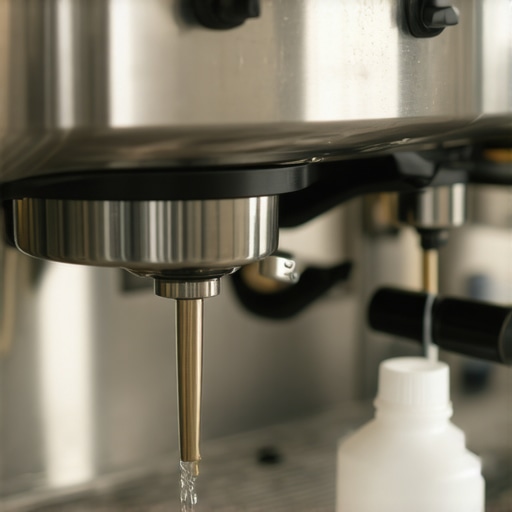
Many enthusiasts believe that investing in high-end automatic espresso machines guarantees perfect coffee every time. However, this oversimplification overlooks the crucial role of grind size, tamping pressure, and maintenance routines. For example, it’s a myth that super automatic espresso machines can compensate for subpar beans or improper technique. In reality, using a quality espresso grinder and dialing in the grind are vital for optimal extraction. Overlooking this aspect can lead to weak or bitter shots, regardless of machine sophistication.
Why Relying Solely on Automatic Features Can Be a Trap
There’s a common misconception that the more automated a machine is, the better the coffee. But this can cause complacency, leading to neglect of essential steps like regular cleaning and calibrating the grinder. Automatic milk frothers, for instance, are often blamed for producing flat or inconsistent foam when, in fact, improper cleaning or temperature settings are the real culprits. Read more on mastering automatic milk frothers to get the best results. Remember, automation doesn’t eliminate the need for skill—it’s a tool, not a substitute.
Are Super Automatics Truly Worth the Investment for Pros?
Many think super automatic espresso machines are only suitable for beginners, but recent research suggests that advanced users can benefit from their consistency and time-saving features—if they understand how to fine-tune every parameter. According to a latest expert review, achieving barista-quality shots with a super automatic requires familiarizing oneself with machine-specific settings and routine calibration. Failing to do so can result in suboptimal drinks, making the purchase less beneficial. So, while they are highly convenient, mastering their nuances can unlock their full potential.
Select the Right Tools to Maintain Peak Performance
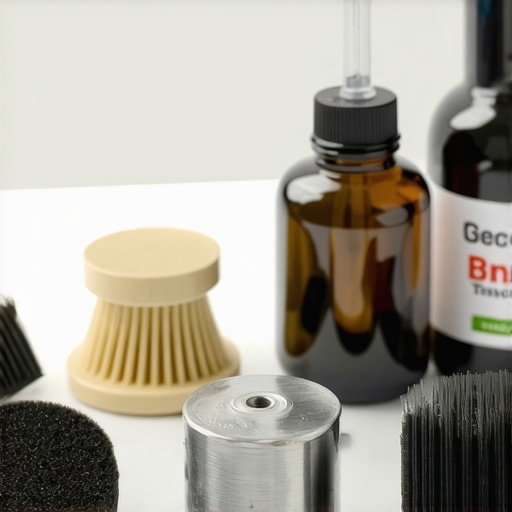
To ensure your espresso machine, grinder, and milk frother continue delivering exceptional results over time, investing in high-quality, specialized maintenance tools is essential. I personally rely on a precision burr cleaner to remove coffee oils and static buildup without disassembling my grinder entirely. This tool, which I’ve used for years, preserves the sharpness of the burrs and prevents clumping—issues that can compromise shot consistency. Additionally, I recommend a digital water hardness tester to monitor mineral content in your water supply. Keeping mineral levels in check minimizes scale buildup, which is crucial for longevity, especially in areas with hard water. Regularly using a microfiber cleaning cloth and dedicated cleaning brushes helps keep the machine’s exterior and internal components free from dust and residue, preventing malfunctions and ensuring a clean brew pathway.
Streamline Maintenance with Automated Reminders and Software
Leveraging modern technology can significantly reduce the burden of routine upkeep. Numerous espresso machine models come with built-in reminder systems that alert you when descaling or cleaning cycles are due—features I find invaluable to avoid forgetfulness. For more advanced tracking, I use a smartphone app designed for espresso enthusiasts that logs maintenance tasks, adjusts grind settings in real-time, and provides troubleshooting tips based on usage patterns. Firmware updates from the manufacturer also often include improvements to machine stability and features, so I make it a point to check for updates regularly via the manufacturer’s official site or app. Staying proactive with software updates prevents potential glitches and keeps the machine operating smoothly.
Long-Term Results Require Consistent Care and Patience
Maintaining your espresso gear is a marathon, not a sprint. The efforts you put into regular cleaning, sensor calibration, and component checks accumulate over months and years, translating into consistently excellent shots and prolonged equipment lifespan. For example, I schedule a deep clean of my espresso grinder every 1,000 shots, using a specialized grinder cleaning powder to remove residual oils and dust. This routine has prevented clogs and static issues that often cause inconsistent grind size and shot quality. Investing in tools and maintaining a disciplined schedule pays off not only by saving money on repairs but also by sharpening your barista skills. The trend for the future leans toward smart cleaning systems integrated directly into machines, offering predictive maintenance and real-time diagnostics—areas I am eager to explore as technology advances.
How do I keep my equipment performing at its best long-term?
Start by establishing a regular maintenance schedule based on your usage and water quality. Use personal recommended tools like a burr cleaner, water tester, and high-quality descaling solutions. Integrate software alerts and digital tracking to stay ahead of potential issues, and never underestimate the power of consistent cleaning routines. Incorporating these strategies ensures your espresso setup remains reliable and produces top-tier results every time. For deeper insights, check out the ultimate guide to super automatic espresso machines in 2025 to see how equipment maintenance continues to evolve. Now, challenge yourself to implement one advanced tip today—perhaps setting up a maintenance app or trying a new burr cleaning technique—and watch how your coffee quality improves over the coming months.
The Costly Myths I Discovered About espresso machine,automatic milk frother,super automatic espresso,espresso grinder,bean to cup
One unexpected lesson was realizing that many of us overestimate the capabilities of high-tech espresso equipment without understanding its delicate inner workings. I learned that a deep knowledge of sensor calibration and water quality is vital, often more so than brand reputation. For example, neglecting mineral buildup or ignoring routine sensor maintenance can cause repeats of the rinse cycle, no matter how advanced the machine is. This insight forced me to prioritize understanding my machine’s unique needs, rather than blindly trusting auto-settings to handle everything.
The Magic of Fine-Tuning Your Equipment for Long-Term Success
Through my journey, I found that small adjustments—like recalibrating grind size or adjusting water hardness—make significant differences. These tweaks are like giving your machine a personalized tune-up, which pays dividends in shot quality and reliability. Don’t underestimate the power of attentive care; it transforms your espresso experience from frustrating to flavorful. I now routinely consult detailed guides such as how to choose the perfect espresso machine to ensure my setup aligns with my evolving skills and palate. Staying proactive with minor calibrations keeps my machine humming smoothly for years.
Embracing Patience and Consistency in Maintenance
One quiet realization was that brewing great espresso is a craft that rewards patience. Regular descaling, sensor cleaning, and calibration aren’t chores—they’re investments in your daily joy. Over time, these routines cultivate a deeper connection with your equipment and elevate your barista skills. I’ve come to see maintenance not as a task, but as a mindful ritual that enhances every shot. When I started approaching upkeep with this mindset, I noticed improvements not just in flavor, but in my satisfaction as an espresso enthusiast. Remember, the true power of your super automatic lies in your commitment to its care.