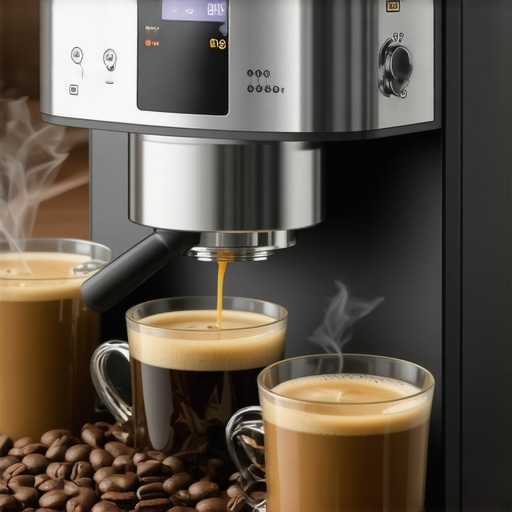
I remember the first time I brewed a cup of coffee with my new bean to cup system, only to be greeted by a disappointing stream of watery brew. My stomach sank. I’d followed all the advice, but somehow, my espresso was thin and lacked the rich body I craved. It was a lightbulb moment—realizing that even small adjustments in machine settings can dramatically impact flavor. Have you ever faced that frustrating experience, wondering why your coffee doesn’t match the barista-quality shots you see online? Well, you’re not alone.
In the world of super-automatic espresso machines, precision matters more than ever. The good news? Many of these issues boil down to a few key settings that are often overlooked or improperly calibrated. Today, I promise to guide you through the most common bean to cup adjustments that can transform your watery brews into thick, full-bodied shots that truly satisfy.
Why Watery Coffee Persists Despite Your Efforts
It might seem baffling—you’re using quality beans, freshly ground, and your machine should be capable of delivering rich espresso, right? Yet, watery coffee remains a common complaint. The root often lies in the machine’s internal parameters, including grind size, dose, or extraction time. Early on, I made the mistake of assuming that the problem was solely beans or grinder quality, but I soon discovered that fine-tuning machine settings can be the game-changer. For an in-depth look at how grinder settings influence extraction, check out this detailed guide on [espresso grinder essentials](https://superautomatic.espressotechguide.com/espresso-grinder-essentials-boost-your-coffee-flavor-today).
Understanding and adjusting these settings ensures your machine operates at peak performance, extracting the perfect balance of flavors and texture. Without the right calibration, even the best beans can underperform. That’s why, in the next sections, I’ll walk you through the critical settings to tweak for thicker, richer espresso every time. Stay tuned—because a small change in your bean to cup machine could make all the difference.
Tweaking Your Grind Size for Consistent Shot Quality
Start by paying close attention to your grinder settings. Think of grinding coffee like sanding wood—you want it just right. Finer grinds increase extraction time, enriching flavor, while coarser grinds reduce it, risking watery shots. When my first attempt resulted in weak espresso, I reduced my grind size incrementally. Each small twist of the grinder knob made a measurable difference. Use the automatic grinder calibration techniques to get it dialed in accurately.
Optimizing Dosing and Tamp Pressure
Next, focus on dose—the amount of coffee used for each shot. An overloaded basket could cause over-extraction, leading to bitterness; too little will result in a weak brew. Observe the volume and weight of your coffee dose—the optimal range depends on your machine’s specifications. Imagine you’re filling a bucket—you need enough water (coffee) to reach the top but not overflow. My experience tells me that perfect tamping pressure, about 30 pounds, ensures uniform extraction. Consider investing in a tamper with a pressure guide to standardize this step.
Adjusting Extraction Time for Rich Flavor
Extraction time directly affects the richness of your espresso. Too short, and it’s watery; too long, and it turns bitter. A good starting point is 25-30 seconds. I found that by measuring the pour and trying small increments, I could fine-tune this interval. Your machine’s flow rate sensors can help monitor this—consult your sensor troubleshooting guide if you suspect inconsistencies.
Calibrating Machine Temperature for Depth
The temperature setting influences flavor complexity. Many super automatics allow temperature adjustments—aim for around 90-93°C (194-199°F). I tested this by brewing shots at different temps, noting stronger notes at slightly higher temps without sacrificing smoothness. If your machine permits, use the temperature calibration methods to perfect your pour.
Fine-Tuning Automated Features for Consistency
Modern bean to cup machines have features like pre-infusion and brewing pressure controls. Tweak these to enhance shot consistency. Pre-infusion lightly wets the coffee grounds before full extraction—think of it as soaking a sponge. Experiment with different pre-infusion durations until you find the sweet spot for your beans. Some machines even allow pressure profiling—adjust pressure during extraction to maximize flavor. Refer to the pro settings guide to customize these features effectively.
Regular Maintenance for Peak Performance
The core of flawless espresso lies in regular cleaning—blockages and old coffee residues can sabotage adjustments. Clean your grinder burrs using specific tools to prevent retention issues that cause inconsistent grind sizes. Similarly, descale your machine periodically based on water hardness. This maintains optimal heating and pressure, ensuring that your efforts with settings translate into rich, full-bodied espresso.
Many enthusiasts believe that owning a high-end bean to cup machine guarantees perfect espresso every time. However, even seasoned baristas know there’s more beneath the surface. A common misconception is that these machines are completely foolproof, leading users to overlook nuanced adjustments that can drastically improve flavor. For instance, many assume that once the default settings are dialed in, no further tweaks are necessary, but this isn’t true. Small variations in temperature, pressure, or grind size—if not meticulously calibrated—can cause subtle yet impactful flavor deficits.
Can You Spot the Advanced Pitfalls That Undermine Your Espresso Quality?
One often-overlooked detail is the importance of consistent maintenance and calibration. According to industry expert Scott Rao, even slight misalignments in grinder burrs or water temperature drift can diminish extraction quality over time. Furthermore, the myth that automatic milk frothers produce equal foam quality as manual barista tools is widespread; in reality, many default settings require fine-tuning to achieve barista-quality microfoam. Neglecting these nuanced adjustments, particularly for advanced users seeking perfection, can leave potential flavor profiles unexplored. By understanding and addressing these often-ignored factors, you elevate your brewing experience from good to exceptional. Don’t fall into the trap of complacency—regularly revisit your machine’s calibration, and stay engaged with the latest expert insights. Have you ever fallen into this trap? Let me know in the comments.Keeping your espresso setup in top shape requires more than occasional cleaning. Investing in quality tools like a dedicated grinder brush or a calibrated tamper can significantly extend the lifespan of your equipment and ensure consistent results. For example, I personally use a small, stiff-bristled brush to clean the grinder burrs regularly. This simple step prevents buildup that can cause uneven grind sizes and compromised flavor. Additionally, calibrating your grinder using precise techniques mentioned in espresso grinder essentials ensures your beans are ground consistently, saving you money and reducing waste over time. I recommend setting a monthly maintenance routine that includes descaling your machine, cleaning the brew head with a brush, and checking the calibration of your grinder and tamp pressure. These small actions together preserve the machinery and preserve the quality of your brew. Looking ahead, automation and smart sensors will likely make maintenance even more seamless, alerting you when a specific component needs attention. But for now, mastering these manual checks and using the right tools is your best route to sustainable, high-quality coffee. How do I maintain my gear over the years? I focus on regular cleaning, proper calibration, and using high-quality replacement parts—details that make a noticeable difference in flavor. To get started, try calibrating your grinder with the technique from our grinder guide and see how your shots improve. Regular upkeep not only preserves your equipment but also guarantees the best possible taste experience.
Lessons Learned Beyond the Common Pitfalls
One of the biggest realizations I’ve had is that espresso perfection isn’t just about equipment; it’s about developing an intimate understanding of your machine’s quirks and your beans. I once obsessively chased the perfect shot, only to discover that minor tweaks in temperature or grind size, often overlooked, made a world of difference. The moment I embraced continuous calibration and maintenance, my espresso quality soared, and I felt more connected to my brewing process.
Another lightbulb moment was realizing that even the most advanced super automatic espresso machine benefits from manual oversight. Relying solely on auto features can mask underlying issues—like inconsistent dosing or build-up—that lurk beneath the surface. Regularly checking and adjusting parameters kept my machine performing optimally, allowing me to extract flavors I previously thought were out of reach.
Lastly, I learned that patience and experimentation are crucial. Sometimes, a slight change in tamp pressure or extraction time unlocks a richer crema or bolder flavor. It’s a dance of small adjustments that cumulatively elevate your brew from good to exceptional. Remember, mastery comes with curiosity and a willingness to tweak until you find that sweet spot.
My Go-To Tools for Coffee Excellence
Over the years, I’ve curated a set of tools that truly support my coffee journey. The espresso grinder essentials guide has been invaluable—ensuring my grind size is consistently spot-on, which is fundamental for flavor richness. I trust high-quality tampers with built-in pressure guides to achieve uniform tamping, a step I now never skip.
For cleaning and maintenance, a dedicated grinder brush keeps residues at bay, preventing bitter flavors. Additionally, a precise thermometer helps me dial in the perfect temperature, aligning with expert tips I’ve picked up along the way. These tools empower me to troubleshoot and fine-tune my setup, turning the mundane into a ritual of improvement.
Beyond physical tools, I highly recommend exploring specialized blogs and forums—like the ultimate guide to super automatic espresso machines. Sharing experiences and advice keeps me motivated and informed, ensuring I stay ahead of common pitfalls and discover innovative techniques to enhance my espresso craft.
Your Next Brew Starts Now
Embarking on or refining your bean to cup journey isn’t just about making better coffee; it’s about embracing a process of creative exploration and personal growth. Each tweak, each maintenance routine, and each sip brings you closer to that perfect shot—rich, full-bodied, and uniquely yours. Remember, the pursuit of espresso excellence is an ongoing adventure, and with patience and curiosity, you can unlock flavors you never knew existed.
So, what’s the first small change you plan to try on your coffee setup today? Share your thoughts or success stories in the comments—I’d love to hear about your journey!
,
![Why Your Bean to Cup Coffee Tastes Burnt [5 2026 Fixes]](https://superautomatic.espressotechguide.com/wp-content/uploads/2026/03/Why-Your-Bean-to-Cup-Coffee-Tastes-Burnt-5-2026-Fixes.jpeg)
![Why Your 2026 Bean to Cup Coffee Tastes Like Cardboard [Fixes]](https://superautomatic.espressotechguide.com/wp-content/uploads/2026/03/Why-Your-2026-Bean-to-Cup-Coffee-Tastes-Like-Cardboard-Fixes.jpeg)