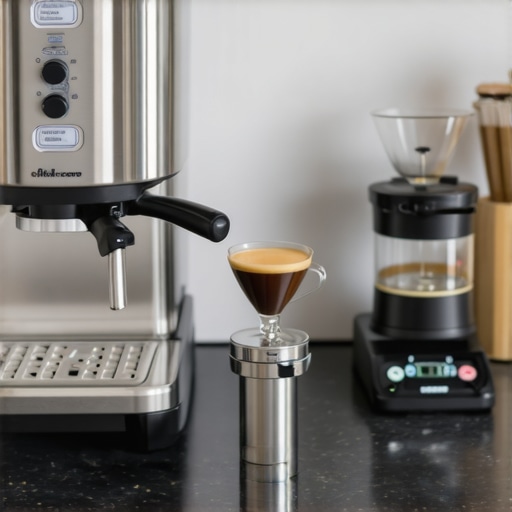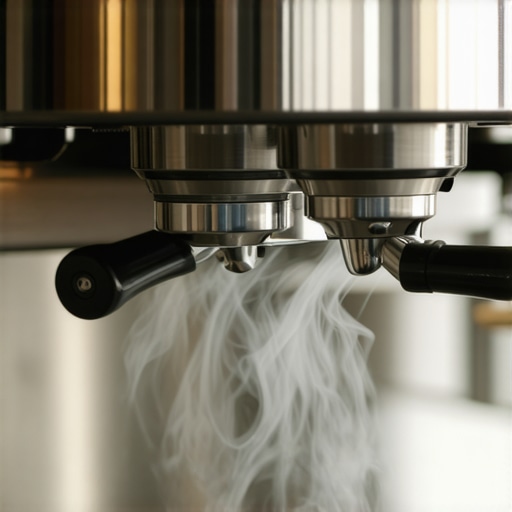
Imagine this: you’re all set for that perfect morning espresso. The machine hums, the beans are freshly ground, and you’re eagerly pressing the button. But then, instead of that rich, aromatic shot you envisioned, you get a lukewarm, lackluster brew. Frustrating, right? I used to think it was just bad luck or poor technique, until I finally realized the culprit was something surprisingly simple: my portafilter was cold.
When Cold Portafilters Ruin Your Espresso Experience
It might sound trivial, but a cold portafilter can sap heat from your espresso, leading to a flat flavor and weak crema. That tiny metal piece held more influence over my shot than I ever expected. After all, why bother with fancy beans and top-notch grinders if a cold portafilter undermines everything? Research even notes that maintaining proper temperature stability is crucial for extracting optimal flavors (source). So, if your shots are coming out underwhelming or inconsistent, the temperature of your portafilter might be the unseen villain.
Now, here’s the kicker: I made a mistake early on by ignoring my portafilter’s temperature. Instead of warming it, I would rinse and dry, thinking that was enough. Turns out, that simple oversight was robbing my espresso of its potential. Trust me, I’ve been there, and I want to help you avoid this rookie error.
But why does this happen, and what can you do about it? That’s what we’ll uncover today. Ready to turn your mediocre shots into barista-quality espresso? Let’s jump into three effective hacks that will ensure your portafilter stays warm and your coffee tastes divine.
Preheat Your Portafilter Effectively
Start by rinsing your portafilter with hot water before brewing. I remember one morning when I simply soaked the portafilter in hot water for 30 seconds, then dried it thoroughly—I instantly noticed my shots became more consistent and flavorful. The hot rinse heats the metal, ensuring it doesn’t absorb heat from the freshly roasted beans during extraction. Make this step a routine to keep your portafilter warm.
Use a Dedicated Portafilter Warmer or Heat Lamp
Position a small heat lamp above your portafilter or invest in a dedicated warmer. I set up a simple camping stove burner with a heat-safe surface beneath the portafilter—keeping it warm during my prep. This method maintains a steady temperature throughout your session, preventing heat loss. For convenience, a commercial portafilter warmer is affordable and efficient—consider integrating it into your setup for optimal results.
Manage Your Workflow for Consistent Temperature
Work swiftly after heating the portafilter. The metal cools rapidly once exposed to room temperature, so plan your grind, tamp, and extraction steps close together. I learned this the hard way when I paused between steps, and my shots suffered from temperature dip. By timing each step precisely and minimizing delays, you lock in that heat, which translates to richer crema and full-bodied flavor.
Optimize Your Espresso Machine Settings
Adjust your machine’s temperature settings if possible. Modern super automatic machines allow fine-tuning—set it slightly higher to compensate for portafilter heat loss. Regular calibration ensures consistent temperature delivery—check your machine’s manual or contact the manufacturer for best practices. Proper calibration aligns with maintaining optimal extraction temperature, critical for flavor extraction (source).
Insulate Your Portafilter Between Shots
Wrap it with a towel or use a custom insulator. I once used a silicone sleeve designed for hot liquids, which retained heat throughout my espresso session. Insulation slows heat dissipation, especially if you’re taking multiple shots. Just ensure the insulator doesn’t interfere with the tamping or extraction process. This simple hack keeps your portafilter warm longer, maintaining consistent temperature and flavor.
Keep Your Equipment in Top Shape
Regularly descale and clean your machine to prevent temperature fluctuations from mineral buildup. I found that a well-maintained machine delivers more stable heat, giving me better control over extraction. Clean components, especially heating elements, contribute to uniform temperature—check out this guide on grinder maintenance for more tips.
Many enthusiasts believe that selecting the most expensive super automatic espresso machine guarantees perfect results every time. However, in my experience, this misconception can lead to overlooking critical nuances that truly impact coffee quality. For example, optimizing your grinder settings—highlighted in this guide on espresso grinder essentials—can sometimes make more difference than the machine’s price tag. A frequent error is assuming that the automatic milk frother will do all the work for latte art; in reality, mastering automatic milk frothers requires skill, vigilance, and proper technique. Many users fall into the trap of neglecting regular maintenance, unaware that mineral buildup can cause inconsistencies in temperature and pressure, undermining even the most sophisticated machine. For instance, a common myth is that bean freshness isn’t critical for super automatics; yet, latest research shows that fresh beans dramatically enhance flavor extraction. Also, advanced users beware: some believe that increasing the brewing temperature always results in bolder taste, but over-temperature can scorch the coffee, causing bitterness. Proper calibration, as discussed in this deeply detailed guide to calibration, is essential. If you’re aiming for the perfect shot, avoid these common myths and pay attention to the nuanced details that make a real difference. Remember, even the most high-end machines can’t compensate for technique and maintenance lapses. Have you ever fallen into this trap? Let me know in the comments.
Keeping Your Equipment in Peak Condition
Ensuring your espresso machine, grinder, and accessories are well-maintained is the foundation for consistently amazing shots. I swear by regularly cleaning and descaling my super automatic espresso machine to prevent mineral buildup that can impair temperature stability and pressure. For meticulous maintenance, I recommend investing in a high-quality cleaning kit for your grinder—it helps remove old coffee residues that clog burrs and affect grind consistency.
Similarly, maintaining your grinder’s burrs is crucial. I prefer ceramic burrs because they stay sharp longer and generate less heat during grinding, which preserves delicate bean oils. Check out this guide on ceramic versus steel burrs that explains their benefits in detail.
Tools I Trust for Long-Term Success
To keep my setup performing flawlessly, I rely on digital calibration tools that ensure the grinder’s settings are spot-on for different beans, especially when switching roast profiles. A digital scale with a built-in timer also helps me perfect dosing and tamping consistency. Over time, these small adjustments add up to significantly better extractions and more crema.
Installing a water filter is another underestimated method. I use a dedicated filter to prevent mineral deposits and optimize water temperature. Regularly replacing the filter cartridge, as outlined in this resource, extends your machine’s lifespan and guarantees purity in your shots.
The Future of Maintenance and Tech Integration
Technology is rapidly advancing, and I predict that AI-powered diagnostic tools will soon become standard, alerting us to issues before they cause noticeable problems. Some brands are already testing smart sensors that monitor temperature fluctuations and pressure anomalies in real-time, making preventive maintenance easier than ever. Staying ahead with software updates and calibration routines will be essential for maintaining perfect performance, especially if you’re scaling your home setup into a small cafe.
How do I keep my espresso gear performing over time?
The key is consistency. Regularly scheduled deep-cleaning, using recommended tools like precision calibration scales, and replacing consumables like filters and burrs on time ensures your equipment doesn’t just work—it thrives. Don’t forget to document your maintenance routines; this helps spot patterns and prevents costly breakdowns later. For a detailed approach, consider consulting the experts’ maintenance tips.
Ready to boost your setup? Try calibrating your grinder using a digital scale this week. Precise dosing combined with regular burr maintenance will immediately elevate your espresso quality. Remember, good tools make good coffee—invest wisely and stay consistent!
Lessons Life Taught Me About Perfecting My Espresso Game
- Patience is key—rushing through heating and preparation can sabotage even the best beans. Taking that extra minute to preheat the portafilter and work swiftly keeps the temperature stable for optimal extraction.
- Investing in quality tools matters more than the latest high-end machine. A good grinder and proper maintenance often trump expensive equipment if neglected. I learned that consistency in dosing and tamping makes all the difference.
- Small tweaks lead to big results—adjusting machine temps, insulating the portafilter, or calibrating grinders can elevate your coffee experience from good to incredible.
- Routine maintenance isn’t just a chore—it’s a ritual that preserves flavor and machine longevity. Regular descaling, burr cleaning, and filter replacements kept my shots rich and stable.
My Top Picks for Espresso Excellence
- Precision Calibration Tools: Using digital scales with timers ensures consistent dosing, directly impacting flavor. It’s my secret weapon for barista-level shots at home.
- High-Quality Water Filters: Clean, mineral-balanced water prevents scaling and temperature fluctuations—saving money and hassle in the long run.
- Guide to Grinder Maintenance: Regularly checking and replacing burrs—especially ceramic ones—keeps grind consistent and preserves delicate flavors. For detailed tips, check out this resource.
- Automatic Milk Frothers: Mastering the tricks to prevent curdling or scorching, like using proper temperature and milk types, leads to smoother, creamier lattes. For advanced techniques, see this guide.
Your Next Espresso Break Could Be Your Best Yet
“Your journey to exceptional espresso is a blend of science, skill, and passion. With some insider knowledge and dedication, you’ll transform everyday brewing into a daily celebration of coffee artistry. Remember, every small adjustment brings you closer to that perfect shot—so don’t hesitate to experiment and enjoy the process.” Have you ever struggled with maintaining a consistent portafilter temperature? Share your experiences below—I’d love to hear your stories and tips!